Proline method: Breakthrough in the synthesis of complex drugs
Chemists at the Hebrew University of Jerusalem have achieved a breakthrough in the synthesis of complex drugs. They have developed a simple and mild method with which the coveted dichloromethyl group can be attached to sensitive molecular scaffolds in a targeted manner. Until now, such reactions required aggressive conditions with heavy metals or radiation, which often destroyed the target compounds. The results have now been published in the journal Nature Communications.
The team led by Dmitry Tsvelikhovsky uses the natural amino acid proline as a catalyst. Proline temporarily binds to α-enaminone and forms it into a precise three-dimensional arrangement that enables electrophilic attachment of dichloromethyl groups under mild, metal-free conditions. The reaction takes place without radicals or carbenes and specifically exploits the electronic ambivalence of the molecules.
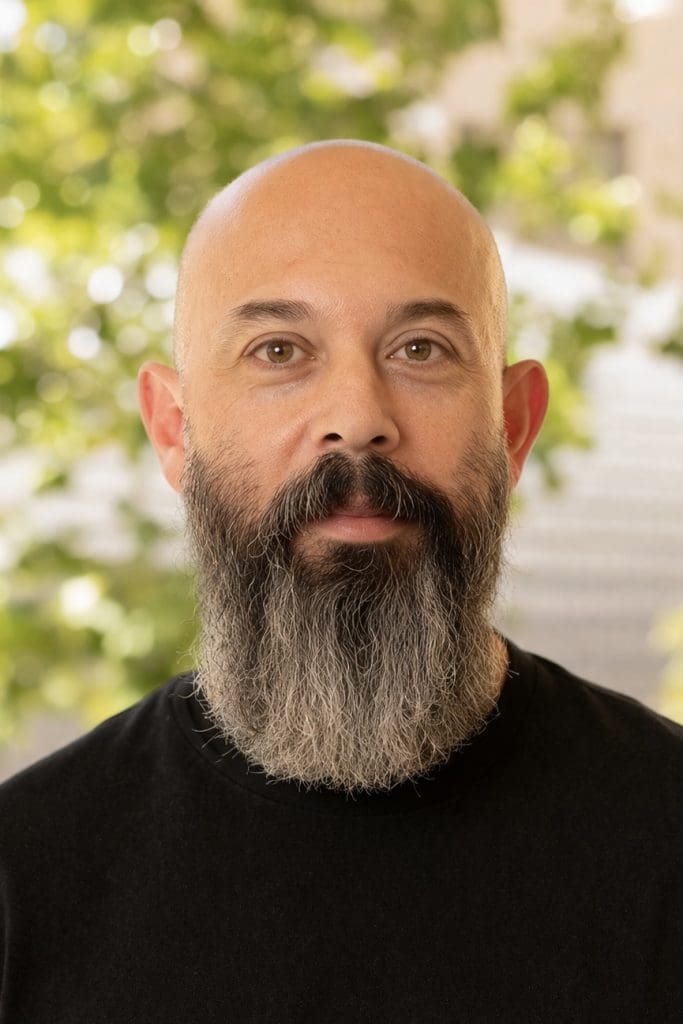
A key feature is the built-in stereochemically controlled self-correction mechanism. Only the right spatial configuration leads to the desired product, while deviating variants remain inactive and regress during refurbishment. This results in a high-purity and diastereoselective result without time-consuming cleaning steps.
The new platform has already been successfully applied to scaffolds used for the synthesis of antibiotics, natural products and neuroactive compounds. The researchers see it as a universal tool that could significantly simplify the development of new drugs and make previously impossible molecular architectures accessible.
Original paper:
Editor: X-Press Journalistenbüro GbR
Gender Notice. The personal designations used in this text always refer equally to female, male and diverse persons. Double/triple naming and gendered designations are used for better readability. ected.
Most read
 Hantavirus: detection, symptoms, therapy What is hantavirus? Hantaviruses are a group of viruses that occur worldwide and are mainly transmit...
- Hantavirus: Facts instead of panic Reports of three deaths in connection with a hantavirus outbreak on the cruise ship "MV Hondius" in...
- German Medical Association calls for ban on medical diagnostics in drugstores The 130th German Medical Congress 2026 calls on legislators to prevent medical diagnostics in drugst...