
New blood markers link cardiac fibrosis, pumping function and prognosis in severe aortic valve stenosis
Researchers at the University Hospital Göttingen have identified serum biomarkers that directly link myocardial fibrosis, impaired systolic heart function and cardiovascular mortality after transcatheter aortic valve implantation (TAVR) in patients with severe aortic valve stenosis. The results have been published as a research letter in the journal Cardiovascular Research.
The team led by Svante Gersch and Moritz Schnelle analyzed 184 different serum proteins in 169 patients using Olink technology before the procedure. In 100 patients, a histological determination of myocardial fibrosis was also available from myocardial biopsies. Several markers showed significant associations with the extent of fibrosis. The fibrosis itself correlated inversely with the left ventricular ejection fraction.
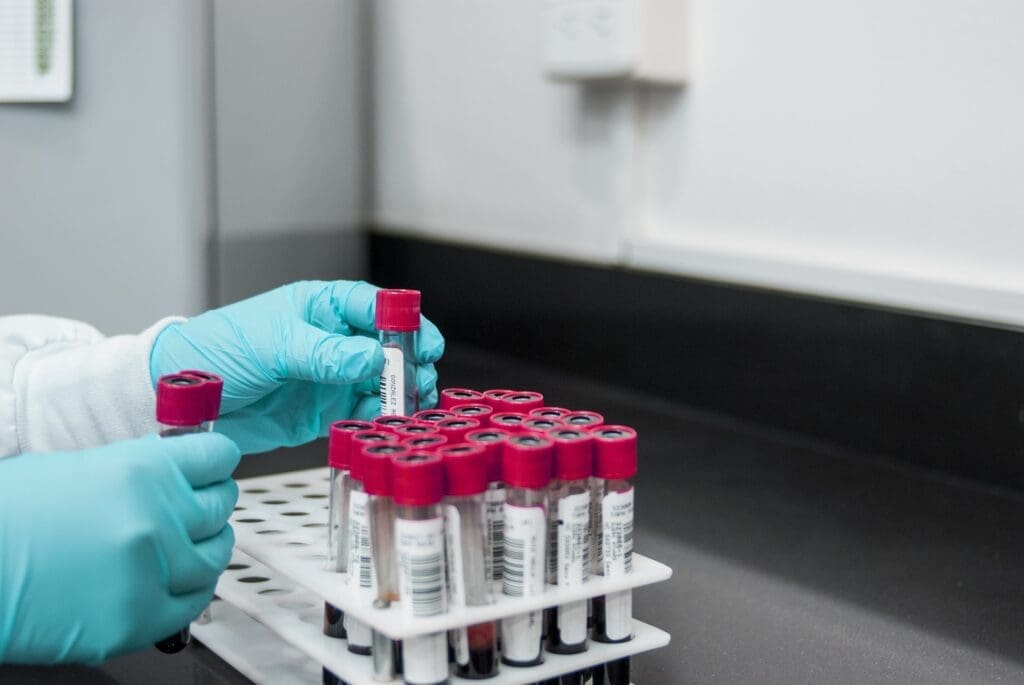
Elevated levels of BNP, NT-proBNP, growth hormone (GH) and fibroblast growth factor 23 (FGF23) as well as decreased levels of stem cell factor (SCF) were simultaneously associated with stronger fibrosis, reduced pumping function and higher cardiovascular mortality after TAVR. This is the first study to describe serum biomarkers that link structural heart changes, functional limitations and clinical endpoints in severe aortic stenosis in this way.
The authors emphasize the exploratory nature of the work and call for validation in larger prospective cohorts. In the future, such markers could improve risk stratification before TAVR and contribute to more precise patient selection.
Original paper:
Editor: X-Press Journalistenbüro GbR
Gender Notice. The personal designations used in this text always refer equally to female, male and diverse persons. Double/triple naming and gendered designations are used for better readability. ected.
Most read
 DGKL board member Jan Wolter calls for comprehensive health tax instead of pure sugar tax Jan Wolter, chairman of the German Society for Clinical Chemistry and Laboratory Medicine (DGKL), ha...
- ASKED: “The new GOÄ is a far greater danger than some people realize” The new fee schedule for doctors (GOÄ) provides for significant cuts for laboratory medicine. DGKL b...
- Psychotherapists demonstrate in Frankfurt against fee cuts On April 11, 2026, the association unith e.V. will participate for the first time as a co-organizer...