Dietary supplements often unnecessary and risky
Many people turn to dietary supplements, although they often do not need them at all. Professor Mona Tawab warned against untenable advertising promises and misjudgements at the pharmacon Merano training congress . The scientific director of the Central Laboratory of German Pharmacists (ZL) in Eschborn criticized that the market for dietary supplements is often difficult to understand and that many consumers fall for false promises.
Around half of German citizens wrongly assume that food supplements are comparable to medicines and are tested for efficacy and safety. Tawab emphasized that exaggerated promises are often spread on social media, study results are distorted or facts are invented. Pharmacies should therefore strengthen the health literacy of consumers through competent and patient-specific advice.
A clear warning signal for dubious products are advertising claims that deviate from the officially approved health claims. Disease-related advertising for food supplements is prohibited by law and pharmacies are not allowed to sell such products. Nevertheless, many consumers bought these products on the Internet.
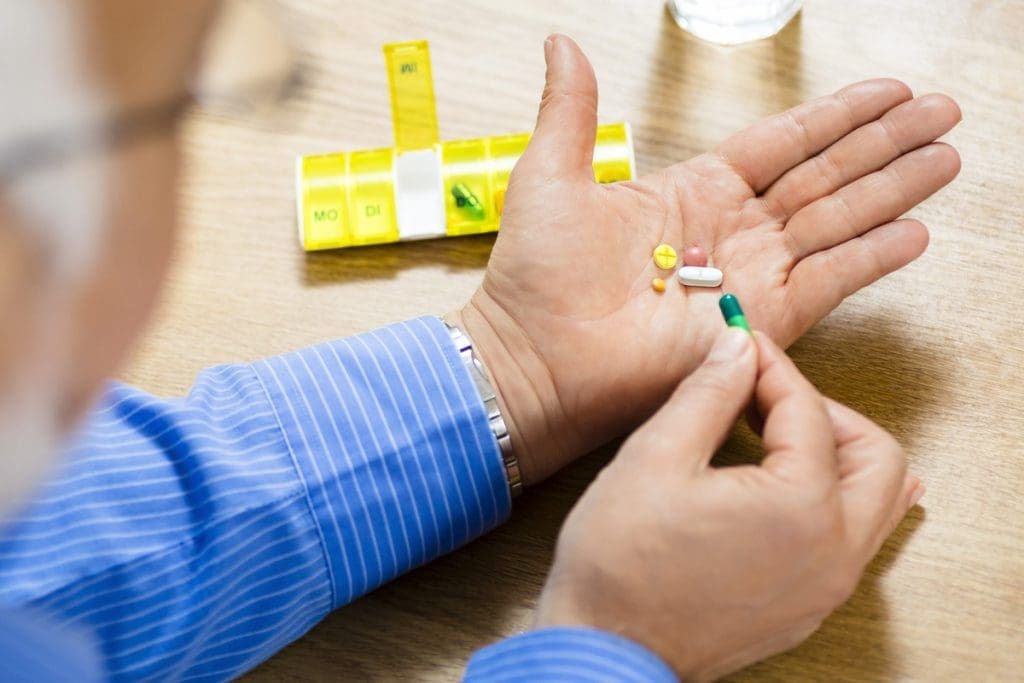
High-dose dietary supplements could not only be expensive, but also cause damage to health or impair the effect of drugs, Tawab warned. In the case of vitamins and minerals, she recommended taking them only after measuring the individual blood values in order to determine an actual deficiency. More and more pharmacies are offering such tests. The Central Laboratory of German Pharmacists is currently working on the evaluation of corresponding measuring devices for the pharmacy sector.
Editor: X-Press Journalistenbüro GbR
Gender Notice. The personal designations used in this text always refer equally to female, male and diverse persons. Double/triple naming and gendered designations are used for better readability ected.
Most read
 Hantavirus: Facts instead of panic Reports of three deaths in connection with a hantavirus outbreak on the cruise ship "MV Hondius" in...
- German Medical Association calls for ban on medical diagnostics in drugstores The 130th German Medical Congress 2026 calls on legislators to prevent medical diagnostics in drugst...
- Expert Tip for Preanalytics of Glucose Determination The pre-analysis of glucose determination is a science in itself, even for experienced doctors. MedL...