
Organ Donation Day: Liver Foundation promotes more donor organs
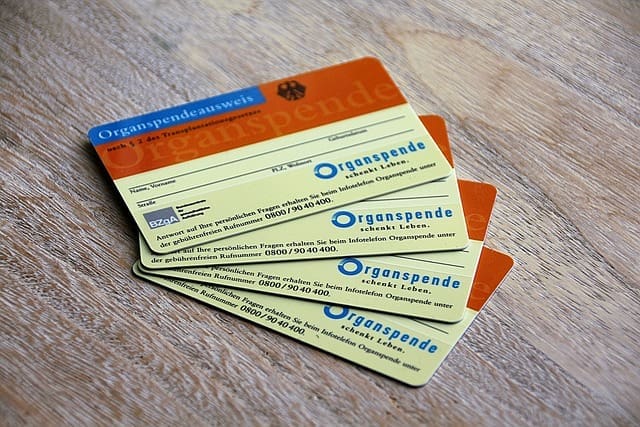
Under the motto “Right. Important. Vital.”, Organ Donation Day will take place on the first weekend in June. The central event will be held on 6 and 7 June in Leipzig at the same time as the city festival. The focus is on information on organ donation as well as campaigns such as “Gifted years of life”. The German Liver Foundation is using the occasion to draw attention to the life-saving importance of donations for patients with severe liver diseases.
In 2025, the number of organ donations in Germany will have reached its highest level since 2012. Nevertheless, the need remains high. Nationwide, 823 livers were transplanted – the second most common organ donated postmortem after kidneys. Hundreds of patients are still waiting for a life-saving liver transplant, many of them in life-threatening conditions. People are still dying because no suitable donor organ is available in time.
Gerd Böckmann, Chairman of the Association of Liver Transplanted Patients in Germany and Deputy Chairman of the Board of Trustees of the German Liver Foundation, received a donor liver himself in 2015. Since then, the pharmacist has been volunteering to educate and support those affected. A liver transplant means a serious incision in life. For many patients and relatives, the exchange with people who have already coped with this situation is particularly helpful, Böckmann explained.
At Organ Donation Day, the association will be represented with an information stand. One highlight is the “Gifted Years of Life” campaign, in which organ recipients make the years gained through transplantation visible. Böckmann pointed out that older people can also donate organs – the oldest donor in Germany was 98 years old.
Prof. Dr. Heiner Wedemeyer, Chairman of the Board of the German Liver Foundation, called for a broad social discussion about the opt-out solution.
More information for doctors.
Editor: X-Press Journalistenbüro GbR
Gender Notice. The personal designations used in this text always refer equally to female, male and diverse persons. Double/triple naming and gendered designations are used for better readability ected.
Most read
 Hantavirus: Facts instead of panic Reports of three deaths in connection with a hantavirus outbreak on the cruise ship "MV Hondius" in...
- German Medical Association calls for ban on medical diagnostics in drugstores The 130th German Medical Congress 2026 calls on legislators to prevent medical diagnostics in drugst...
- Expert Tip for Preanalytics of Glucose Determination The pre-analysis of glucose determination is a science in itself, even for experienced doctors. MedL...