
cFLIP discovered as a new target against therapy-resistant lymphomas
Researchers at the University of Cologne have identified a new molecular target for the treatment of diffuse large B-cell lymphoma (DLBCL). The protein cFLIP plays a central role in defending against programmed cell death in these cancer cells. The study was conducted under the direction of Dr. Alessandro Annibaldi at the Center for Molecular Medicine Cologne (CMMC) and published in the journal Blood .
The team showed that DLBCL cells – especially the aggressive ABC subtype – strongly overproduce cFLIP in addition to BCL2. As a result, they block both the intrinsic and extrinsic apoptosis pathways and become resistant to conventional therapies. Frontline immunochemotherapy with rituximab cures about 60 percent of patients, but about half suffer relapses or do not respond to treatment.
By specifically inhibiting cFLIP, the Cologne scientists were able to lift the apoptosis blockade and reactivate cell death in the lymphoma cells. In preclinical models, this prevented tumor development. Doctoral student Kristie Bariboloka, who led the experimental work, emphasized the clinical relevance of this approach.
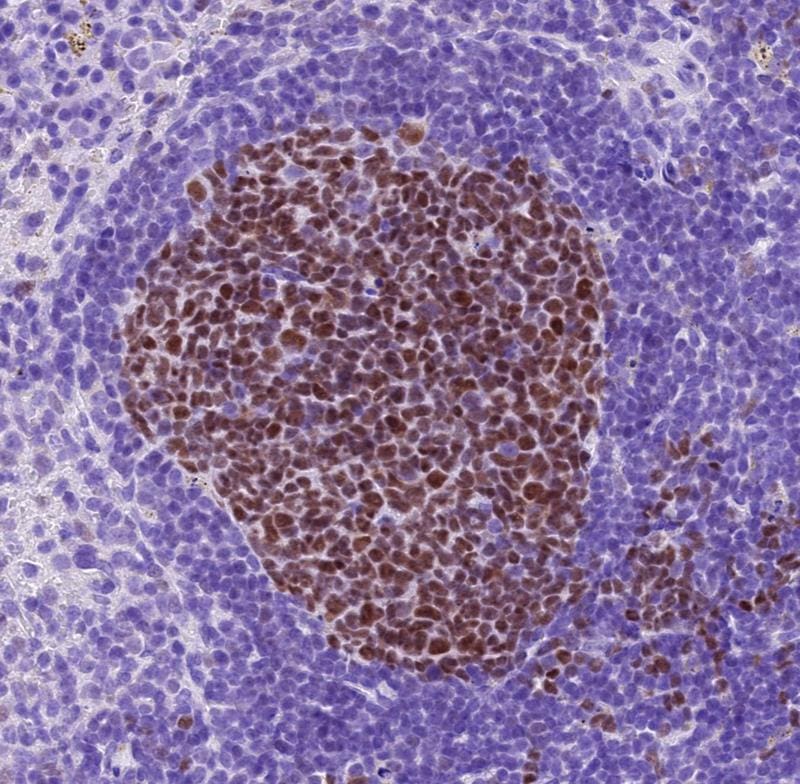
The results lay the foundation for the development of cFLIP-specific inhibitors that could be used alone or in combination with existing drugs – regardless of further mutations in the tumor cells. The researchers see this as a promising option for patients who do not respond to standard therapies.
The work was carried out as part of the Collaborative Research Centre 1530 “Elucidation and Targeting of Pathogenic Mechanisms in B-Cell Neoplasms”, funded by the German Research Foundation (DFG).
Original Paper:
Expression of cFLIP in B cells is essential for diffuse large B-cell lymphoma pathogenesis – PubMed
Editor: X-Press Journalistenbüro GbR
Gender Notice. The personal designations used in this text always refer equally to female, male and diverse persons. Double/triple naming and gendered designations are used for better readability. ected.
Most read
 Wal Timmy: Environment Minister Backhaus ignored rescue technology that has been in place since 1983 The stranded humpback whale "Timmy" suffered severely for days in Mecklenburg-Western Pomerania beca...
- Wal Timmy: Germany’s problem with euthanasia EDITORIAL. Letting Timmy suffer is more due to the German lack of experience and the bureaucratic hu...
- Impending fuel shortage: “If the laboratory fails, medical care will come to a standstill in large parts” DGKL CEO Jan Wolter explains the dramatic consequences of a potential fuel shortage for laboratory m...