
Calcium sensor revolutionizes nerve cell imaging
A newly developed calcium sensor enables much more precise and gentle observation of neuronal activity. The method significantly improves real-time imaging of nerve cells and opens up new possibilities in basic neuroscientific research and for the development of therapies for neurological diseases.
Calcium ions play a central role in signal transmission between nerve cells. However, previous sensors often provided only limited temporal or spatial resolution or caused phototoxic damage during prolonged measurements. The new sensor overcomes these limitations by offering higher sensitivity and faster response time while reducing light exposure.
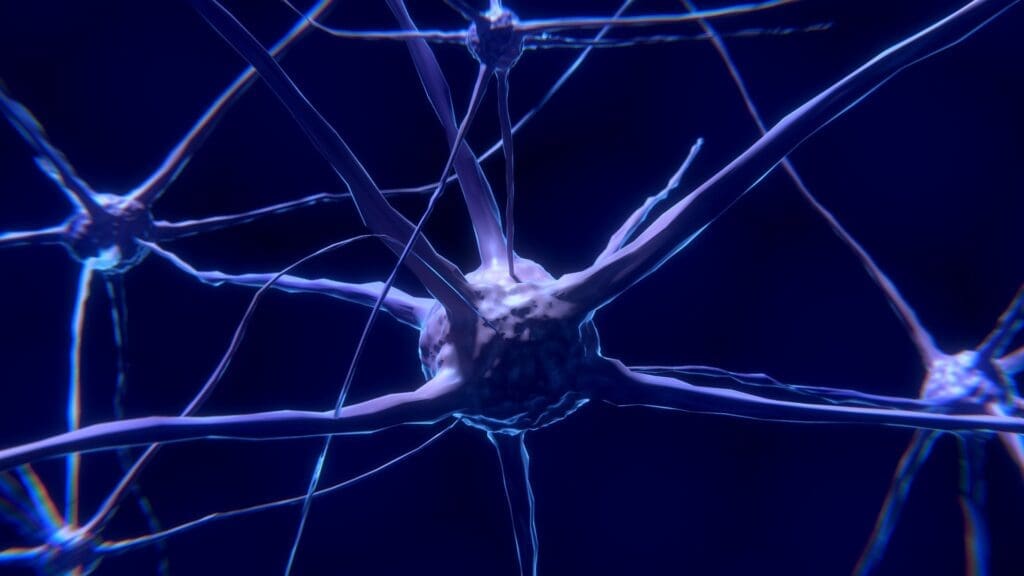
The improved technology enables researchers to observe complex neuronal networks in living tissues and even in the intact brain with unprecedented accuracy. This is particularly relevant for the study of learning and memory processes, neurological diseases such as Alzheimer’s or epilepsy, and for the optimization of optogenetic procedures.
The development of the calcium sensor is considered an important advance for non-invasive research into the brain and could also be used in clinical diagnostics and personalized medicine in the future.
Original Paper:
PinkyCaMP: an mScarlet-based calcium sensor with enhanced brightness, photostability and multiplexing capabilities | Nature Methods
Editor: X-Press Journalistenbüro GbR
Gender Notice. The personal designations used in this text always refer equally to female, male and diverse persons. Double/triple naming and gendered designations are used for better readability. ected.
Most read
 Wal Timmy: Environment Minister Backhaus ignored rescue technology that has been in place since 1983 The stranded humpback whale "Timmy" suffered severely for days in Mecklenburg-Western Pomerania beca...
- Wal Timmy: Germany’s problem with euthanasia EDITORIAL. Letting Timmy suffer is more due to the German lack of experience and the bureaucratic hu...
- Impending fuel shortage: “If the laboratory fails, medical care will come to a standstill in large parts” DGKL CEO Jan Wolter explains the dramatic consequences of a potential fuel shortage for laboratory m...