New PET tracer makes alpha-synuclein deposits in the living brain visible
A research team from the University Hospital Tübingen has developed a new PET tracer in collaboration with the Max Planck Institute for Multidisciplinary Sciences and the biotechnology company MODAG. This can make pathological deposits of the protein alpha-synuclein visible in the brains of living patients.
Alpha-synuclein deposits play a central role in neurodegenerative diseases such as Parkinson’s disease, multisystem atrophy and certain forms of dementia. Until now, these deposits could usually only be reliably detected after the death of the patient. The new tracer, called [¹¹C]MODAG-005, now enables a non-invasive imaging of these pathological changes in the living brain.
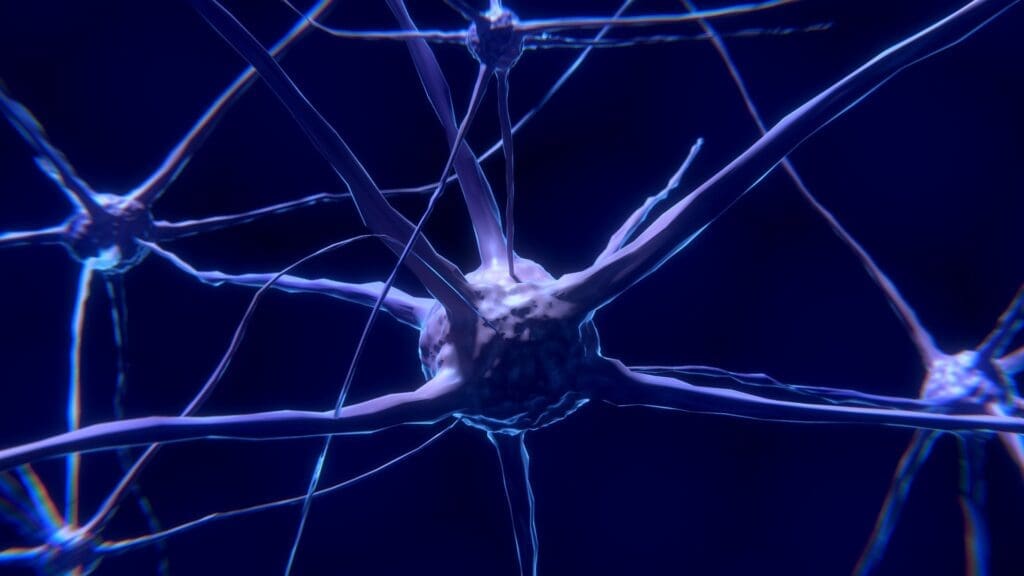
The study, published in the journal Science Translational Medicine , shows initial results in patients. The researchers were able to identify characteristic patterns of deposits that are consistent with neuropathological expectations. This could enable earlier and more accurate diagnosis in the future.
Prof. Dr. Kristina Herfert from the Werner Siemens Imaging Center at the University Hospital Tübingen explained that the procedure opens up new possibilities for earlier diagnosis and the evaluation of therapies. Prof. Dr. Armin Giese, Chief Scientific Officer of MODAG, emphasized that the tracer makes it possible for the first time to check whether new drugs actually arrive at their target protein.
The development of the tracer is based on around 30 years of basic research into the entry mechanisms of hepatitis viruses, which was later transferred to alpha-synuclein. The work is considered an example of successful translational research from basic science to clinical application.
In the long term, the new imaging technology could contribute to a better understanding of disease progression, to develop therapies in a more targeted manner and to tailor treatments more individually to patients. The researchers see this as an important step towards more precise diagnosis and treatment of neurodegenerative diseases.
Original Paper:
Editor: X-Press Journalistenbüro GbR
Gender Notice. The personal designations used in this text always refer equally to female, male and diverse persons. Double/triple naming and gendered designations are used for better readability ected.
Most read
 Hantavirus: detection, symptoms, therapy What is hantavirus? Hantaviruses are a group of viruses that occur worldwide and are mainly transmit...
- Hantavirus: Facts instead of panic Reports of three deaths in connection with a hantavirus outbreak on the cruise ship "MV Hondius" in...
- Hantavirus: Experts at the University Medical Center Essen see low risk for the general population After several hantavirus infections and deaths occurred on the cruise ship "Hondius", a contact pers...