New insights into molecular machines through biophysical methods
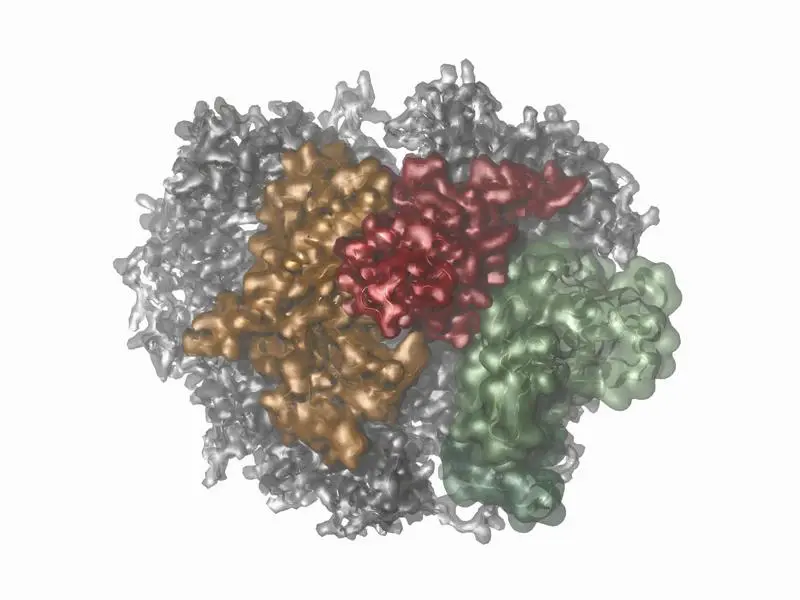
Researchers at the University of Regensburg have gained groundbreaking insights into the movements of the RNA-exosome complex, a molecular machine responsible for the degradation of RNA in cells. By combining cryo-electron microscopy, nuclear magnetic resonance...
Second EU funding for gene therapy for Usher syndrome
A research team led by Professor Dr. Dr. Axel Schambach from the Hannover Medical School (MHH) has once again received significant funding from the European Research Council (ERC). The Proof of Concept Grant supports the EuroVision project, which is developing a novel...
Preview: Congress “Molecular Analysis for Precision Oncology” (MAP) 2025
The Molecular Analysis for Precision Oncology Congress 2025 (MAP) will bring together leading experts to explore the latest advances in cancer research, with a focus on deepening the understanding of disease mechanisms and improving prevention and response strategies....
Bundling of RACOON and SPP2177 revolutionizes AI-supported radiology
The Germany-wide RACOON network and the Priority Programme SPP2177 are joining forces to accelerate and refine the evaluation of radiological image data by artificial intelligence (AI). The aim is to decisively improve diagnostics and therapy through novel,...

New AI-powered ransomware “PromptLock” alarms security experts
Security experts from the IT security company ESET have discovered a new type of malware called PromptLock, which is the first ransomware to use artificial intelligence (AI) in a targeted manner. The malware uses a locally installed AI language model to automatically...
Biomarkers for the effect of psychotherapy on brain structure identified
A groundbreaking study by Martin Luther University Halle-Wittenberg (MLU) and the University of Münster shows for the first time that cognitive behavioral therapy causes measurable changes in the brain structure of patients with depression. The results show that...
LMU study: Lower interleukin-6 activity reduces risk of cardiovascular disease
A new study by the Ludwig Maximilian University (LMU) Munich shows that reduced activity of the immune signal interleukin-6 (IL-6) can significantly reduce the risk of cardiovascular diseases such as coronary heart disease, stroke and peripheral artery disease without...
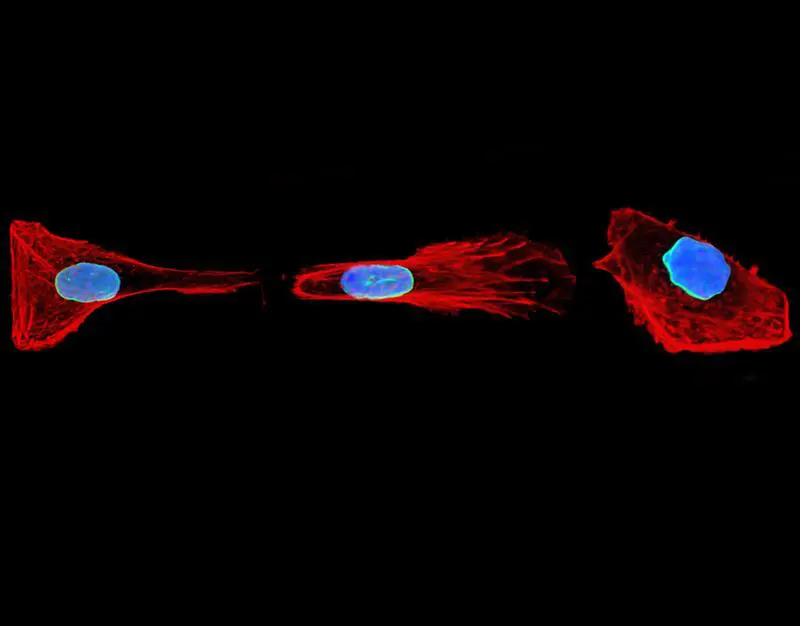
Cells with mechanical memory: New insights into cell movement
Researchers at the University of Basel and the University of Mons in Belgium have discovered that migrating cells have a mechanical memory that helps them move more efficiently through narrow tissue structures. This finding, published in the journal Nature Physics,...
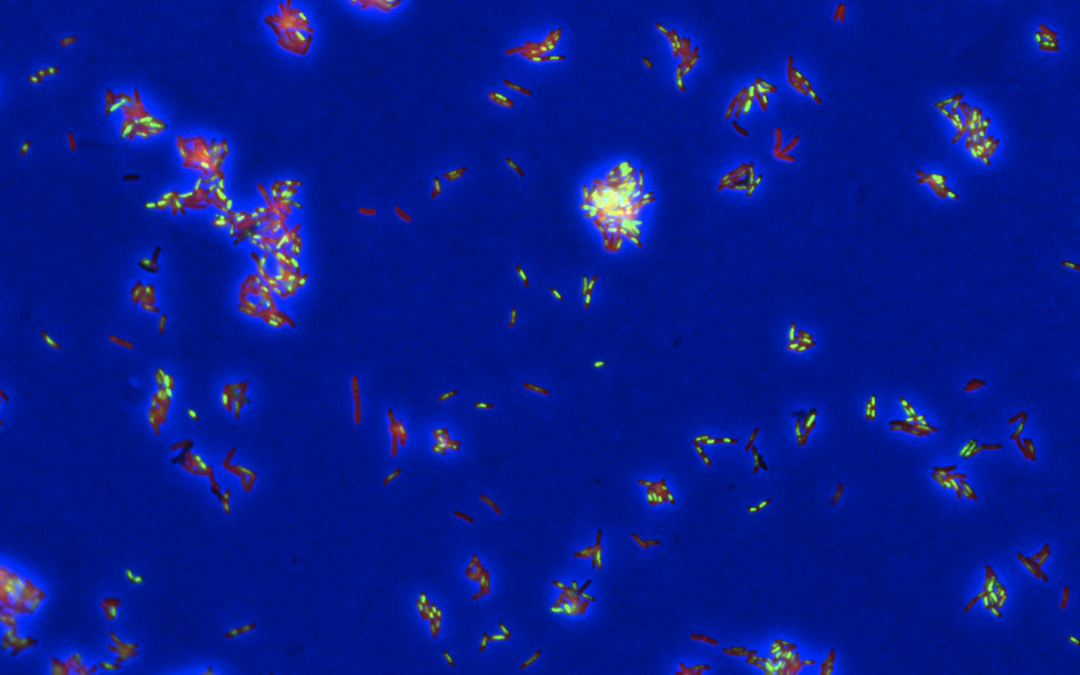
AI method DECIPHAER improves understanding of tuberculosis treatments
Researchers at Tufts University have developed a groundbreaking method to decipher the mode of action of tuberculosis drugs at the cellular level. The study uses artificial intelligence (AI) to analyze exactly how drugs kill tuberculosis bacteria. This could...
MPI Study: One Third of People Avoid Information on Serious Diseases
A review by the Max Planck Institute for Human Development in Berlin, published in the journal Annals of Behavioral Medicine, reveals that about a third of people consciously avoid information about serious illnesses, especially if they fear being affected themselves....