
Fraunhofer project develops rapid test against antibiotic resistance
A transatlantic research project of the Fraunhofer Institutes aims to combat the growing threat of antibiotic-resistant bacteria with an innovative rapid test system. The microfluidic system uses carbon nanotubes to detect bacterial resistance in a matter of minutes,...
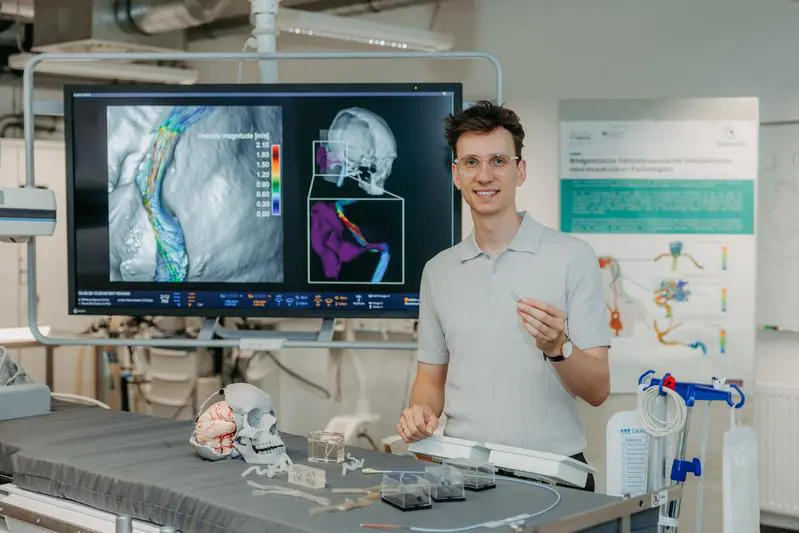
Otto von Guericke University: New Approaches to the Diagnosis and Treatment of Pulse-Synchronous Tinnitus
Medical engineers at the Otto von Guericke University Magdeburg have simulated the mechanism of pulse-synchronous tinnitus in patient-specific computer models for the first time. The study, conducted at the STIMULATE research campus under the direction of Janneck...

Leopoldina honours Kai Simons with Cothenius Medal for pioneering work in cell biology
The German National Academy of Sciences Leopoldina honors the Finnish biochemist Prof. Dr. Kai Simons with the Cothenius Medal for his outstanding scientific life's work. The award ceremony will take place on 25 September 2025 as part of the Leopoldina Annual Assembly...
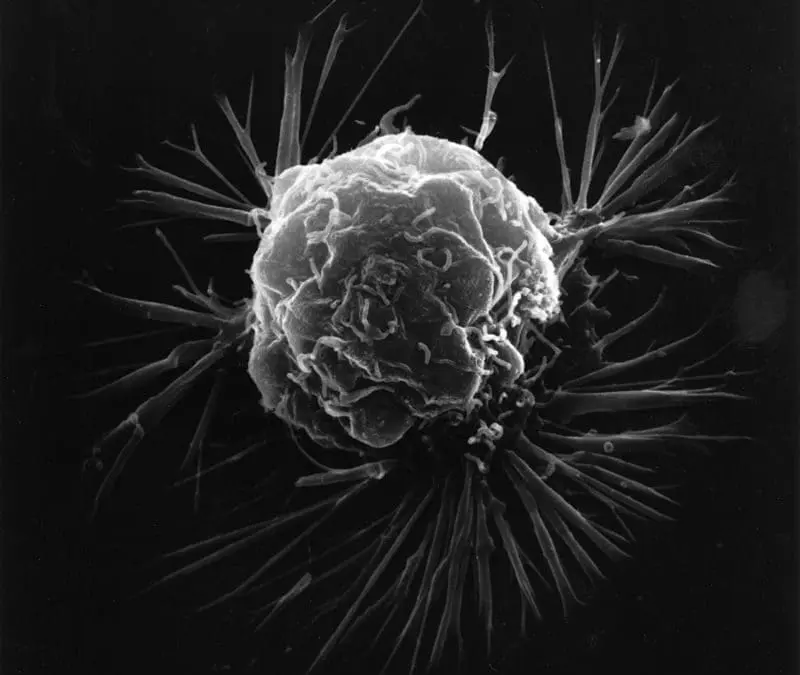
HSF2 mechanism discovered in breast cancer progression
A research team led by Professor Lea Sistonen at Åbo Akademi University in Finland has identified a new molecular mechanism that controls the progression of breast cancer. The results could improve the diagnosis and treatment of breast cancer. Breast cancer is caused...
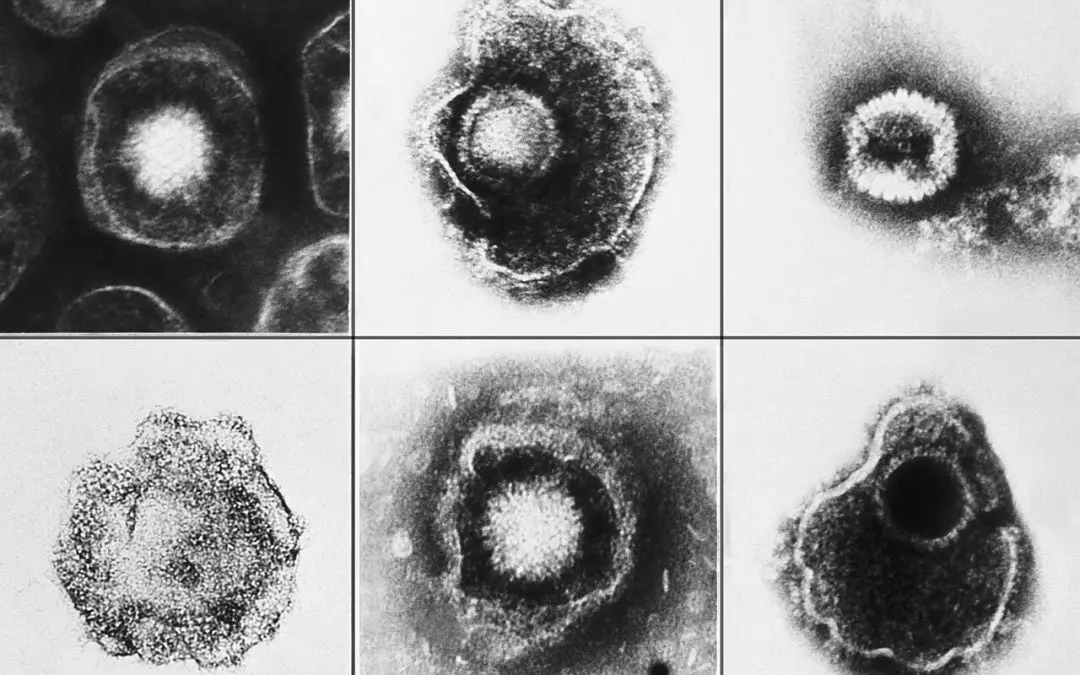
Hamburg and Göttingen researchers discover nanobody against herpes virus
Researchers at the Leibniz Institute of Virology (LIV), the University of Hamburg (UHH), the University Medical Center Hamburg-Eppendorf (UKE) and the Max Planck Institute for Multidisciplinary Sciences in Göttingen have developed a mini-antibody that can neutralize...
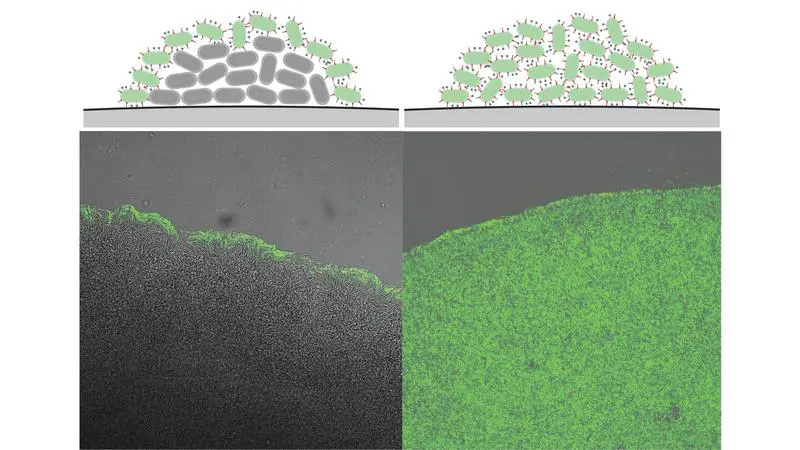
New insight into bacterial infections caused by Yersinia enterocolitica
Researchers of Karlsruhe Institute of Technology (KIT) and the Max Planck Institute Marburg have gained new insights into the infection mechanisms of the bacterium Yersinia enterocolitica, which is related to the plague pathogen. The study, published in the journal...
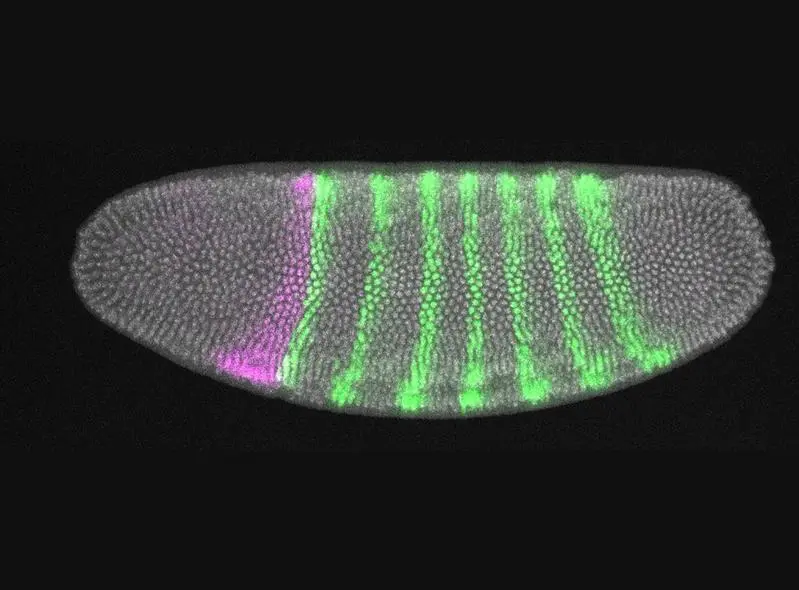
Embryos regulate mechanical stresses for stable development
A research team from the University of Hohenheim in Stuttgart and the RIKEN Center for Biosystems Dynamics Research in Kobe, Japan, has discovered how fly embryos control mechanical stress during development. This ability could be crucial for the evolutionary...

Cell Research: ATRI Method for the Analysis of Biological Condensates
Researchers from the Cluster of Excellence "Physics of Life" at the Technical University of Dresden, the Leibniz Institute for Polymer Research Dresden and the Max Planck Institute of Molecular Cell Biology and Genetics have developed an innovative method to precisely...
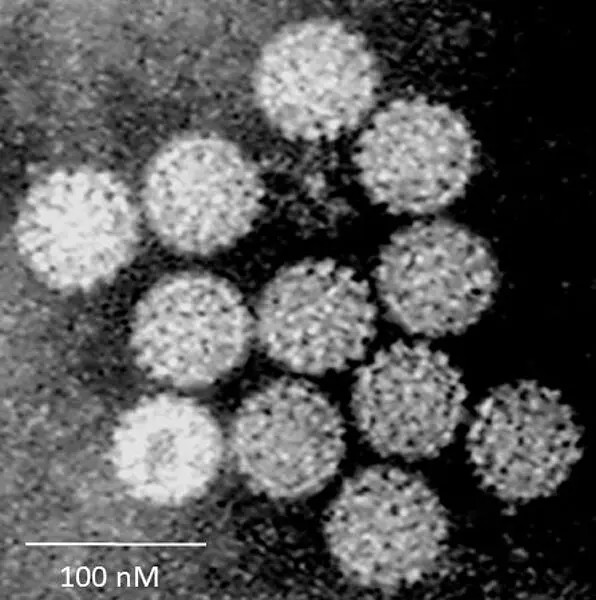
Nanoparticle vaccine activates immune system against HPV tumors
Researchers at the German Cancer Research Center (DKFZ) and the SILVACX project group at Heidelberg University have developed an innovative vaccination concept that can mobilize the immune system specifically against cancer cells. In a mouse model, the vaccine based...
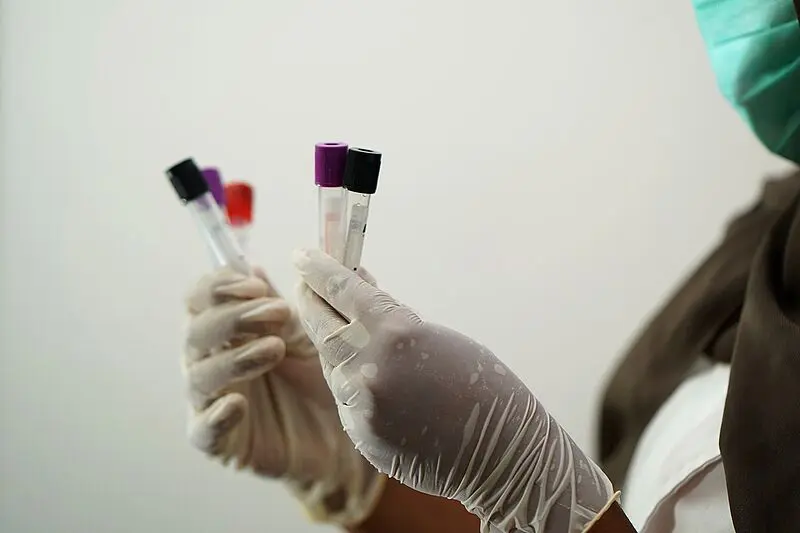
MFA in Baden-Württemberg: Hope in the fight against the shortage of skilled workers
With the start of the new training year, numerous young people in Baden-Württemberg are starting their training as medical assistants. In view of the growing shortage of skilled workers in the health care system, the Baden-Württemberg State Medical Association sees...