Brain processes colors similarly in all people
Researchers at the Max Planck Institute for Biological Cybernetics and the University of Tübingen have shown in a study that human brain activity shows comparable patterns in color vision. The findings, published in the Journal of Neuroscience, show that the visual...
Artificial intelligence in the focus of the Leopoldina Annual Assembly 2025 in Halle
The German National Academy of Sciences Leopoldina dedicates its Annual Meeting 2025 to 25. and 26 September in Halle (Saale). Under the title "Artificial Intelligence", the focus is on the rapid progress in this field and its impact on research, society and everyday...
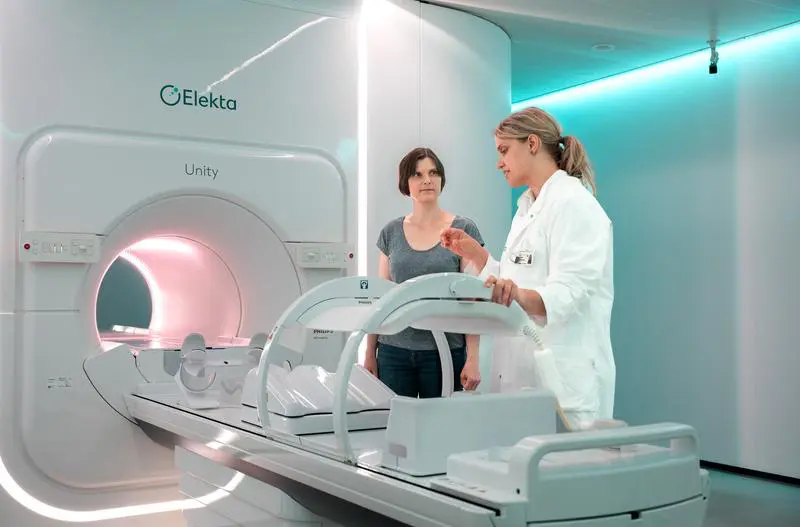
Personalized radiotherapy: MR-LINAC in Dresden with new gating function
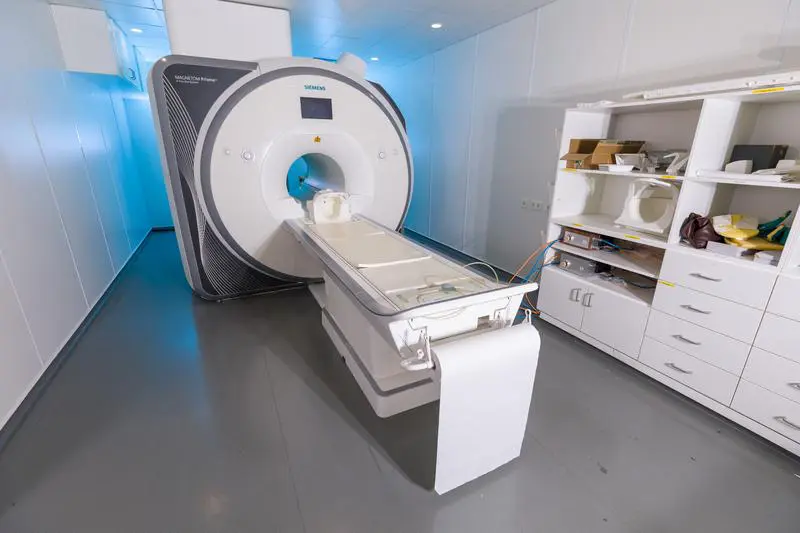
The University Medical Center Dresden has made significant progress in personalized radiation therapy. Elekta's MR-LINAC "Unity", which combines magnetic resonance imaging and radiotherapy, which has been in use since June 2022, has been equipped with gating...
New S3 guideline on lichen sclerosus: Early diagnosis and treatment are crucial
Lichen sclerosus (LS), a chronic, non-infectious skin disease, causes itching, pain, and scarring changes in the genital area. The disease, which affects women, men and children, significantly reduces the quality of life. A new S3 guideline, drawn up by the German...

Radioactive cesium in wild mushrooms: Moderate consumption harmless
Almost 40 years after the Chornobyl reactor accident in 1986, wild mushrooms in Germany still contain some radioactive cesium-137, which comes from the accident and earlier nuclear weapons tests. According to the Federal Office for Radiation Protection (BfS), however,...
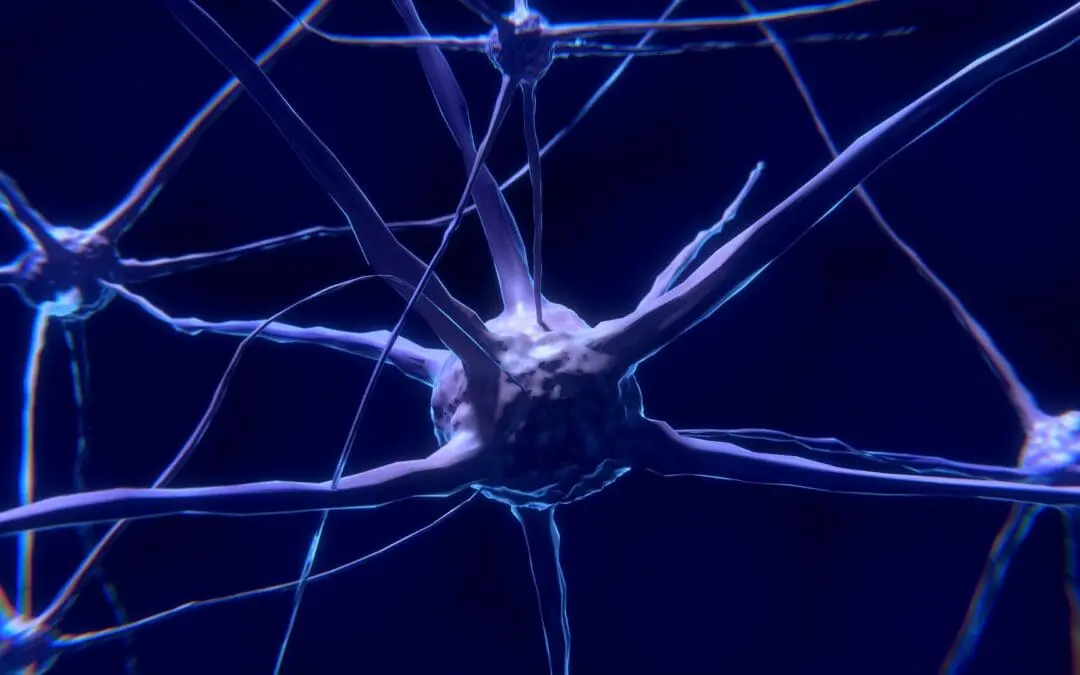
Progress in glioblastoma therapy: Temsirolimus shows success in multicenter study
Researchers from the Medical Faculty of Heidelberg, the German Cancer Research Center (DKFZ) and the National Center for Tumor Diseases (NCT) Heidelberg have investigated the efficacy of targeted drugs in newly diagnosed glioblastoma in the multicenter Phase 1/2 study...
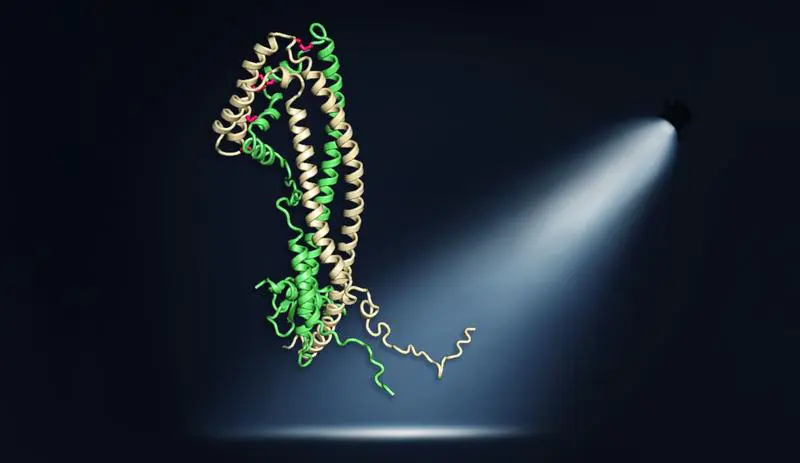
Breakthrough in Alzheimer’s research: Structure of clusterin deciphered
A research team from the Max Planck Institute of Biochemistry has elucidated the three-dimensional crystal structure of the human protein clusterin for the first time using X-ray crystallography. The study shows that clusterin consists of three domains, with two...
Broermann Medical Innovation Award 2026: Nomination phase started
The nomination phase for the Broermann Medical Innovation Award 2026 has begun. With an endowment of one million euros, the prize is one of the world's most important awards for medical research. Scientists worldwide who are pioneering in medicine, biotechnology or...
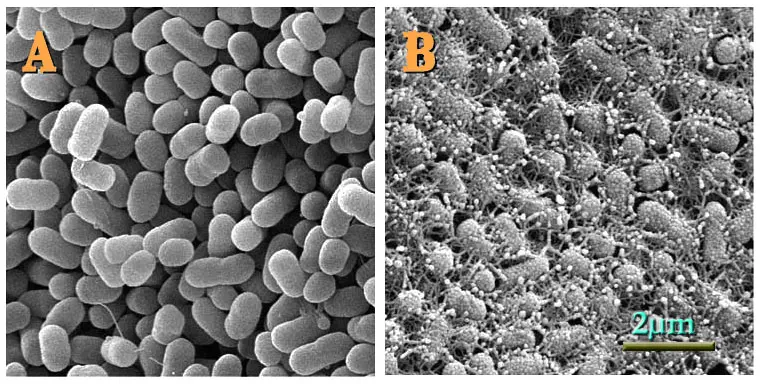
MedLab guide: How to protect your children from EHEC
Enterohaemorrhagic Escherichia coli (EHEC) are bacteria that can cause serious intestinal infections. Children in particular are at risk due to their still developing immune system. Infection usually occurs via contaminated food, water or direct contact with infected...
TUM develops micro-hollow bodies of mucus and polydopamine for drug release
Researchers at the Technical University of Munich (TUM) have developed a new system for drug release: micro-hollow bodies made of mucin and polydopamine. These enable a controlled release of active ingredients to hard-to-reach parts of the body such as the oral mucosa...