Global Harmonization of Reference Intervals: Advances in Laboratory Medicine
At the EuroMedLab Conference 2025 in Brussels, experts from the International Federation of Clinical Chemistry and Laboratory Medicine (IFCC) discussed the harmonization of reference intervals (RI) and clinical decision limits (CDL). New digital and statistical...

AI model predicts long-term health risks for over 1,000 diseases
A new AI model, developed by researchers at the European Molecular Biology Laboratory (EMBL) and the German Cancer Research Center (DKFZ) in collaboration with the University of Copenhagen, makes it possible to predict individual health risks for over 1,000 diseases...
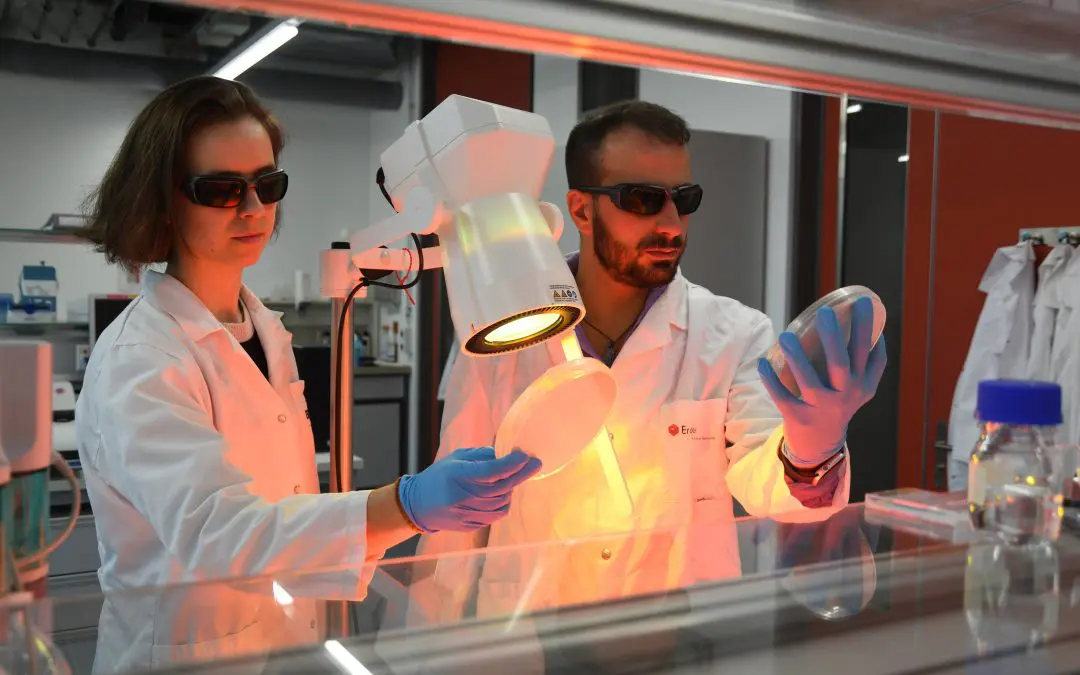
Antibiotic resistance: “The new material is designed to kill microorganisms locally and quickly”
Antibiotic-resistant bacteria and novel viruses are increasingly threatening global health. Every year, about five million deaths are associated with resistant germs, while the COVID-19 pandemic claimed over 20 million victims worldwide. Researchers at Empa are...

5 tips on how to protect yourself and your children from EHEC
Enterohaemorrhagic Escherichia coli (EHEC) is a dangerous type of bacteria that can cause severe intestinal infections. Children, the elderly and people with weakened immune systems are particularly at risk. An infection can be transmitted through contaminated food,...

Dogs react individually to human fear odors
A new study by the University of Veterinary Medicine Vienna shows that dogs perceive human fear chemo signals and react differently to them. This refutes the previous assumption that dogs uniformly avoid such odors. The study, conducted by the Domestication Lab of the...

Atopic eczema increases suicide risk
Adults with atopic eczema suffer from suicidal thoughts significantly more often than the general population, as a new international study at the Congress 2025 of the European Academy of Dermatology and Venereology shows. The "Scars of Life" study, one of the most...
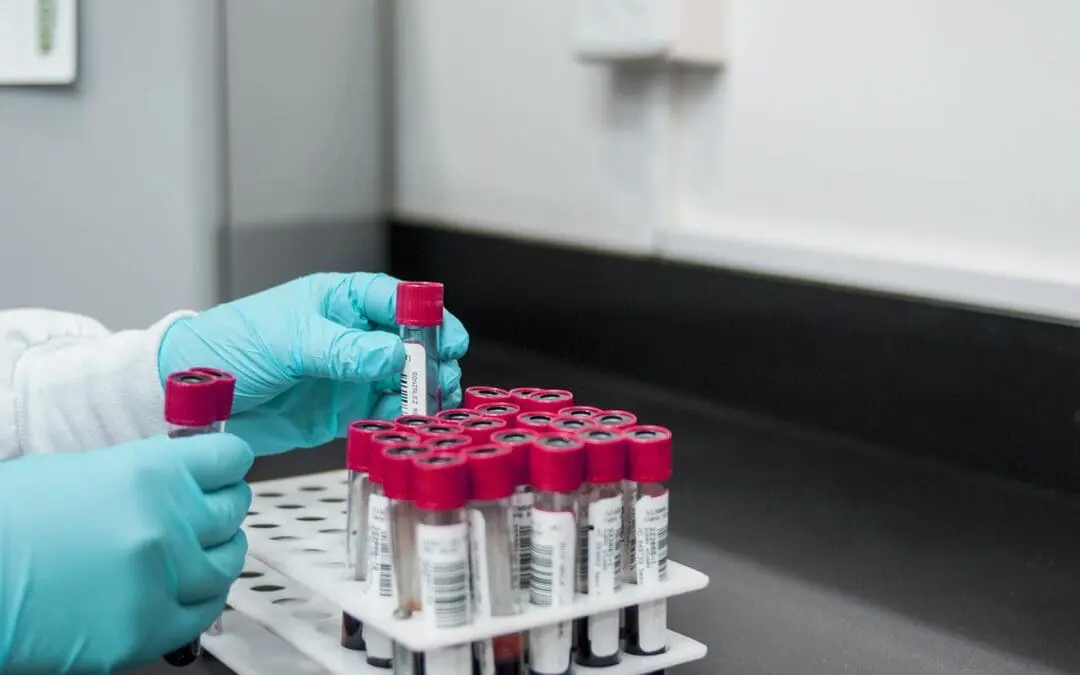
Introducing: IFCC – Global Leader in Laboratory Medicine
The International Federation of Clinical Chemistry and Laboratory Medicine (IFCC) is a leading international organization dedicated to promoting excellence in laboratory medicine to improve global healthcare. With a broad network of national societies, associated...
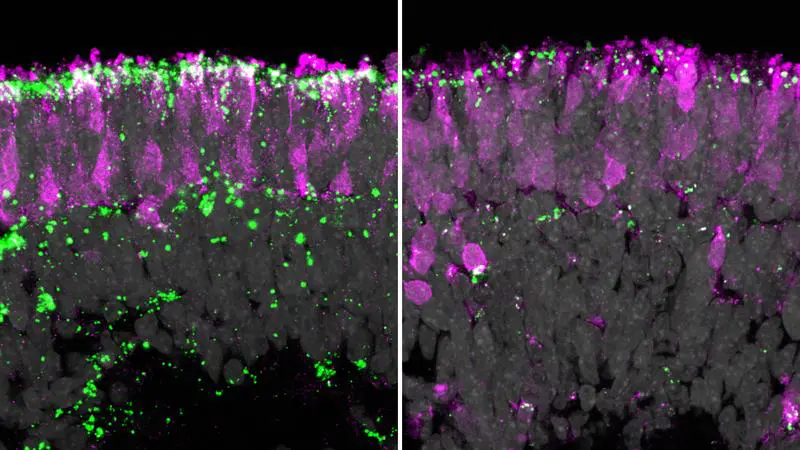
Human organoids: Gene therapy against blindness in childhood dementia successfully tested
Researchers at the University of Tübingen have demonstrated the efficacy of gene therapy against retinal damage in the rare childhood dementia CLN2-Batten syndrome in an innovative human laboratory model. Without animal experiments, it was possible to reduce...
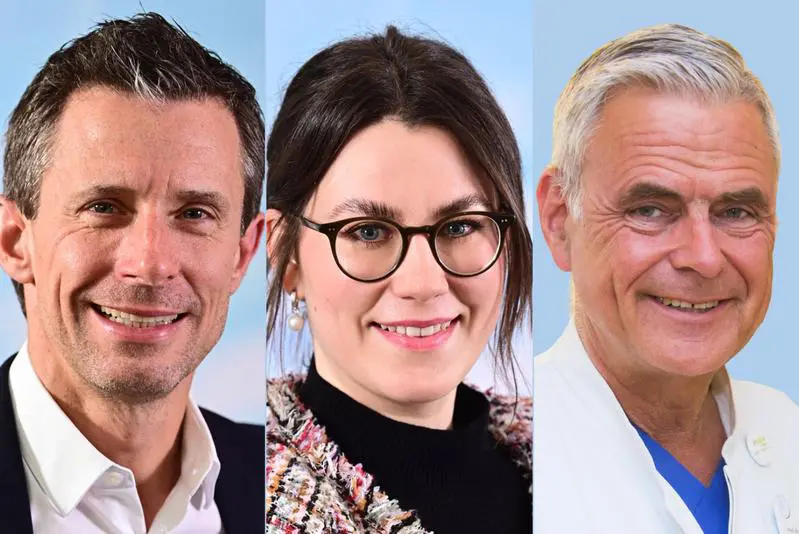
Women significantly underrepresented in leadership positions of medical societies
Women are still strongly underrepresented on the boards and presidiums of medical societies in Germany, despite their increasing share in the profession. An analysis by the German Interdisciplinary Association for Intensive Care and Emergency Medicine (DIVI) shows...
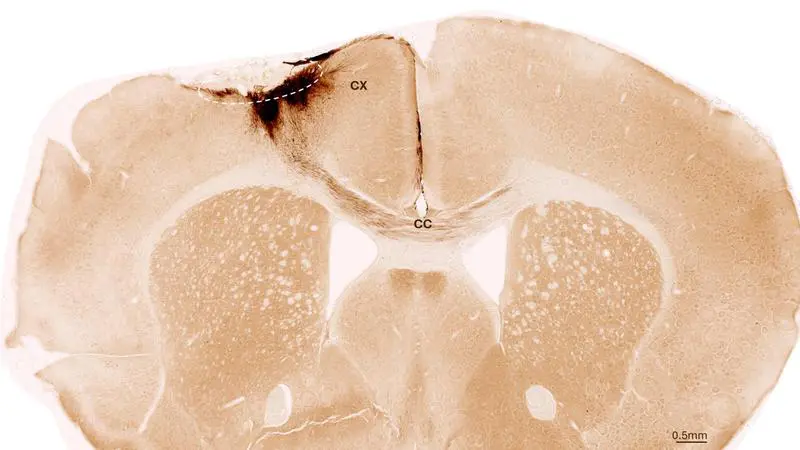
Stem cells repair stroke damage
The transplantation of neuronal stem cells can reverse damage to the brain after a stroke, as researchers at the University of Zurich have shown in two new studies. The therapy leads to the formation of new nerve cells, reduces inflammation and restores motor...