
Surprising double whammy: Kinase inhibitors block and degrade cancer proteins
A new study led by researchers from the CeMM Research Center for Molecular Medicine and the AITHYRA Institute for Artificial Intelligence in Biomedicine, both institutes of the Austrian Academy of Sciences in Vienna, and the IRB Barcelona shows that many kinase...
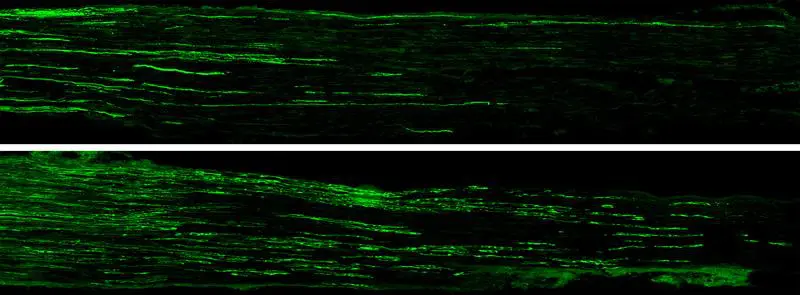
Nerve regeneration in diabetes: New peptide could revolutionize therapy
A research team led by Prof. Dr. Dietmar Fischer from the University of Cologne and the Center for Pharmacology at the University Hospital of Cologne has deciphered a central mechanism that inhibits nerve regeneration in diabetes and developed a therapeutic peptide...
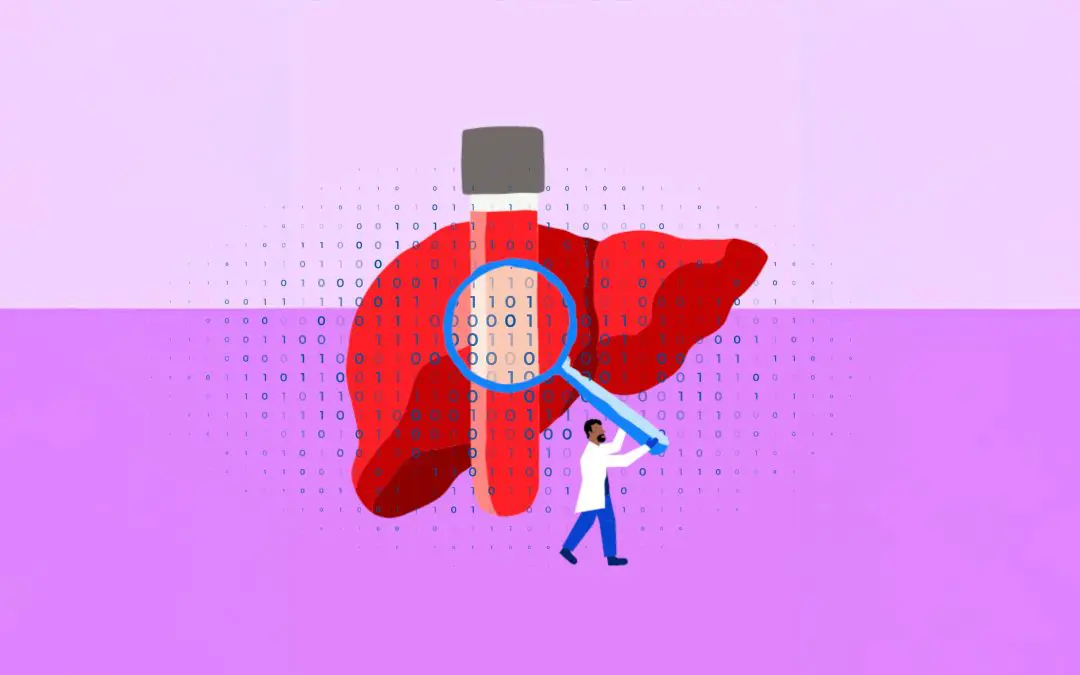
Monitoring liver diseases with digital biomarkers
Digital biomarkers can effectively support the monitoring of chronic diseases in outpatient care. Patients with metabolic liver disease are an increasingly important target group. Here, CE IVD-marked algorithms in general practitioner and specialist care can usefully...

Application-related data collection: According to IQWiG, registry data can be helpful for benefit assessment
For the benefit assessment of drugs, data is needed for comparison with the therapeutic standard. Since orphan drugs are often approved on the basis of non-comparative data, the legislator introduced the procedure of application-accompanying data collection (AbD) from...
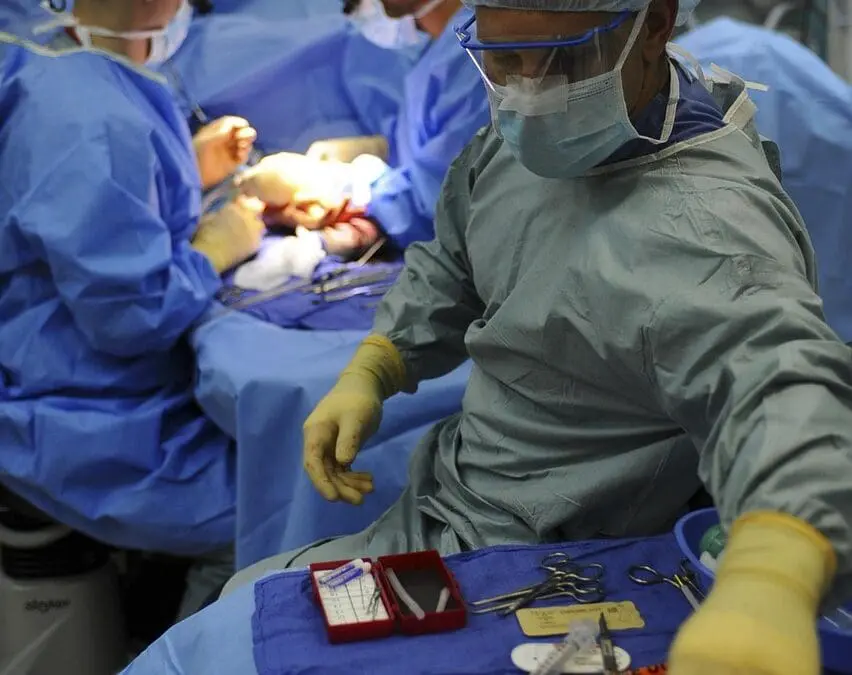
Case report: Antiangiogenic therapy as a beacon of hope in the fight against pulmonary NUT midline cancer
Primary pulmonary nuclear protein of testis (NUT) midline cancer (NMC) is an extremely rare, highly aggressive malignant disease of the thoracic cavity that poses significant diagnostic and therapeutic challenges and is characterized by heterogeneous clinical...
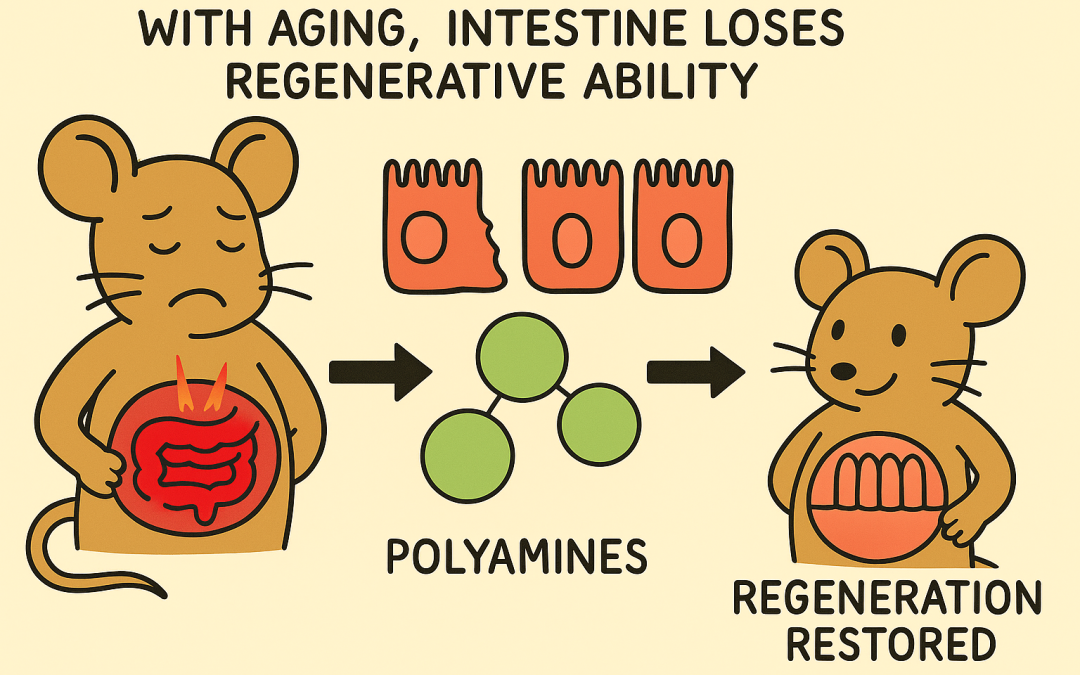
Polyamines promote regeneration in the aging intestine
As we age, the intestines gradually lose their ability to regenerate after damage. An international team of researchers including the Leibniz Institute for Aging Research – Fritz Lipmann Institute (FLI) in Jena and the University of Turin has now discovered that...
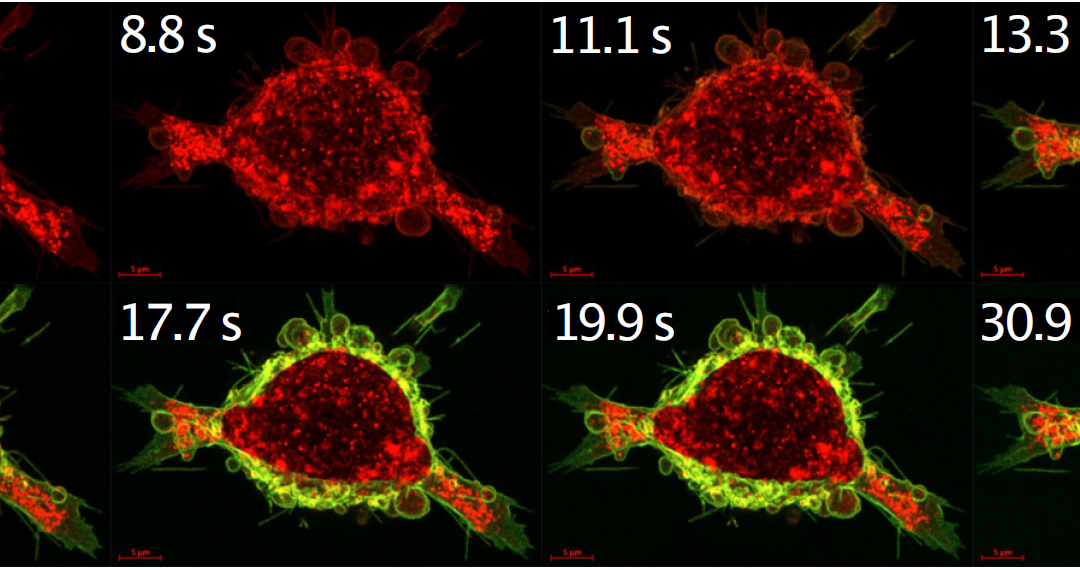
Calcium-sensitive switch increases the effectiveness of cancer drugs
Antibody drugs to fight cancer are supposed to penetrate tumor cells and release a deadly charge deep inside, but all too often they don't make it that far. A new study shows how this Trojan horse strategy works better by exploiting calcium differences outside and...
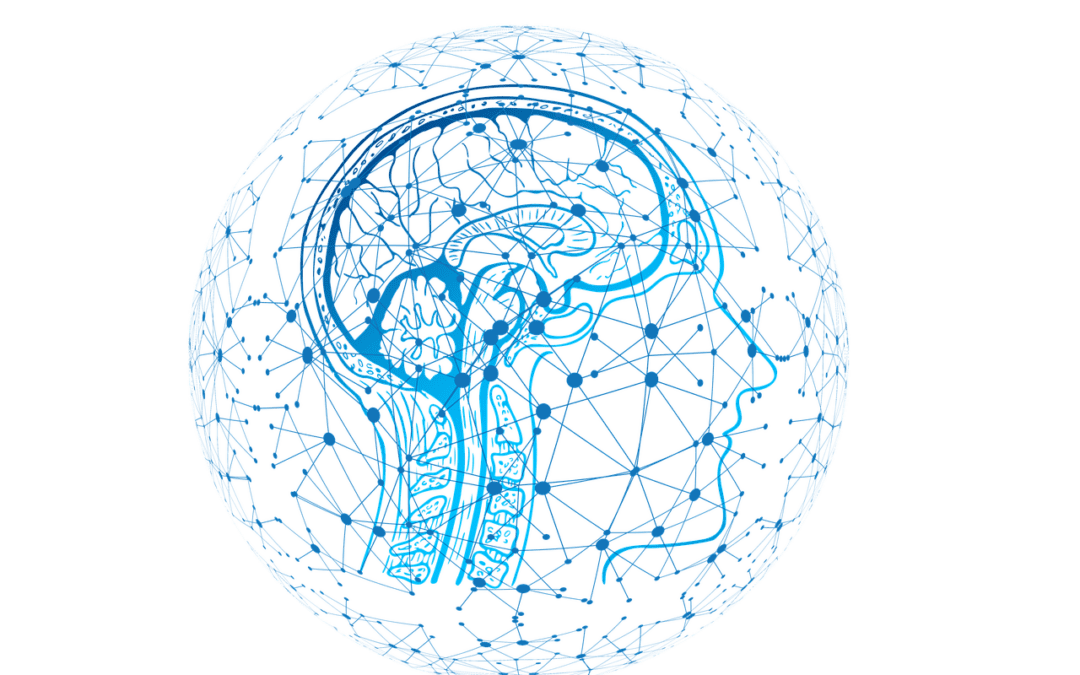
Metabolism of the brain shapes thinking and cognitive boundaries
A new study led by Dr. Philipp Haueis, philosopher of science at Bielefeld University, and his co-author David J. Colaço from the Ludwig Maximilian University of Munich, sheds light on how the brain's metabolism influences cognitive abilities such as memory,...

Social networks shape body perception and could prevent eating disorders
A study led by the Universidad Carlos III de Madrid (UC3M), which was supported by the European Research Council (ERC), shows that the size and diversity of social networks have a significant influence on the perception of one's own body. The results could open up new...
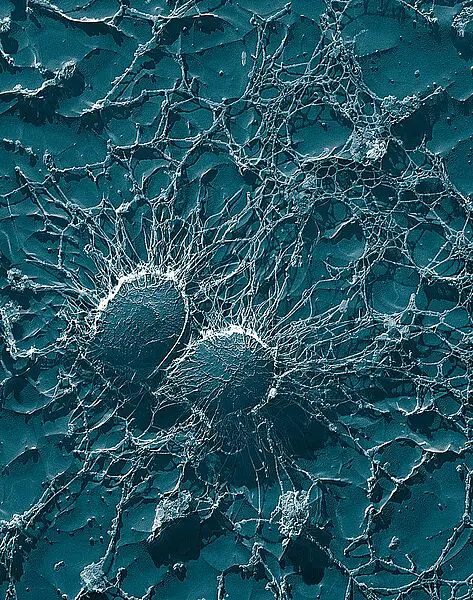
Biotin competition in the nose could fight multidrug-resistant staphylococci
Eine neue Untersuchung des Biozentrums der LMU München zeigt, dass potenziell gefährliche Staphylokokken wie Staphylococcus aureus in der menschlichen Nasenhöhle um das Vitamin Biotin mit anderen Bakterien konkurrieren. Dieser Wettstreit könnte einen...