Heidelberg researchers identify central mechanism in hereditary heart failure
Overactivity of the signaling protein CaMKIIδ is the decisive driver of the rare RBM20 cardiomyopathy. This has been shown by a study by the German Center for Cardiovascular Research (DZHK) at the Heidelberg/Mannheim site. For the first time, the results open up the prospect of a cause-oriented therapy for this severe hereditary form of heart failure.
Scientists at Heidelberg University Hospital led by first author Maarten van den Hoogenhof describe in the journal “Nature Cardiovascular Research” that it is not only the disturbed gene processing (splicing) caused by mutations in the RBM20 gene that triggers the disease. Rather, the defect leads to an overactivation of CaMKIIδ, which controls central processes in the heart muscle, especially the calcium balance.
RBM20 mutations affect only a small proportion of patients with dilated cardiomyopathy, but they are often severe and often occur at a young age. They are associated with a high risk of cardiac arrhythmias.
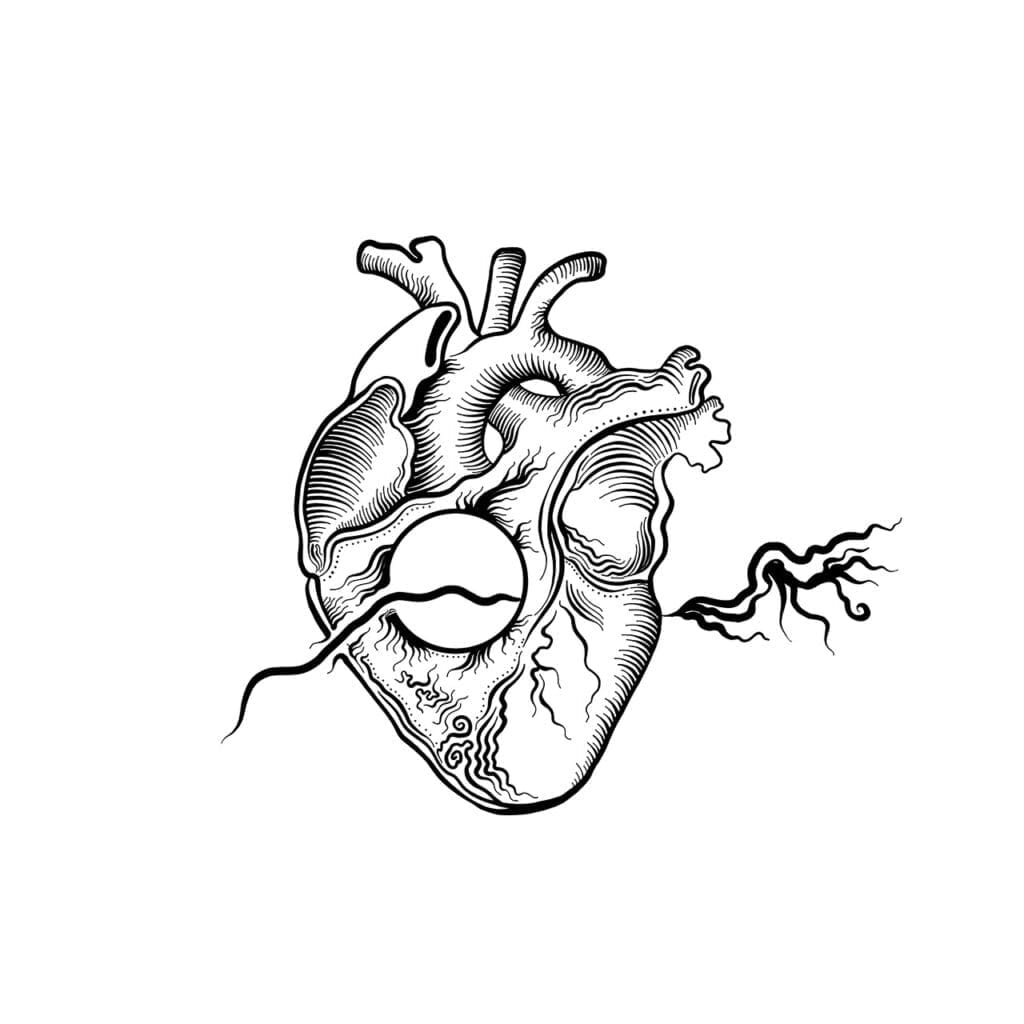
In mouse models with RBM20 defect, pronounced heart failure developed. When CaMKIIδ was genetically switched off, heart function was largely preserved. Reactivation of the protein caused the disease to return. The experiments thus prove that the overactivity of CaMKIIδ is the central disease-causing step.
In further experiments, the researchers treated mice with a human RBM20 mutation with an experimental CaMKII inhibitor. Cardiac function improved significantly, although the genetic defect remained unchanged.
CaMKII inhibitors are already in clinical development for other heart diseases. The new study now provides a clear molecular justification for testing these drugs specifically in patients with RBM20 mutations.
The results underline the importance of genetic diagnostics in dilated cardiomyopathies. They show a way to treat certain genetically determined heart failures in the future not only symptomatically, but also cause-oriented. However, further investigations are necessary before clinical application.
Original Paper:
CAMK2D causes heart failure in mice with RBM20 cardiomyopathy | Nature Cardiovascular Research
Editor: X-Press Journalistenbüro GbR
Gender Notice. The personal designations used in this text always refer equally to female, male and diverse persons. Double/triple naming and gendered designations are used for better readability ected.
Most read
 Hantavirus: detection, symptoms, therapy What is hantavirus? Hantaviruses are a group of viruses that occur worldwide and are mainly transmit...
- Impending fuel shortage: “If the laboratory fails, medical care will come to a standstill in large parts” DGKL CEO Jan Wolter explains the dramatic consequences of a potential fuel shortage for laboratory m...
- Hantavirus: Facts instead of panic Reports of three deaths in connection with a hantavirus outbreak on the cruise ship "MV Hondius" in...