NeuroSense: Real-time monitoring system detects brain infections much earlier
A new monitoring system can detect infections in the cerebrospinal fluid of patients with severe brain injuries almost in real time, thus treating life-threatening complications earlier. The device, called NeuroSense, co-developed by the University of Waterloo , was successfully tested in a study.
The system, which is about the size of a smartphone, connects to existing brain drains and continuously measures important biomarkers such as glucose, lactate and pH value as well as the flow rate of cerebrospinal fluid. Until now, doctors have had to take samples and send them to the laboratory, which is only possible once or twice a day. NeuroSense, on the other hand, provides immediate values directly at the bedside.
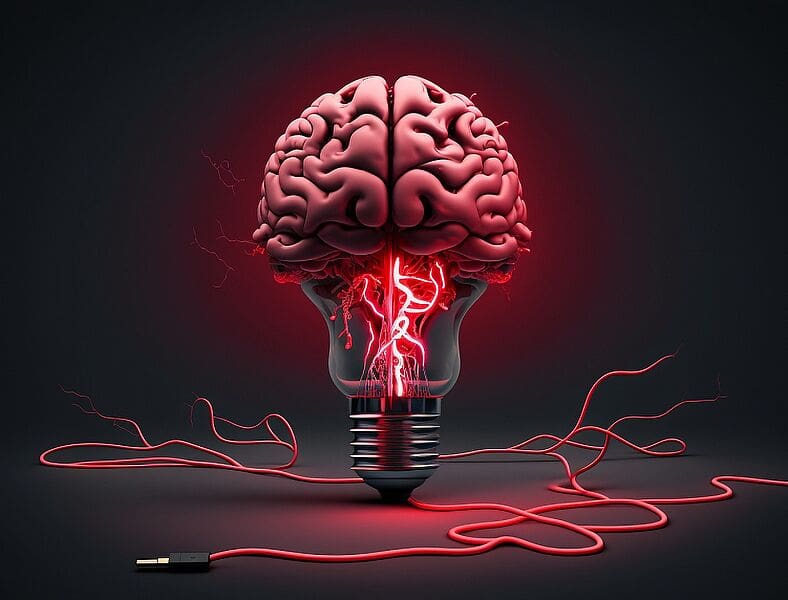
Up to 20 percent of patients with brain drainage develop infections that can lead to severe meningitis, permanent damage, or death. The new system is intended to significantly reduce these risks and at the same time shorten the length of stay in hospital.
The international study, which also involved researchers from the University Medical Center Rostock, the Massachusetts Institute of Technology and Harvard Medical School, was published in the journal Science Translational Medicine . The developers are now planning further clinical tests and the integration of an alarm system.
In the future, the device could be used not only for traumatic brain injuries, but also for hydrocephalus and cerebral hemorrhage. It is considered an important advance for intensive care monitoring.
Original Paper:
Read Also:
Biomarkers: Increased pTau levels in the blood not only in Alzheimer’s disease – MedLabPortal
Editor: X-Press Journalistenbüro GbR
Gender Notice. The personal designations used in this text always refer equally to female, male and diverse persons. Double/triple naming and gendered designations are used for better readability ected.
Most read
 Hantavirus: detection, symptoms, therapy What is hantavirus? Hantaviruses are a group of viruses that occur worldwide and are mainly transmit...
- Hantavirus: Facts instead of panic Reports of three deaths in connection with a hantavirus outbreak on the cruise ship "MV Hondius" in...
- German Medical Association calls for ban on medical diagnostics in drugstores The 130th German Medical Congress 2026 calls on legislators to prevent medical diagnostics in drugst...