Sports hormone irisin protects nerve cells in multiple sclerosis (MS)
The hormone-like molecule irisin, which is released by physical activity, could prevent nerve cells and synapses from destruction in multiple sclerosis (MS). This has been demonstrated in a mouse model by an international research team with the participation of the University Medical Center Hamburg-Eppendorf (UKE) and the Mass General Brigham in Boston. The results were published in the journal “Nature Metabolism”.
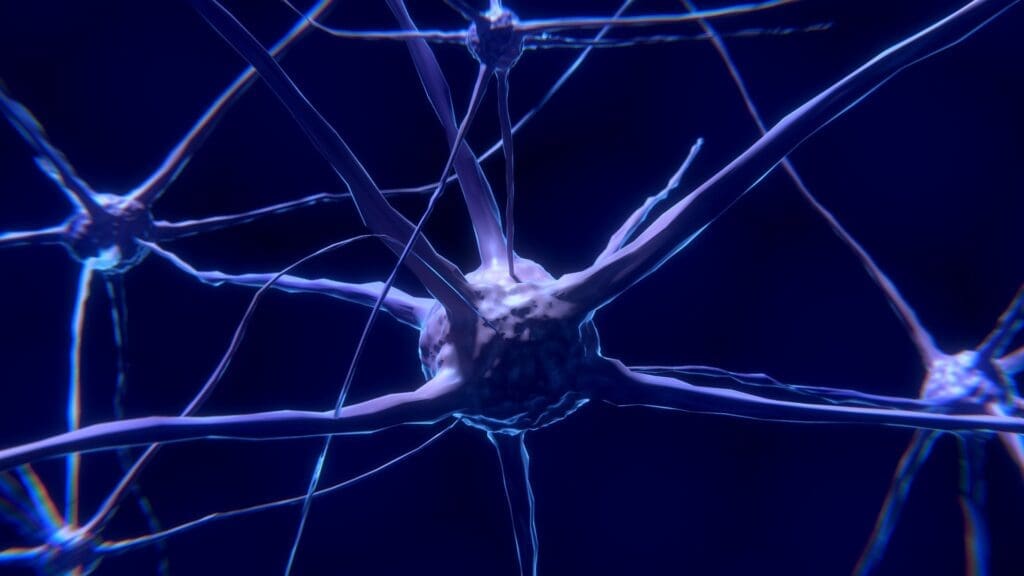
In addition to inflammatory processes, neurodegenerative processes also play a central role in MS, leading to a progressive loss of nerve cells and their connections. While existing therapies are primarily effective at combating inflammation, neurodegeneration remains largely untreated. The new study provides evidence that exercise can have a protective effect on nerve cells through the release of irisin.
In the experiments, mice with an MS-like disease that voluntarily ran in the running wheel for eight weeks showed significantly less loss of nerve cells and synapses in the central nervous system. Comparable protection occurred when irisin levels were artificially increased. In mice that lacked the precursor gene for irisin, the positive effect of the sport failed to materialize.
Further investigations revealed that irisin primarily activates genes that are important for the function of synapses and mitochondria. This resulted in higher synaptic density and improved mitochondrial activity in the spinal cord.
The scientists see irisin as a promising starting point for new therapies, especially in the progressive form of MS, in which neurodegenerative processes are in the foreground. The findings could advance the development of irisin-based drugs and point to a new, non-pharmacological pathway to neuroprotection.
Original Paper:
Read Also:
Researchers discover new biomarkers for multiple sclerosis – MedLabPortal
Editor: X-Press Journalistenbüro GbR
Gender Notice. The personal designations used in this text always refer equally to female, male and diverse persons. Double/triple naming and gendered designations are used for better readability ected.
Most read
 Hantavirus: detection, symptoms, therapy What is hantavirus? Hantaviruses are a group of viruses that occur worldwide and are mainly transmit...
- Hantavirus: Facts instead of panic Reports of three deaths in connection with a hantavirus outbreak on the cruise ship "MV Hondius" in...
- NDR research: Many ophthalmologists demand unlawful surcharges for cataract operations According to research by NDR, cataract operations lead to dubious additional claims on a large scale...