Ebola outbreak: No vaccine, limited diagnostic options
The World Health Organization (WHO) has declared the current Ebola outbreak in the Democratic Republic of Congo and Uganda a public health emergency of international concern. The rare bundibugyo virus is affected, for which neither an approved vaccine nor a specific therapy is available. According to the Robert Koch Institute (RKI) and the European Centre for Disease Prevention and Control (ECDC), there is still only a very low risk for the population in Germany and Europe.
The first cases were confirmed in the province of Ituri in the east of the Democratic Republic of Congo. In the meantime, there are also confirmed infections in Uganda in connection with travel from the affected area. As of May 19, the authorities had 536 suspected cases, 34 confirmed infections and 134 deaths. The outbreak areas are located in conflict regions with epicenters in Mongwalu, Rwampara and Bunia. Armed clashes there make contact tracing and access to medical care much more difficult.
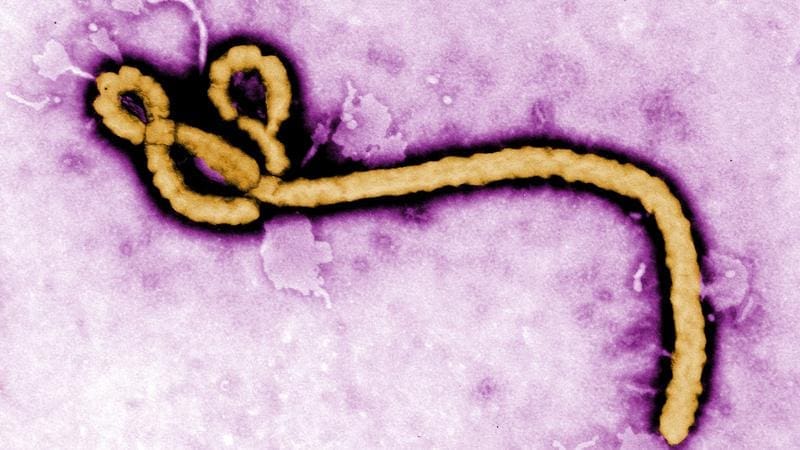
The Ebola virus is transmitted exclusively through direct contact with bodily fluids of infected persons or contaminated objects. Airborne transmission does not take place. Current containment measures focus on rapid diagnosis, isolation of sick people, contact tracing and the protection of health workers.
Experts from the German Center for Infection Research (DZIF) pointed out that the lack of an approved vaccine and specific therapies as well as limited diagnostic options make it much more difficult to fight the outbreak. The affected regions have only a poorly developed health infrastructure, which is additionally burdened by conflicts and population movements. Consistent international cooperation is therefore crucial to prevent further spread.
The outbreak is seen as a warning signal for global health care. Long-term investments in surveillance systems, diagnostics, vaccine development and the development of local health structures are necessary. Previous Ebola outbreaks in the region have been brought under control through international cooperation and consistent measures.
The RKI and the ECDC continue to monitor the situation closely and classify the risk of importation into Germany as very low. However, travelers from the affected areas should follow the usual hygiene rules and seek medical help immediately if they experience symptoms such as fever, headache, muscle pain or bleeding.
Further information:
Editor: X-Press Journalistenbüro GbR
Gender Notice. The personal designations used in this text always refer equally to female, male and diverse persons. Double/triple naming and gendered designations are used for better readability ected.
Most read
 Hantavirus: detection, symptoms, therapy What is hantavirus? Hantaviruses are a group of viruses that occur worldwide and are mainly transmit...
- Impending fuel shortage: “If the laboratory fails, medical care will come to a standstill in large parts” DGKL CEO Jan Wolter explains the dramatic consequences of a potential fuel shortage for laboratory m...
- Hantavirus: Facts instead of panic Reports of three deaths in connection with a hantavirus outbreak on the cruise ship "MV Hondius" in...