Integrated ethics to enable responsible research with embryonic stem cell models
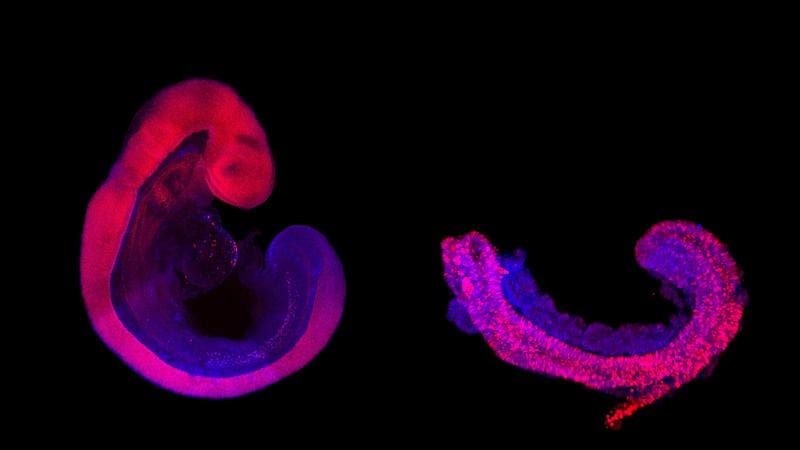
An international team of experts from science, ethics and law proposes a new approach to make research with embryonic models based on human stem cells (hSCBEMs) ethically responsible and at the same time conducive to innovation. Instead of rigid, retrospective examinations, an “integrated ethics” is intended to ensure that scientific progress is in line with societal values through continuous dialogue between researchers, ethicists, regulators and the public.
The rapid developments in these models, which replicate increasingly complex stages of early human development, pose major challenges to traditional ethical review processes. Traditional approval processes are often too slow and inflexible to keep up with the pace of science. At the same time, there is a risk that unclear or overly strict regulations will slow down promising biomedical advances or undermine public trust in science.
The proposal, published in the journal Nature Cell Biology, therefore advocates dynamic ethics embedded in the research process. Active, society-oriented discussions take place throughout the project. The approach is based on proven models from other sensitive research fields such as artificial intelligence.
One of the lead authors is Jesse Veenvliet, research group leader at the Max Planck Institute of Molecular Cell Biology and Genetics (MPI-CBG) in Dresden. “Our integrated ethical framework benefits all stakeholders,” he said. It enables ethicists and lawyers to get to know science first-hand, helps researchers to consider ethical questions at an early stage, and gives society the certainty that groundbreaking research is carried out responsibly.
The proposed framework aims to create a flexible, ongoing dialogue that anticipates challenges and accompanies decisions. It also complies with the latest recommendations of the International Society for Stem Cell Research (ISSCR) for an iterative and responsive monitoring process.
The initiative came from the “Engineered Living Materials” consortium funded by the European Innovation Council, in which the MPI-CBG Dresden and the University of Oslo are involved, among others. The aim is to promote innovation without jeopardising public trust.
Original Paper:
Heidi Beate Bentzen, Maxence Gaillard, Iftach Nachman, Daniel Reumann, Nikolaj Gadegaard, Laurent David, Fredrik Lanner, Naomi Moris, Vincent Pasque, Nicolas Rivron, Berna Sozen, Rosario Isasi, Stefan Krauss & Jesse V. Veenvliet: A guide to using embedded ethics in human stem-cell-based embryo model research. Nat Cell Biol (2026), doi: 10.1038/s41556-026-01909-9
Editor: X-Press Journalistenbüro GbR
Gender Notice. The personal designations used in this text always refer equally to female, male and diverse persons. Double/triple naming and gendered designations are used for better readability. ected.
Most read
 Hantavirus: detection, symptoms, therapy What is hantavirus? Hantaviruses are a group of viruses that occur worldwide and are mainly transmit...
- Hantavirus: Facts instead of panic Reports of three deaths in connection with a hantavirus outbreak on the cruise ship "MV Hondius" in...
- Hantavirus: Experts at the University Medical Center Essen see low risk for the general population After several hantavirus infections and deaths occurred on the cruise ship "Hondius", a contact pers...