AI-based smartphone app for early detection of neglected tropical skin diseases
The “SkincAIr” project, coordinated by the Universidad Politécnica de Madrid and funded by the EU’s Horizon Europe programme, aims to improve the diagnosis and surveillance of such diseases in regions with a shortage of specialist staff and difficult access to healthcare. Neglected tropical skin diseases occur mainly in rural areas south of the Sahara, are often detected too late and, if left untreated, can lead to serious complications and stigmatization.
The core of the project is an artificial intelligence developed by HSLU that analyses skin changes in smartphone photos and supports local health professionals in diagnosis. A central component is the targeted collection of images of dark skin types, which are severely underrepresented in existing databases, in order to train the AI fairly and reliably for all skin types. The data comes from different regions, age groups and cultural contexts.
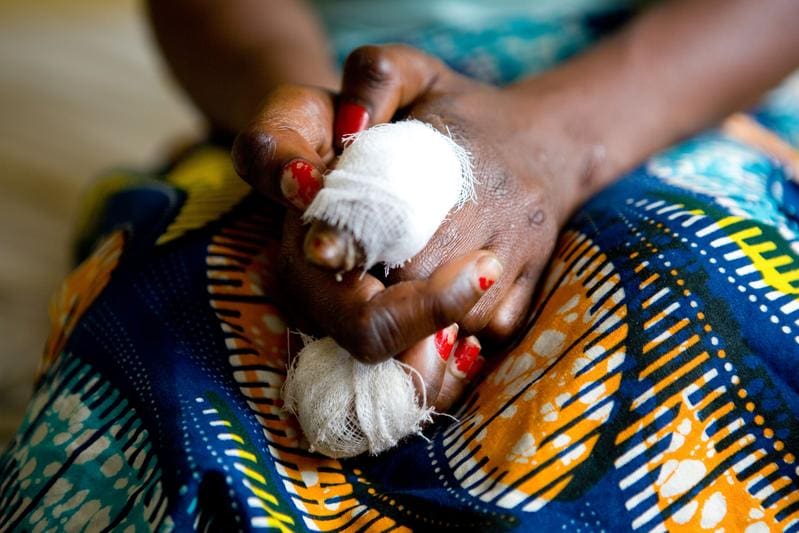
The app is designed as free, offline-capable software: analyses run locally on the device, and collected data is automatically synchronized with an Internet connection. So far, more than 7000 images of skin lesions have been documented in an ongoing test phase in five countries (Kenya, Senegal, Ethiopia, Nigeria and the Democratic Republic of the Congo). The aim is to build the largest open image collection on skin NTDs in sub-Saharan Africa.
All data is collected under strict ethical standards, including informed consent and anonymization, and made freely available to researchers worldwide. In addition to technology development, the project includes training for local health workers to strengthen early detection in the long term.
“Our AI will help detect NTD skin diseases earlier, reduce the transmission rate and treat patients faster. This significantly relieves the local healthcare infrastructure,” emphasises Gil Sharvit, project manager at HSLU.
Skin NTDs include parasite-borne diseases such as leishmaniasis, river blindness and scabies. The project is currently in the testing and data collection phase.
Editor: X-Press Journalistenbüro GbR
Gender Notice. The personal designations used in this text always refer equally to female, male and diverse persons. Double/triple naming and gendered designations are used for better readability. ected.
Most read
 Hantavirus: detection, symptoms, therapy What is hantavirus? Hantaviruses are a group of viruses that occur worldwide and are mainly transmit...
- Hantavirus: Facts instead of panic Reports of three deaths in connection with a hantavirus outbreak on the cruise ship "MV Hondius" in...
- German Medical Association calls for ban on medical diagnostics in drugstores The 130th German Medical Congress 2026 calls on legislators to prevent medical diagnostics in drugst...