Rare diseases: Four million people affected in Germany
According to estimates, about four million people in Germany suffer from a rare disease. The reason for the alarmingly high number is that although each individual disease affects less than five out of 10,000 people, the more than 8,000 known rare diseases add up to a high total number of people affected. On the occasion of Rare Disease Day on February 28, the Martin Zeitz Center for Rare Diseases (MZCSE) at the University Medical Center Hamburg-Eppendorf (UKE) is highlighting the ongoing challenges in diagnostics and care – and at the same time points to progress in rare liver diseases.
Rare diseases are usually complex, often occur in childhood and are chronic, often with considerable health restrictions. Many are genetically determined. The MZCSE acts as a type A center and serves as a central point of contact for patients with an unclear diagnosis and suspicion of a rare disease. Neurological, development-inhibiting or metabolic-related diseases are particularly common – including extremely rare forms with less than one affected person per million people.
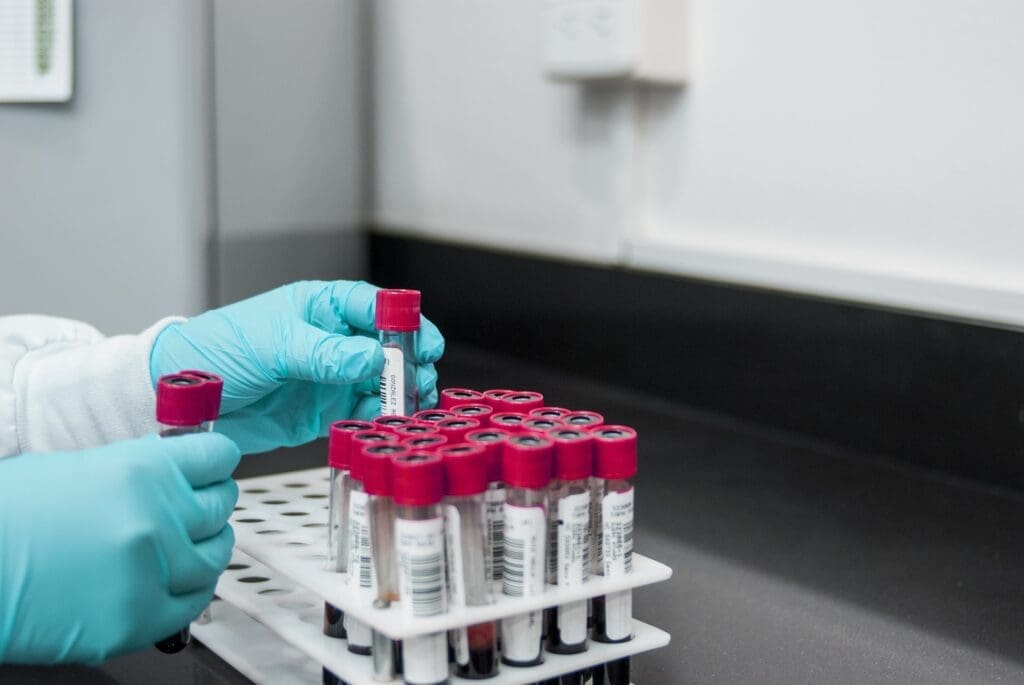
A central focus of the center is on rare immunological liver diseases, especially autoimmune hepatitis. These conditions are difficult to diagnose and, if left untreated, can lead to cirrhosis or liver failure. The UKE cares for more than 3,000 patients with such liver diseases, making it one of the leading international centres. The aim of the work is to better understand the underlying disease mechanisms in order to be able to develop more targeted therapies in the future.
Since April 2025, the German Research Foundation (DFG), led by the MZCSE, has been funding the Collaborative Research Centre (CRC 1700) “Immune Regulation in the Liver”. In this cross-location network, clinicians, basic researchers and bioinformaticians work closely together. The focus is on elucidating disease mechanisms, developing new therapeutic approaches and testing them in clinical trials. Initial successes are already evident: For example, a new first-line therapy for autoimmune hepatitis has been validated in studies.
The MZCSE supports those affected with unclear clinical pictures through interdisciplinary case discussions, targeted diagnostics including comprehensive genetic analyses – such as sequencing of the entire genome as part of a nationwide model project – and recommendations for further action. If necessary, they are referred to specialized competence centers at the UKE that have proven expertise in clinical and research areas. Patients are cared for either directly in the interdisciplinary consultation hours or by referring doctors.
Read more:
Editor: X-Press Journalistenbüro GbR
Gender Notice. The personal designations used in this text always refer equally to female, male and diverse persons. Double/triple naming and gendered designations are used for better readability. ected.
Most read
 Hantavirus: detection, symptoms, therapy What is hantavirus? Hantaviruses are a group of viruses that occur worldwide and are mainly transmit...
- Hantavirus: Facts instead of panic Reports of three deaths in connection with a hantavirus outbreak on the cruise ship "MV Hondius" in...
- German Medical Association calls for ban on medical diagnostics in drugstores The 130th German Medical Congress 2026 calls on legislators to prevent medical diagnostics in drugst...