INTRODUCING: The World’s Largest Collection of Leukemia and Lymphoma Cell Lines for Cancer Research
The Department of Human and Animal Cell Cultures of the Leibniz Institute DSMZ – German Collection of Microorganisms and Cell Cultures GmbH provides researchers worldwide with over 750 human and animal cancer cell lines. Among them is the world’s largest collection of leukemia and lymphoma cell lines. These cell lines are used for basic and clinical cancer research and are freely accessible.
Cancer cell lines are established from tumor cells of patients. They grow indefinitely in culture, can be cryopreserved and retain their essential biological properties. This makes them ideal, reproducible models for the study of individual tumor entities and can be studied independently worldwide.
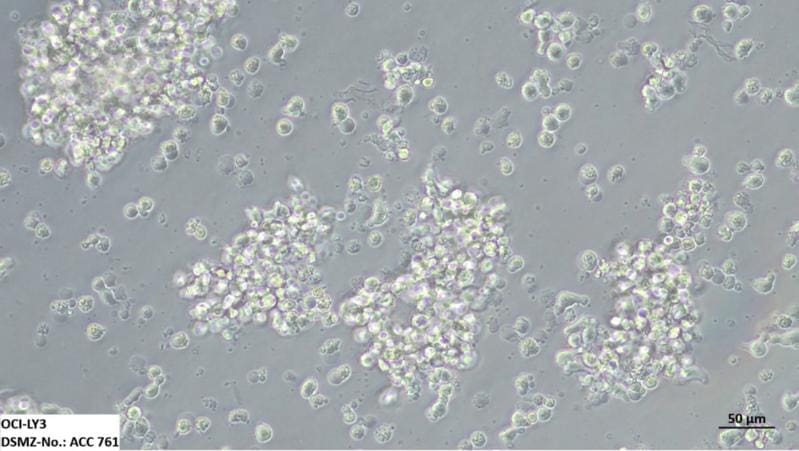
The DSMZ has already completely sequenced and characterized 100 cell lines from the field of leukemia and lymphoma. Recently, all breast cancer cell lines in the collection were also comprehensively analyzed and described. All available cell lines can be viewed in detail in the freely accessible database DSMZCellDive.
In addition to its function as a cell bank, the DSMZ uses its own cell lines intensively for research on various tumor entities. The motto of World Cancer Day 2026 is “Unique together”. This underlines that each tumor has individual mutations and changes despite many similarities within its group. This heterogeneity poses major challenges for cancer treatment – especially in an ageing society with increasing incidence rates.
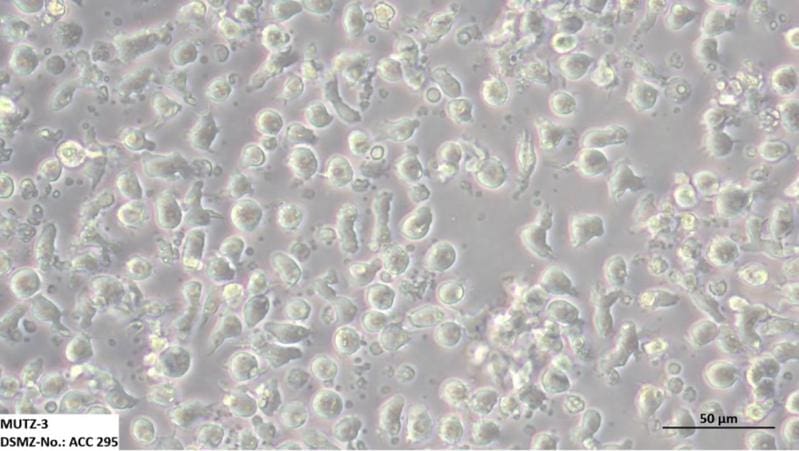
The provision of authentic, characterized cell lines is essential for basic research and the development of new therapies. The DSMZ thus makes a significant contribution to international cancer research.
Read more:
Editor: X-Press Journalistenbüro GbR
Gender Notice. The personal designations used in this text always refer equally to female, male and diverse persons. Double/triple naming and gendered designations are used for better readability. ected.
Most read
 Hantavirus: detection, symptoms, therapy What is hantavirus? Hantaviruses are a group of viruses that occur worldwide and are mainly transmit...
- Impending fuel shortage: “If the laboratory fails, medical care will come to a standstill in large parts” DGKL CEO Jan Wolter explains the dramatic consequences of a potential fuel shortage for laboratory m...
- Hantavirus: Facts instead of panic Reports of three deaths in connection with a hantavirus outbreak on the cruise ship "MV Hondius" in...