Zoonoses monitoring: Salmonella detected in sesame products
The Federal Office of Consumer Protection and Food Safety (BVL) warns of a risk of infection from salmonella in sesame products. The 2024 zoonoses monitoring showed that two percent of 354 samples from the retail sector examined were contaminated.
Products such as tahini and halva are affected, which are often consumed without heating, which does not kill salmonella. In the past, sesame products have repeatedly caused salmonellosis outbreaks. Especially small children, the elderly, immunocompromised people and pregnant women should avoid raw sesame products.
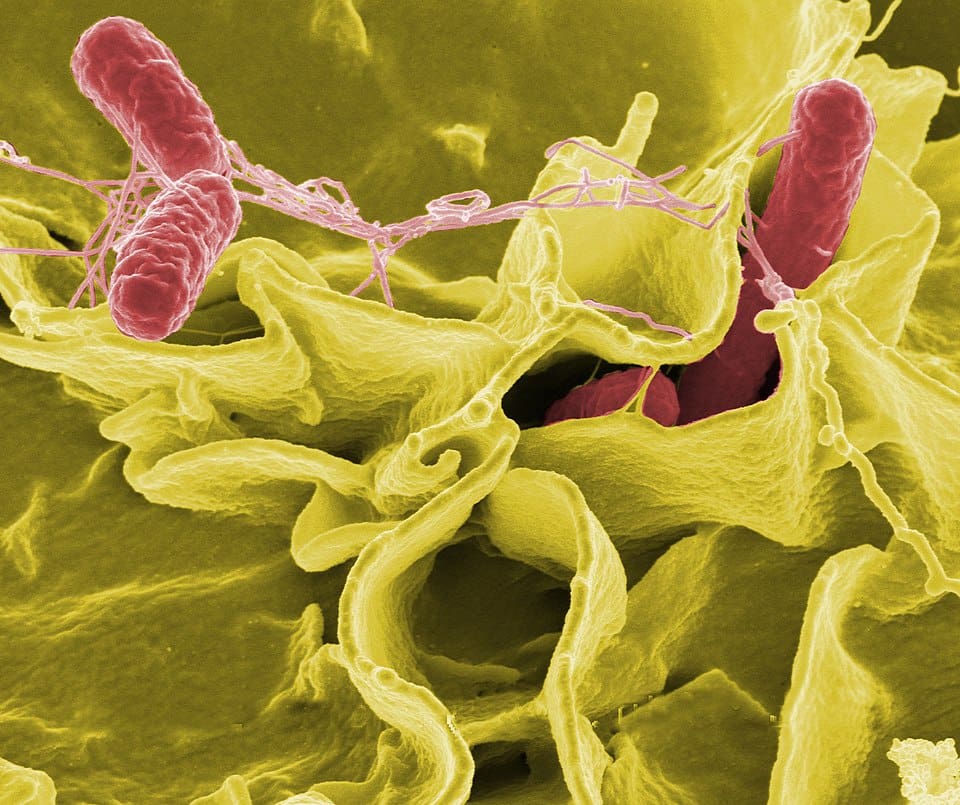
The contamination can be caused by contaminated irrigation water, organic fertilization or animal excrement in fields. The BVL emphasizes the need for strict hygiene during cultivation, harvesting and processing as well as careful quality controls. The 2024 zoonoses monitoring included 6,028 samples along the food chain, from which 4,638 bacterial isolates were analysed. The full report is available at www.bvl.bund.de/ZoonosenMonitoring. Consumer tips on food hygiene can be found at www.bvl.bund.de/lebensmittelhygiene.
Read more:
Editor: X-Press Journalistenbüro GbR
Gender Notice. The personal designations used in this text always refer equally to female, male and diverse persons. Double/triple naming and gendered designations are used for better readability. ected.
Most read
 First female dean in 549 years: Professor Sara Y. Brucker heads the Faculty of Medicine in Tübingen For the first time in its almost 550-year history, the Faculty of Medicine at the University of Tübi...
- Psychotherapy: National Association of Statutory Health Insurance Funds plans blanket fee reduction of ten percent The professional association unith e.V. warns of an imminent blanket reduction of fees for psychothe...
- Interview: KKH CEO Dr. Wolfgang Matz on billing fraud, AI and the future of statutory health insurance In an interview with MedLabPortal , Dr. Wolfgang Matz, Chairman of the Board of Directors of KKH Kau...