
Type genomics: International researchers call for sequencing of reference specimens in museum collections
In a new study, an international team of scientists advocates the systematic genome sequencing of type specimens in natural history collections. These reference objects, which serve to officially describe and name every known species, contain a genetic treasure trove whose deciphering could fundamentally change biodiversity research.
Type specimens are the backbone of biological taxonomy. For each species described, there is a single reference specimen worldwide – an animal, a plant or a fossil – which is considered decisive for the name and definition of the species. These objects are stored in museums and research institutions and serve as indispensable reference works for the unambiguous identification and classification of species.
In the journal Systematic Biology, researchers led by first author Dr. Harald Letsch from the University of Vienna and the Karlsruhe State Museum of Natural History published an article in which they emphasize the immense importance of genomics for these specimens. Modern sequencing technologies make it possible to extract DNA even from very old and fragile objects without destroying them. This allows digital twins to be created that combine high-resolution images, morphometric data, and genetic information.
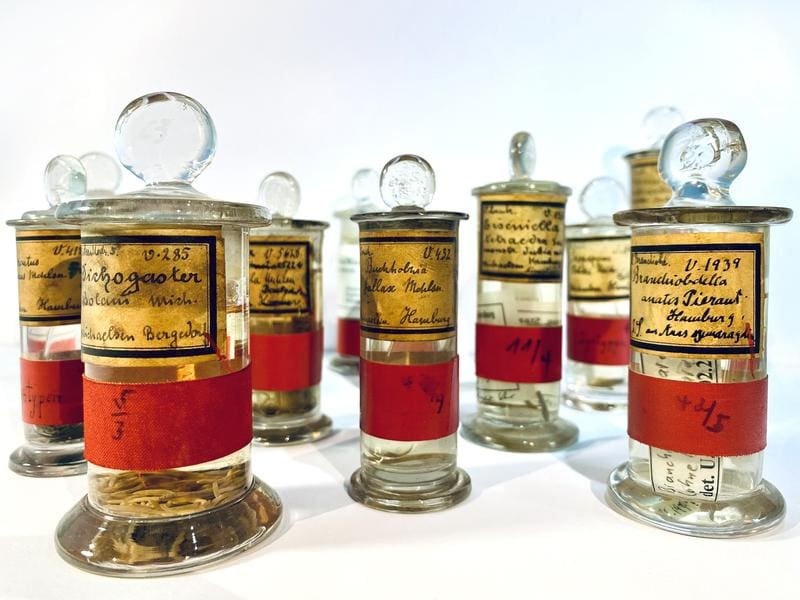
The team, which includes scientists from the Senckenberg Society for Nature Research, the Museum für Naturkunde Berlin, the Leibniz Institute for the Analysis of Biodiversity Change and other institutions, sees enormous potential in type genomics. The decoding of the genomes allows deeper insights into relationships, evolutionary developments and protective measures for species. At the same time, it contributes to the digitization of natural history collections, a central concern of modern biodiversity research.
Many type specimens are hundreds of years old and endangered by aging, improper storage or disasters. Any physical examination or loan carries risks. Minimally invasive DNA sampling methods and high-throughput sequencing offer a remedy here: One-time sample collection can provide large amounts of data that can then be shared globally without further burdening the original.
Prof. Dr. Steffen Pauls from the Senckenberg Research Institute and Natural History Museum Frankfurt, senior author of the study, emphasizes the need for close cooperation between curators, taxonomists and genome researchers. A coordinated strategy is intended to ensure that each copy is ideally only physically processed once in order to obtain the most comprehensive data possible. Standardized protocols and museum networks could ensure the worldwide availability of genomic data from type specimens.
Dr. Jenna Moore from the Leibniz Institute for the Analysis of Biodiversity Change and Museum der Natur Hamburg underlines the infrastructure value of digitized collections. They make biodiversity information globally accessible and position museums as living archives of the earth’s history.
Dr. Iker Irisarri from the Leibniz Institute and the Museo Nacional de Ciencias Naturales in Madrid sees networked catalogues as a means of accelerating the description of new species and providing targeted support for species conservation – provided that the genome data is openly accessible.
The researchers consider type genomics to be a crucial step in the digital transformation of natural history collections. Collaborative expertise and modern technology can not only revolutionize current research, but also secure biological knowledge for future generations.
The study was published in Systematic Biology (Volume 74, Issue 6, November 2025, pages 1029–1044, DOI: 10.1093/sysbio/syaf040). It underlines the urgency of systematically raising the genetic treasure of the type specimens and at the same time protecting their physical integrity. In this way, it is making an important contribution to tackling the global biodiversity crisis.
Original Paper:
Editor: X-Press Journalistenbüro GbR
Gender Notice. The personal designations used in this text always refer equally to female, male and diverse persons. Double/triple naming and gendered designations are used for better readability. ected.
Most read
 Psychotherapy: National Association of Statutory Health Insurance Funds plans blanket fee reduction of ten percent The professional association unith e.V. warns of an imminent blanket reduction of fees for psychothe...
- Lifesaver laboratory medicine: “As a rule, a result should be available after 60 minutes at the latest for emergencies.” 11.2 is the day of the emergency call - but for laboratory medicine it is only one of 365 days on wh...
- First female dean in 549 years: Professor Sara Y. Brucker heads the Faculty of Medicine in Tübingen For the first time in its almost 550-year history, the Faculty of Medicine at the University of Tübi...