
Tumoroids from lung cancer tissue enable testing of therapies
Researchers at the Berlin Institute of Health at Charité have developed a method that can be used to test therapies on mini-tumors from patient tissue. These tumoroids retain genetic, tissue, and structural properties of the original tumor and reflect the individual response to treatments. The results could help doctors select effective therapies. The study was published in the journal Nature Biomedical Engineering.
Lung cancer occurs in a highly individual form, with different characteristics that influence the success of therapy. Without knowledge of these characteristics, effective treatment is difficult. Existing options such as surgery, radiation, chemotherapy and immunotherapies often fail. The new method grows tumoroids from surgically removed tumor samples from patients at Charité. These mini-tumors allow tests of different approaches in the laboratory.
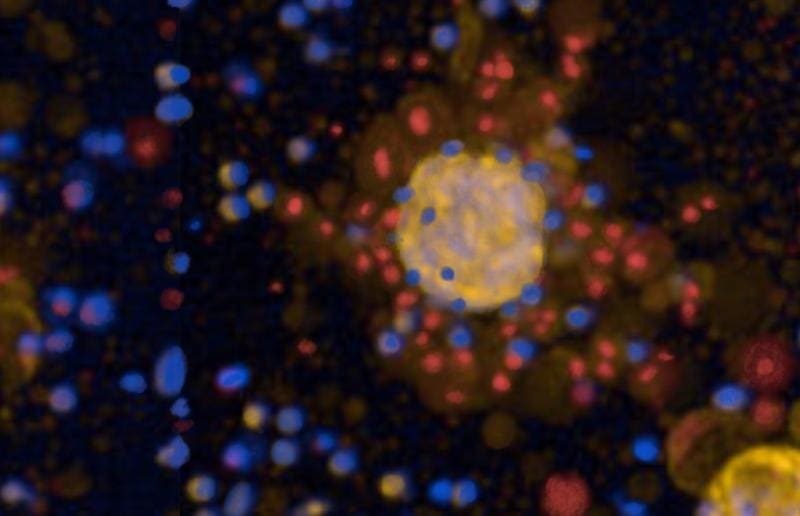
First, the researchers validated the tumoroids using classic chemotherapies. They then tested the efficacy of CAR-T cells, an immunotherapy in which T cells are genetically modified to specifically recognize and destroy cancer cells. CAR-T cells have proven effective in blood cancers, but development remains challenging in solid tumors such as lung cancer. The tests showed that it is not only the frequency of target molecules on tumor cells that determines whether CAR-T cells are successful. Tumor’s own protective mechanisms and immune escape strategies play a decisive role. Healthy lung organoids served as a control for possible side effects.
The method allows the cultivation and characterization of patient-specific tumoroids within three months after surgery. It serves as a testing platform for experimental therapies, especially for patients whose standard treatments fail. The complex interplay of tumor properties determines the success of therapy and underlines the need for personalized approaches.
The study marks a step towards precision medicine for lung cancer. Tumoroids not only validate standard therapies, but also test new CAR-T approaches in a realistic way. This could advance development against solid tumors and mitigate care inequalities. The platform opens up perspectives for personalized oncology by uncovering individual tumor strategies against therapies.
The BIH Center for Regenerative Therapies led the work. The tumoroids accurately reflect the patient’s tumor and reliably predict therapeutic responses. Future applications could improve treatment planning and increase success rates. The researchers emphasize the importance of tumor protective mechanisms for CAR-T success. The model could be used clinically to find optimal strategies in refractory cases.
Lung cancer remains one of the most common and deadly cancers. Individual heterogeneity makes standardized treatments difficult. The new method addresses this challenge through patient-based models. It supports the translation of innovative immunotherapies into practice and contributes to the further development of oncology. The publication in Nature Biomedical Engineering highlights the scientific relevance and potential for broader applications in cancer research.
Original Paper:
Ehlen L, Farrera-Sal M, et al., Schmueck-Henneresse M. Lung tumoroids as a testing platform for precision CAR T-cell therapy. Nature Biomedical Engineering (2025). DOI: 10.1038/s41551-025-01594-3
Editor: X-Press Journalistenbüro GbR
Gender Notice. The personal designations used in this text always refer equally to female, male and diverse persons. Double/triple naming and gendered designations are used for better readability. ected.
Most read
 First female dean in 549 years: Professor Sara Y. Brucker heads the Faculty of Medicine in Tübingen For the first time in its almost 550-year history, the Faculty of Medicine at the University of Tübi...
- Interview: KKH CEO Dr. Wolfgang Matz on billing fraud, AI and the future of statutory health insurance In an interview with MedLabPortal , Dr. Wolfgang Matz, Chairman of the Board of Directors of KKH Kau...
- Psychotherapy: National Association of Statutory Health Insurance Funds plans blanket fee reduction of ten percent The professional association unith e.V. warns of an imminent blanket reduction of fees for psychothe...