
Tips for a harmonious Christmas with dementia patients
Christmas as a family celebration can be challenging for relatives of people with Alzheimer’s or other dementias, as the desire for traditions collides with the needs of those with Alzheimer’s disease. The
The Advent and Christmas season is particularly suitable for spending beautiful hours, as people with dementia increasingly forget current events, but long-ago memories are often preserved. Activities such as singing well-known songs, listening to old music, looking at photo albums, or recounting past experiences can trigger positive feelings. Preparations such as baking cookies or decorating the house should involve sufferers whenever possible to provide a sense of usefulness. Gifts are items that evoke familiar memories, such as music recordings from your youth, illustrated books from your former homes or holiday destinations, and framed family pictures. Sensory gifts that stimulate the senses, such as touch books, nest blankets, sound instruments or fragrant oils, can also bring joy.
Forward-looking planning is crucial because the condition of the sick person – such as their physical fitness or the ability to cope with change – influences the design of the holidays. Family caregivers know the needs best and should adjust the framework accordingly. A reduced form often proves to be advantageous: an afternoon meeting in a small circle can be more relaxed than an extended dinner with many guests. Large gatherings carry the risk of being overwhelmed, which is why it is advisable to stagger visits and invite guests one after the other. To prevent sensory overload, a calm atmosphere should be created, with subdued conversations and soft music. Retreat options offer additional relief and should be included in the planning.
On the holidays themselves, it helps to rely on familiar elements to ensure orientation. Celebrations at home or in a well-known restaurant are preferable. For residents of nursing homes, on-site visits are a good way to spend a few pleasant hours. Short trips to their former home are discouraged, as sick people often forget that they have moved and do not understand the return transport. Routines in everyday life, such as fixed times for care activities or meals, provide support and should be maintained in order to minimise uncertainties.
Difficult situations, such as confusion, restlessness, questions about the deceased or the urge to leave, can occur. Corrective explanations often increase the uncertainty; instead, it is better to signal understanding, have a calming effect and lead to positive distractions, such as a conversation, music or a walk. Children benefit from preparation: explanations of the changed behavior of the patients as well as advice on speaking slowly and being patient make it easier to deal with them.
The festival should be approached without high expectations in order to avoid disappointment. Perfection is not the goal; instead, what counts are the small, shared moments in which closeness becomes palpable. Family caregivers should pay attention to their own well-being, delegate tasks and take breaks to prevent exhaustion. The Alzheimer Research Initiative e.V. emphasizes that the focus should be on enjoying the moments in the family circle.
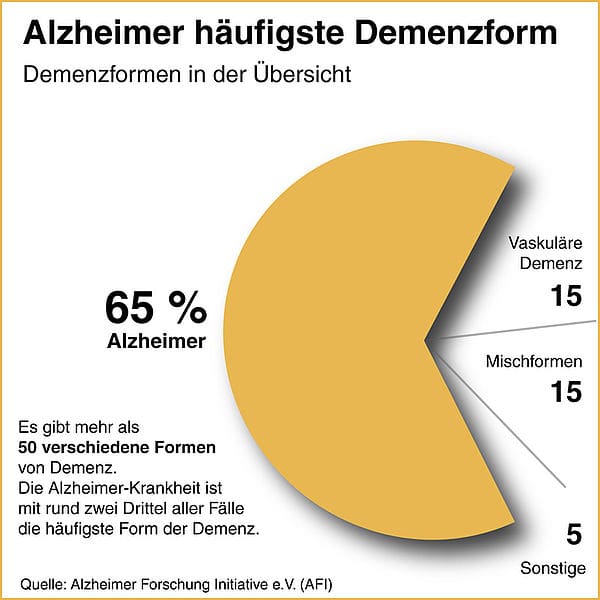
These recommendations underline the importance of a sensitive approach to holidays with dementia patients. In Germany, an estimated 1.8 million people live with dementia, and the number is increasing due to the aging population. Organizations such as the Alzheimer’s Research Initiative contribute to making everyday life easier for those affected and their families through education and support. Such tips can make not only Christmas, but also other celebrations more harmonious by focusing on strengths and remaining skills. By incorporating sensory and memory-based elements, the quality of life is increased while overload is avoided. Ultimately, these approaches promote an inclusive family life that preserves the dignity of the sick and strengthens emotional bonds.
Editor: X-Press Journalistenbüro GbR
Gender Notice. The personal designations used in this text always refer equally to female, male and diverse persons. Double/triple naming and gendered designations are used for better readability. ected.
Most read
 Miraculous fitness probiotic: Roseburia inulinivorans massively improves muscle strength Researchers from the University of Granada, the University of Almería and the Leiden University Medi...
- The personal health check of the UMG laboratory: The detectives of blood The Personal Health Check of the UMG Laboratory (Interdisciplinary Laboratory of the University Medi...
- ASKED: “The new GOÄ is a far greater danger than some people realize” The new fee schedule for doctors (GOÄ) provides for significant cuts for laboratory medicine. DGKL b...