rPPG: AI pulse measurement from videos shows weaknesses in high heartbeat
A study by the University of Bielefeld reveals weaknesses of modern AI methods for measuring pulses from video recordings. The technique of
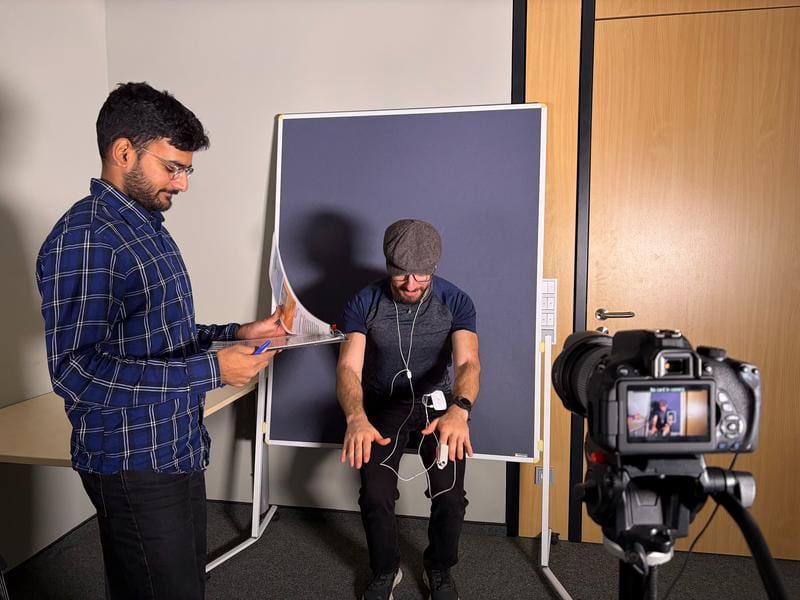
The rPPG technology measures blood flow through optical analysis of facial videos and could relieve medical practices or detect stress in everyday life in the future. To test the reliability of this method, a research team from Bielefeld University investigated the performance of current AI methods under realistic conditions. Unlike previous studies, which mostly used ideal scenarios with good lighting and resting subjects, the team relied on a new data set. This includes low and high heart rates as well as low light conditions to replicate everyday situations.
The results show that dim illumination hardly affects the measurement accuracy. On the other hand, an increased pulse leads to considerable inaccuracies, which make some procedures unusable for telemedicine applications. Especially in critical situations where precise pulse measurement is crucial, the tested methods often fail.
The study highlights the need for more robust AI approaches, as unreliable use in telemedicine poses risks to patients and physicians. Incorrect assessments of stress or heart problems could have serious consequences. The researchers are therefore working on new methods that work reliably even at high heart rates, poor lighting or in people with dark skin.
The results illustrate the potential of contactless pulse measurement, but urge caution in its use. Only with further developed, more robust methods can rPPG find its place in digital healthcare and be reliably used in everyday life. The study thus makes an important contribution to the further development of telemedicine and shows ways in which AI-based diagnostics can be made more secure in the future.
Original Paper:
Read Also:
DGKL strengthens digital competencies: New section for AI and digitalization founded – MedLabPortal
Editor: X-Press Journalistenbüro GbR
Gender Notice. The personal designations used in this text always refer equally to female, male and diverse persons. Double/triple naming and gendered designations are used for better readability. ected.
Most read
 Miraculous fitness probiotic: Roseburia inulinivorans massively improves muscle strength Researchers from the University of Granada, the University of Almería and the Leiden University Medi...
- The personal health check of the UMG laboratory: The detectives of blood The Personal Health Check of the UMG Laboratory (Interdisciplinary Laboratory of the University Medi...
- ASKED: “The new GOÄ is a far greater danger than some people realize” The new fee schedule for doctors (GOÄ) provides for significant cuts for laboratory medicine. DGKL b...