
Prevolution: Health insurance company demands fundamental right to health
In a nationally respected interview with MedLabPortal on January 12, 2026, DGKL CEO Jan Wolter called for the total reset of the German healthcare system – now other players are also rushing forward with fresh ideas: In view of the rising burden of disease, growing financing problems in statutory health insurance and inadequate prevention, the company health insurance fund mkk is pleading for a fundamental paradigm shift in health policy. In a current position paper entitled “Prevolution now: Health belongs in the Basic Law”, the health insurance company calls for the inclusion of an explicit right to physical, mental and emotional health in the Basic Law.
Currently, Article 2 (2) of the Basic Law guarantees the right to life and physical integrity. Based on a constitutional expert opinion, the mkk proposes to expand this passage to include the right to health. Such an anchoring would oblige the state not only to provide health care curatively, but also to systematically protect and promote it through education, prevention and the design of health-promoting living environments. Health would therefore have to be taken into account as a cross-sectional task in all policy areas – even in the event of conflicting goals with other fundamental rights.
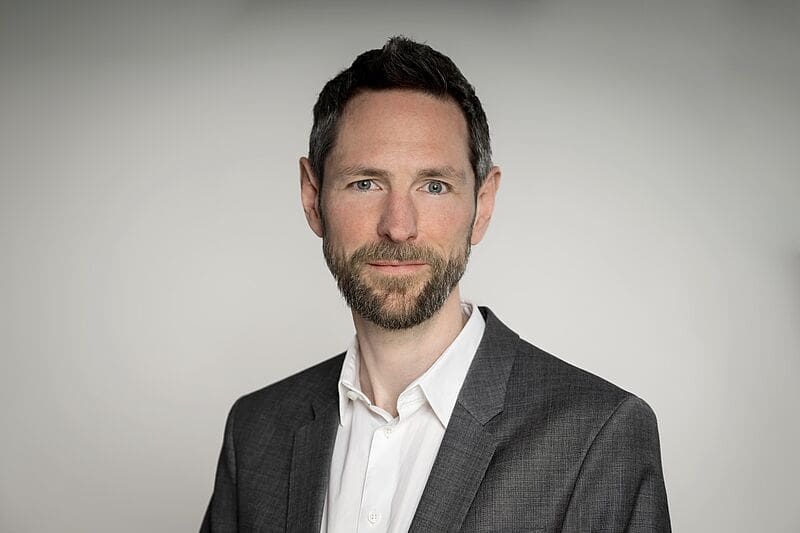
The board member of the mkk, Andrea Galle, together with the emeritus prevention researcher Prof. Dr. Ingo Froböse, has submitted a petition to this effect to the German Bundestag. The aim is to initiate a broad social and political debate and to reassess health as a central prerequisite for quality of life, performance and social stability. The petition committee of the Bundestag will deal with the initiative in the coming weeks before it is released for public signature.
A representative forsa survey commissioned by the mkk shows broad approval among the population: 61 percent of those surveyed are in favor of anchoring the protection of health in the Basic Law in order to oblige politicians to take greater responsibility.
According to the mkk, a “patchwork quilt” of responsibilities between the federal, state and local governments currently dominates in Germany, which leads to conflicts, individual decisions and inefficient use of funds. Health expenditure amounted to 538 billion euros in 2024, most of which went into the treatment of existing diseases. However, many common diseases such as diabetes, obesity, cardiovascular diseases or certain forms of cancer can be avoided or delayed by preventive measures. The German Cancer Research Center estimates that about 40 percent of all cancers could be prevented by a healthy lifestyle.
Andrea Galle emphasizes that the debate should no longer revolve solely around the financing of diseases, but must concentrate on the prevention of diseases. Prevention must change from a “nice to have” to a central pillar of the health system. Proven government instruments such as sugar taxes, higher taxes on alcohol or stricter regulations on harmful products have already had an effect in other countries.
Prof. Ingo Froböse emphasizes that health does not primarily arise in practices and clinics, but in everyday life – in daycare centers, schools, companies and municipalities. Anyone who is serious about prevention must change structures, create health-promoting living conditions and systematically strengthen health literacy from an early age.
With its position paper and petition, the mkk calls for a consistent change of perspective: away from pure repair mode to a preventive health policy that is anchored in a binding manner across departmental boundaries. This is the only way to limit the growing burden of disease in the long term and stabilize the system in the long term.
Editor: X-Press Journalistenbüro GbR
Gender Notice. The personal designations used in this text always refer equally to female, male and diverse persons. Double/triple naming and gendered designations are used for better readability. ected.
Most read
 Interview: KKH CEO Dr. Wolfgang Matz on billing fraud, AI and the future of statutory health insurance In an interview with MedLabPortal , Dr. Wolfgang Matz, Chairman of the Board of Directors of KKH Kau...
- Psychotherapy: National Association of Statutory Health Insurance Funds plans blanket fee reduction of ten percent The professional association unith e.V. warns of an imminent blanket reduction of fees for psychothe...
- Lifesaver laboratory medicine: “As a rule, a result should be available after 60 minutes at the latest for emergencies.” 11.2 is the day of the emergency call - but for laboratory medicine it is only one of 365 days on wh...