NRAHF calls for funding for heart registries
The National Register for Congenital Heart Defects takes stock of the petition “Every heart counts” and appeals to politicians to create reliable funding for medical registers. Although the draft of the Medical Register Act offers a framework, it fails to secure central research resources. Without stable funds, there is a risk of losing the registry, which has been collecting data from 60,000 patients for over 20 years and contributes monthly to publications that are included in guidelines.
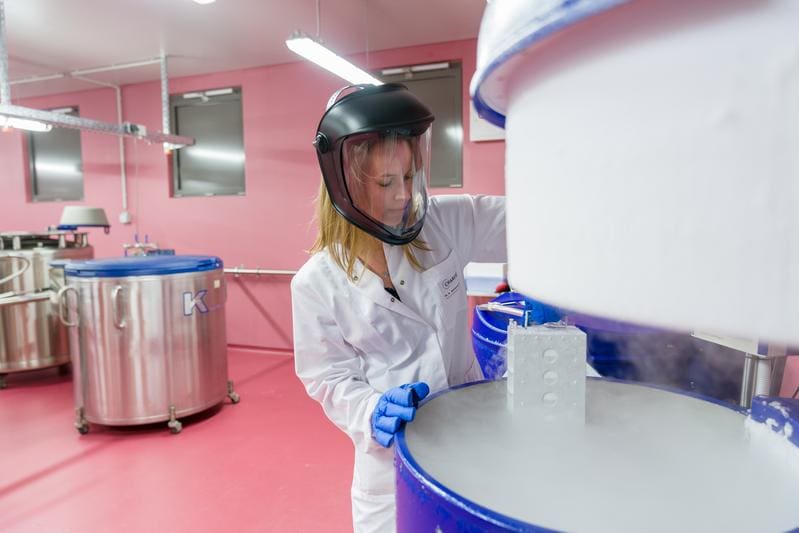
The register is considered a top international resource with over 10,000 biomaterial samples and is cited as a best practice example in a BMG report. Since 2025, there has been a lack of state funding; private foundations and a donation from the German Society for Pediatric Cardiology are temporarily maintaining operations. Around one million euros are needed annually for data protection, digitization and AI-supported analyses. Without protection, Germany risks losing a basis for the care of over 500,000 affected people.
The petition collected 15,430 Bundestag signatures and over 38,000 more via platforms and campaigns. This led to discussions with the Federal Ministry of Research, Technology and Space, which enabled a funding application for the connection of the registry. The German government is strengthening networking and standards, which positions the registry as a pilot for modern research.
Nevertheless, structural financing is missing in the law. The Petitions Committee could recommend by February; the register calls for transitional security and dialogue with members of parliament to ensure evidence-based care. The public response underlines the social relevance.
Editor: X-Press Journalistenbüro GbR
Gender Notice. The personal designations used in this text always refer equally to female, male and diverse persons. Double/triple naming and gendered designations are used for better readability. ected.
Most read
 Miraculous fitness probiotic: Roseburia inulinivorans massively improves muscle strength Researchers from the University of Granada, the University of Almería and the Leiden University Medi...
- The personal health check of the UMG laboratory: The detectives of blood The Personal Health Check of the UMG Laboratory (Interdisciplinary Laboratory of the University Medi...
- ASKED: “The new GOÄ is a far greater danger than some people realize” The new fee schedule for doctors (GOÄ) provides for significant cuts for laboratory medicine. DGKL b...