New blood test diagnoses ALS with high accuracy
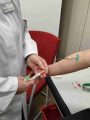
Researchers at the Brain Chemistry Lab in Wyoming have developed a blood test that detects amyotrophic lateral sclerosis with 97 percent accuracy. The test is based on the analysis of microRNA from a single blood sample and is suitable for early diagnosis.
ALS is a rare disease with an incidence of 1.6 per 100,000 adults, which includes about 30,000 cases in the United States. Diagnosis is often delayed, as up to 68 percent of those affected are initially misdiagnosed. Patients are often referred between specialists before an experienced neurologist is consulted.
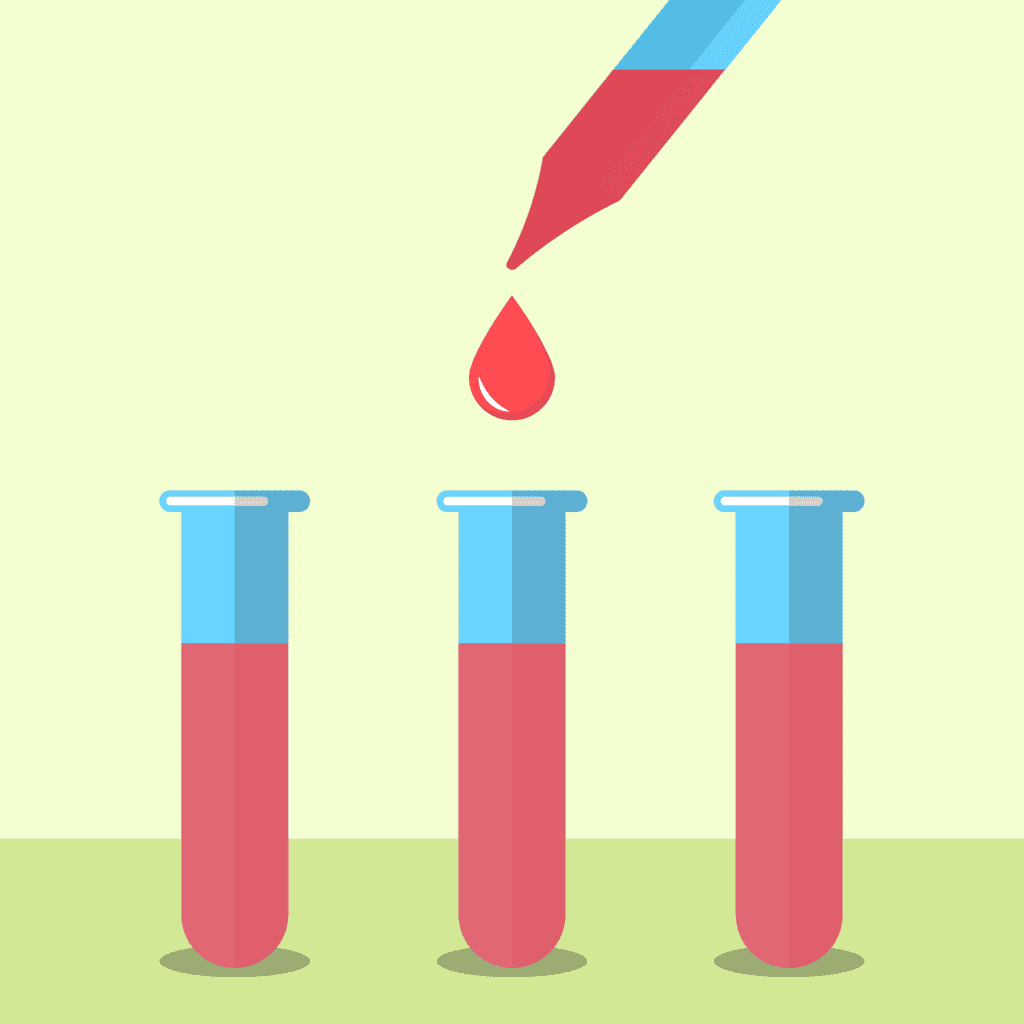
The new test analyzes microRNA sequences that modulate protein production. He was tested on 788 blood samples, including 393 from ALS patients and 395 from healthy controls of the same age and sex. The test identifies ALS cases and rules out the disease in non-affected people. It works equally for sporadic cases, which account for 90 percent, and familial variants.
Early diagnosis allows therapies to be initiated more quickly. In the case of ALS, which is usually fatal within two to five years of the onset of symptoms, a delayed diagnosis shortens treatment options. The non-profit laboratory is now looking for a partner to commercialize the test.
The results were presented at an international symposium and are based on ethnobotanical studies on neurological diseases. The laboratory focuses on the prevention, diagnosis and treatment of neurodegenerative diseases such as Alzheimer’s, Parkinson’s and ALS.
Original Paper:
Editor: X-Press Journalistenbüro GbR
Gender Notice. The personal designations used in this text always refer equally to female, male and diverse persons. Double/triple naming and gendered designations are used for better readability. ected.
Most read
 Miraculous fitness probiotic: Roseburia inulinivorans massively improves muscle strength Researchers from the University of Granada, the University of Almería and the Leiden University Medi...
- The personal health check of the UMG laboratory: The detectives of blood The Personal Health Check of the UMG Laboratory (Interdisciplinary Laboratory of the University Medi...
- ASKED: “The new GOÄ is a far greater danger than some people realize” The new fee schedule for doctors (GOÄ) provides for significant cuts for laboratory medicine. DGKL b...