
mRNA revitalizes aging immune system in mice
Researchers from the German Cancer Research Center, the Stem Cell Institute HI-STEM and the Broad Institute have developed an mRNA-based method to rejuvenate the weakened immune system of older mice. The highlight: The liver temporarily becomes a source of missing immunoregulatory factors, which boosts T cell formation and strengthens immune reactions.
As we age, the thymus shrinks, resulting in fewer T cells and weaker immune responses. The team identified three decreasing signals: notch, FLT3 ligand and interleukin-7. These are produced via mRNA in lipid nanoparticles in liver cells.
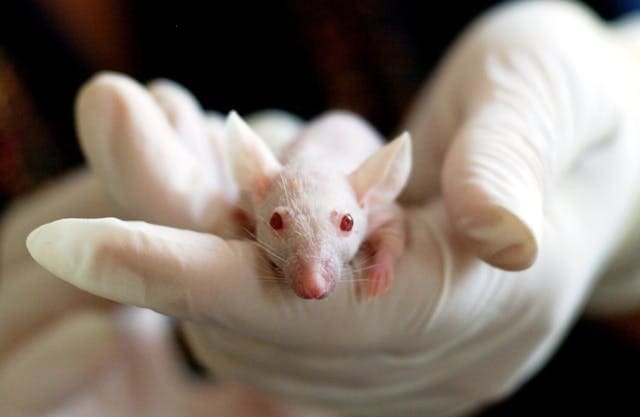
The results now observed are astonishing: Older mice produce more naïve T cells, fend off infections better and react more strongly to vaccinations. Tumors are fought more effectively, especially with checkpoint inhibitors; aggressive melanomas disappeared completely.
However, the effect is temporary, without autoimmunity or liver damage. The study, published in Nature, sees potential for extensions to other age-related deficits.
Original Paper:
Transient hepatic reconstitution of trophic factors enhances aged immunity | Nature
Editor: X-Press Journalistenbüro GbR
Gender Notice. The personal designations used in this text always refer equally to female, male and diverse persons. Double/triple naming and gendered designations are used for better readability. ected.
Most read
 Miraculous fitness probiotic: Roseburia inulinivorans massively improves muscle strength Researchers from the University of Granada, the University of Almería and the Leiden University Medi...
- The personal health check of the UMG laboratory: The detectives of blood The Personal Health Check of the UMG Laboratory (Interdisciplinary Laboratory of the University Medi...
- ASKED: “The new GOÄ is a far greater danger than some people realize” The new fee schedule for doctors (GOÄ) provides for significant cuts for laboratory medicine. DGKL b...