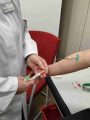
Laboratory medicine: DGKL CEO Jan Wolter calls for state-financed storage capacities
In the brand-new MedLabPortal interview with DGKL CEO Jan Wolter, it becomes clear that the true Achilles’ heel of German laboratory medicine lies in global supply chains – and in the dramatic dependence on non-EU countries. Wolter therefore unequivocally demands: local production, state-funded storage capacities and a rethink in the direction of strategic resilience.
MedLabPortal: Mr. Wolter, Germany is currently debating fiercely whether our intelligence services should be secret services in the future – as the chairman of a medical-scientific society like the DGKL, do you feel better protected against hybrid attacks and acts of sabotage by more real secret agents?
Wolter: Our security architecture is not prepared for the current challenges. However, this is less due to the operational powers of the Federal Office for the Protection of the Constitution. And we must not focus only on authorities and their powers in the discussion. Clinics and laboratories are pretty much left alone when it comes to securing their facilities, whether physical or digital. There should be more support from the state.
MedLabPortal: You already pointed out the risks and possible solutions in the field of cyber threats for laboratory medicine last year, causing a nationwide sensation when you called for the introduction of the Cybercent (we reported). However, this alone will be of little help if one day entire supply chains from abroad collapse because heads of state in distant countries may just want to. How would you minimize this risk?
Wolter: The sensation could have been greater: Unfortunately, nothing has happened here. The financial situation of hospitals is getting worse and worse, and at the same time the need for safety precautions is increasing. But you are addressing an absolutely important point, namely the security of supply chains. For laboratory analysis, you need reagents. Without this, the analyzer is worthless. Now, however, a significant proportion of the reagents are imported from non-EU countries. This dependence is an enormous risk. Disrupted supply routes, whether due to natural disasters, wars or terror, increasing global demand, for example due to a pandemic, or political instability in the countries of origin can lead to shortages, price increases or a complete failure. We therefore need production capacities on site.
MedLabPortal: Do we understand you correctly? Large companies in the laboratory diagnostics and pharmaceutical industries should step in for us in the event of a crisis?
Wolter: Yes. Germany and Europe continue to be a strong location for biotech, pharmaceuticals and medical technology. We have the necessary know-how. And of course it would also create jobs.
MedLabPortal: But why should a multinational corporation that is committed to its shareholders invest in warehousing logistics and production facilities?
Wolter: Because he is paid accordingly for it. If production in Germany causes higher costs than in other parts of the world, this must be remunerated accordingly. This should not be financed from health insurance contributions, but from tax revenues. Just as we keep fire engines, sandbags and fuel and much more, we should also keep it with medicines and reagents. Whereby stockpiling would be too short-sighted. After all, this can only bridge a limited period of time if, for example, delivery routes are disrupted. However, we are now realizing that we can rely on fewer and fewer partners in the world and should therefore urgently reduce our dependencies.
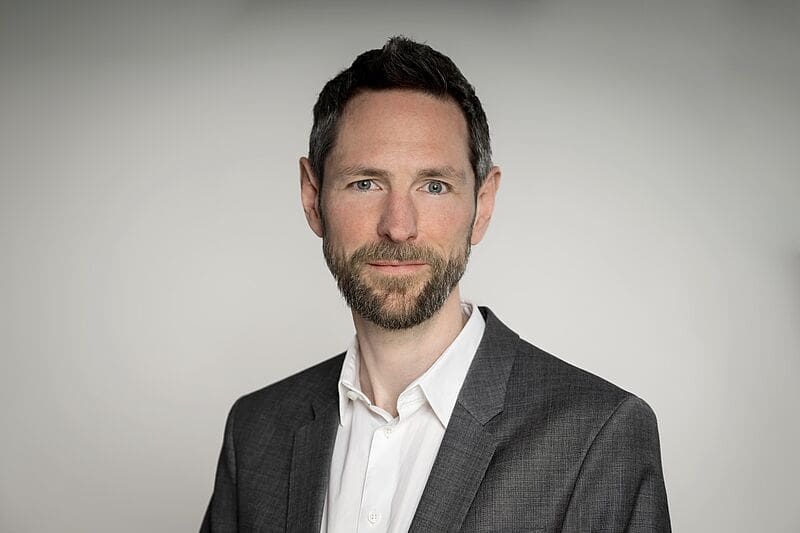
MedLabPortal: As a board member of the DGKL, you talk to CEOs and political decision-makers in the laboratory industry. What is the current mood in view of the threat situation you have outlined?
Wolter: The more and more intensively you think about it, the higher the pressure to act. The threats are manifold. Previously reliable allies are turning into adversaries, rival states are becoming more aggressive, global debt is growing dramatically, countries are becoming more unstable. In addition, there are dramatic consequences of climate change. Extreme weather events are an enormous burden on people, the environment, infrastructure, financial and insurance markets. This can certainly lead to worry lines on the forehead of a company boss. And the point is this: If laboratory medicine fails, then many things in the health system will also come to a standstill. Without a confirmed diagnosis, without therapy monitoring, you are fishing over there. In case of doubt, this means more and longer cases of illness.
MedLabPortal: If, as you just said, the failure of laboratory medicine leads to a massive loss of Germany’s production capacity due to the lack of diagnoses, because more workers will simply remain ill – isn’t laboratory medicine systemically more important than an armoured brigade in Lithuania?
Wolter: I fear that in the current situation we will not be able to do without either of them.
MedLabPortal: In terms of civil protection, on the other hand, the German government relies on education: We know exactly how many cans of ravioli are needed for emergencies. Should we also stock up on POCT – as home tests for various diseases – in the basement in the future?
Wolter: I would advise against that. We should leave testing to professionals who know when to test and how for what.
MedLabPortal: Mr. Wolter, thank you very much for your time!
The questions were asked by Vlad Georgescu
Editor: X-Press Journalistenbüro GbR
Gender Notice. The personal designations used in this text always refer equally to female, male and diverse persons. Double/triple naming and gendered designations are used for better readability. ected.
Most read
 Miraculous fitness probiotic: Roseburia inulinivorans massively improves muscle strength Researchers from the University of Granada, the University of Almería and the Leiden University Medi...
- The personal health check of the UMG laboratory: The detectives of blood The Personal Health Check of the UMG Laboratory (Interdisciplinary Laboratory of the University Medi...
- ASKED: “The new GOÄ is a far greater danger than some people realize” The new fee schedule for doctors (GOÄ) provides for significant cuts for laboratory medicine. DGKL b...