
Implant allergies: Risk is often overestimated
People with nickel or chromium allergies often fear complications with artificial hip or knee joints. However, a review by the German Society for Endoprosthetics (AE) shows that a skin allergy does not automatically mean implant incompatibility.
A contact allergy of the skin, for example due to costume jewelry, only indicates sensitization. Whether the body reacts to an implant only becomes apparent after implantation. Such peri-implant hypersensitivities are immunological reactions in the tissue that can only be detected by histological examinations. Routine allergy tests before surgery are therefore not necessary, as they do not allow a reliable prediction.
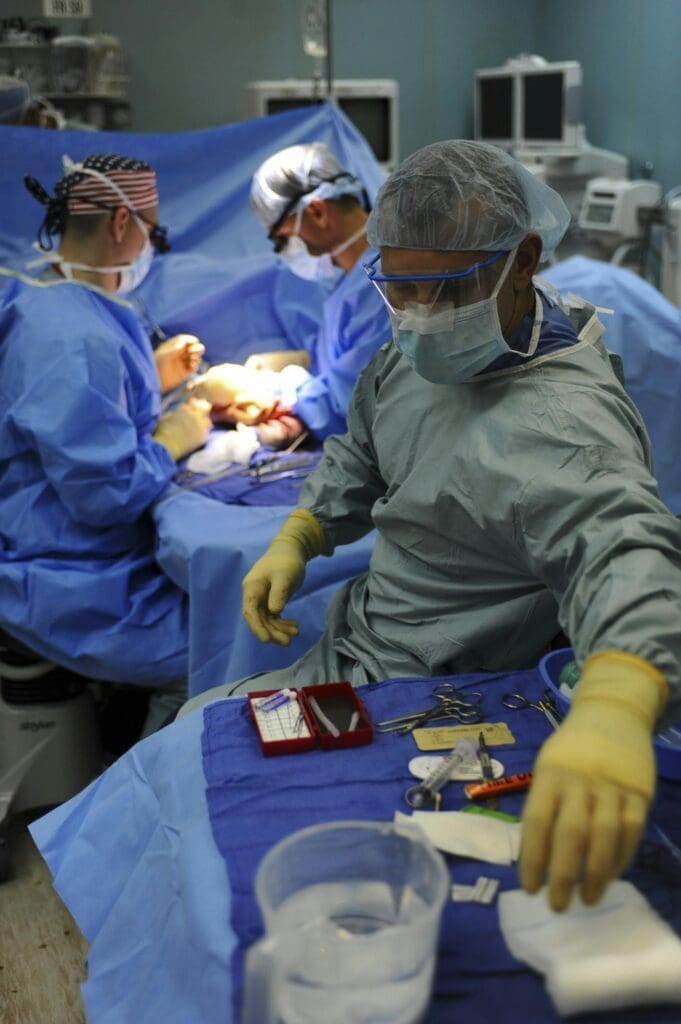
The AE recommends a phased approach: allergy tests only if there is a clear history, exclusion of other causes such as infections in the case of symptoms and the diagnosis of an implant allergy as an exclusion diagnosis. Hypoallergenic implants, such as titanium or ceramic-based, are an option, but carry risks due to less surgical experience and a lack of long-term data.
Precise surgical technique, appropriate choice of materials and factual information are decisive. The AE emphasizes that sensitized patients can achieve excellent results if they follow the right approach. Further research on sensitization and implant failure as well as interdisciplinary cooperation are intended to increase the safety of endoprostheses.
Original Paper:
Thieme E-Journals – Orthopaedics and Trauma Surgery up2date / Abstract
Editor: X-Press Journalistenbüro GbR
Gender Notice. The personal designations used in this text always refer equally to female, male and diverse persons. Double/triple naming and gendered designations are used for better readability. ected.
Most read
 Innovative substance against periodontitis specifically blocks harmful bacteria Fraunhofer researchers have developed a substance that inhibits harmful bacteria in periodontitis wi...
- “Erstmals verbinden wir damit zwei Einrichtungen über eine Strecke von mehr als 1.600 Metern – quasi ein Weltrekord” Das Universitätsklinikum Ulm hat ein Transportsystem für Laborproben implementiert, das die Labormed...
- New metabolic BMI enables more accurate risk assessment for metabolic diseases Researchers at the Universities of Leipzig and Gothenburg have developed an AI-based computational m...