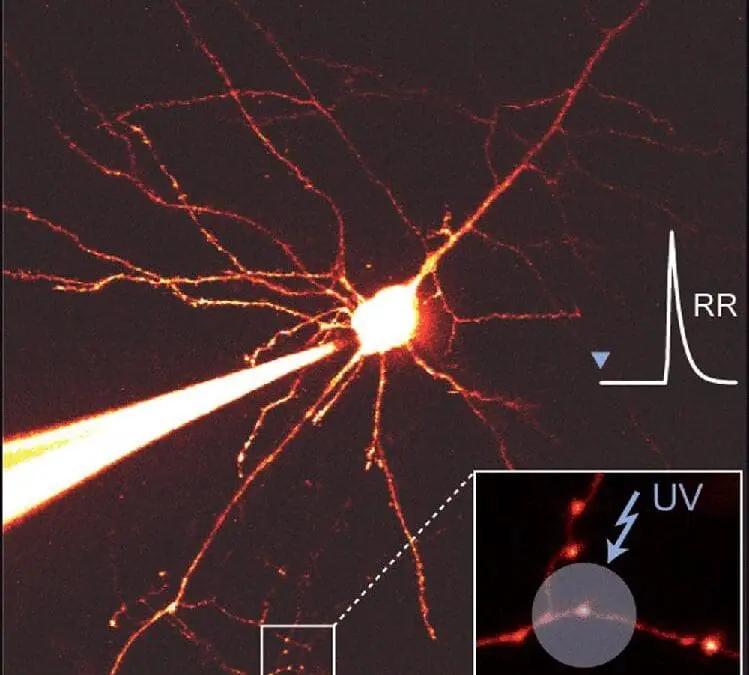
Reliable signal transmission in the brain: new findings from Leipzig
Researchers at the Carl Ludwig Institute of the University of Leipzig have discovered that signal transmission between nerve cells in the cerebral cortex functions reliably even at low calcium concentrations - in contrast to the posterior brain area. These findings,...
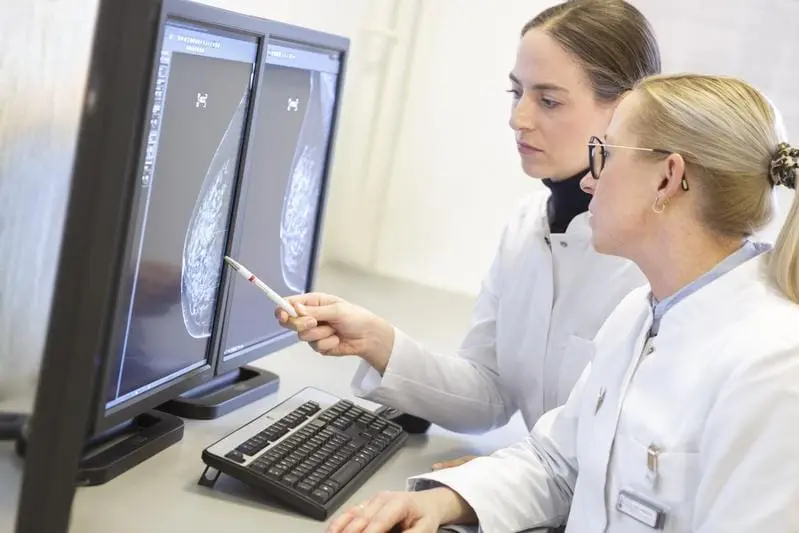
Mammography screening significantly increases detection of early breast cancer cases
The German mammography screening program is proving successful: regular participation leads to a higher detection rate of small, prognostically favorable breast carcinomas. Current evaluations show that of around 2.9 million women screened - a participation rate of...
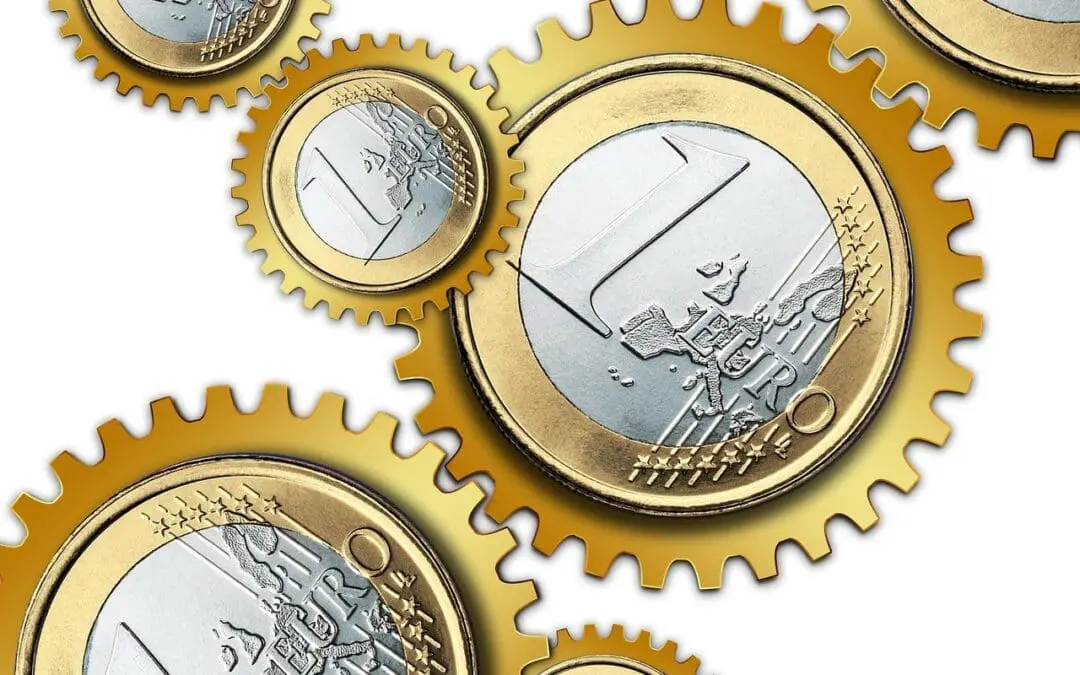
Wilhelm Sander Foundation funds innovative cancer research with 1.3 million euros
The Wilhelm Sander Foundation is driving cancer research forward: in the second quarter of 2025, it is supporting seven projects with 1.3 million euros. The funded projects at renowned institutions in Germany and Switzerland focus on therapy resistance, personalized...
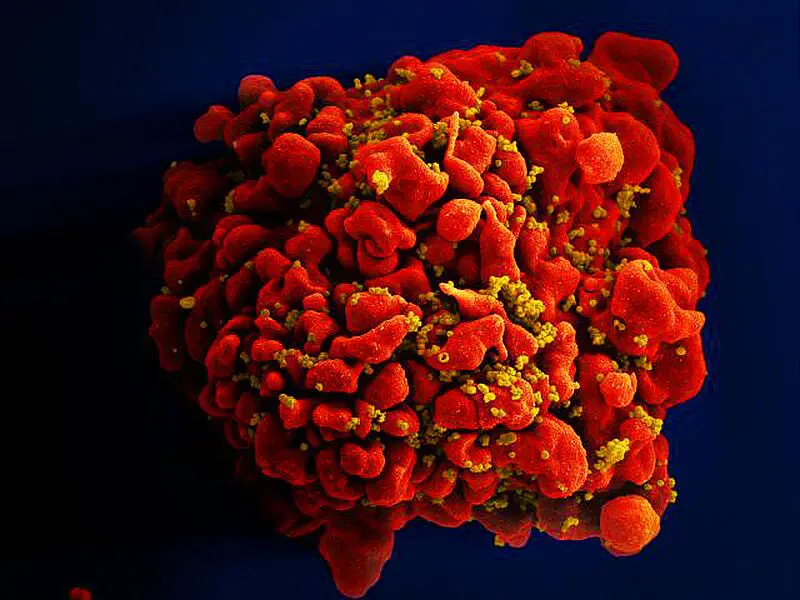
Immunotherapies save lives, but require specialized care
Modern immunotherapies, in particular checkpoint inhibitors, have revolutionized cancer treatment by activating the body's own immune defence against tumours such as black skin cancer or renal cell cancer. However, the therapy carries risks: Up to 40 percent of...
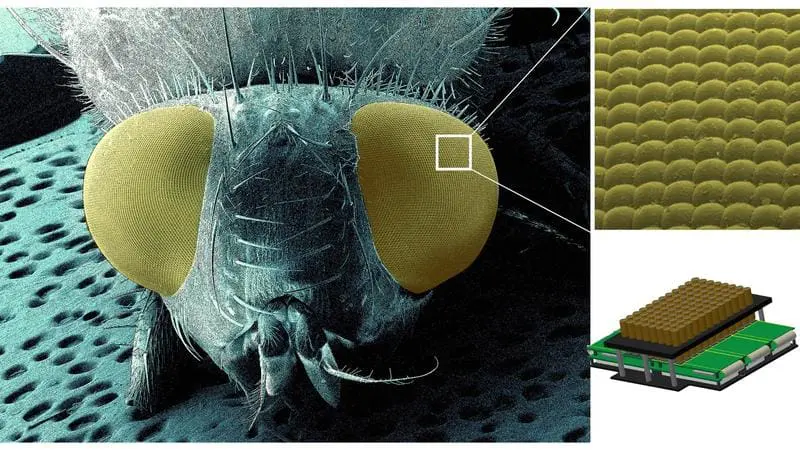
Revolutionary “ComplexEye” microscope: Immune cells 96 times faster in sight
A slipped knife, a small cut - and immune cells immediately rush to fight invading bacteria. This rapid reaction of the body inspired Prof. Dr. Matthias Gunzer from the Faculty of Medicine at the University of Duisburg-Essen (UDE) to develop a groundbreaking...

Prostate cancer: New S3 guideline focuses on laboratory medicine, MRI diagnostics and active monitoring
The revised S3 guideline on prostate cancer, published by the Oncology Guideline Program and funded by German Cancer Aid, brings groundbreaking changes for early detection, diagnosis and treatment. With around 74,900 new cases in 2022, prostate cancer is the most...
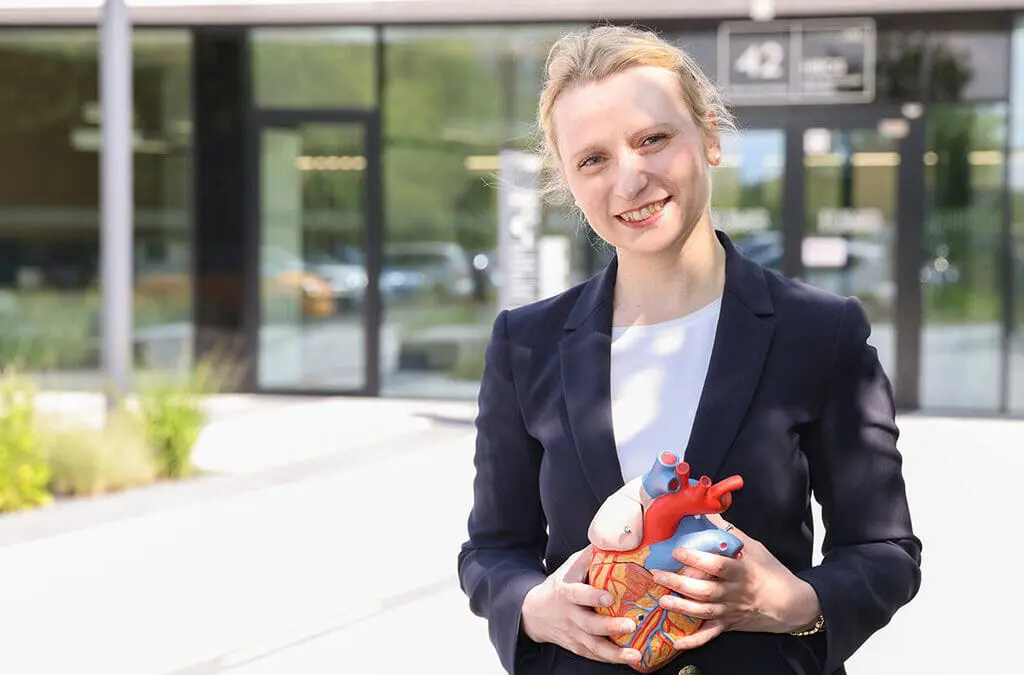
PRESENTED: How Germany’s first and only female university professor of cardiology is driving translational medicine forward
Prof. Dr. Constanze Schmidt has been University Professor of Cardiology at the Göttingen Medical Faculty and Director of the Department of Cardiology and Pneumology at the University Medical Center Göttingen (UMG) since 1 July 2025. She succeeds Prof. Dr. Gerd...
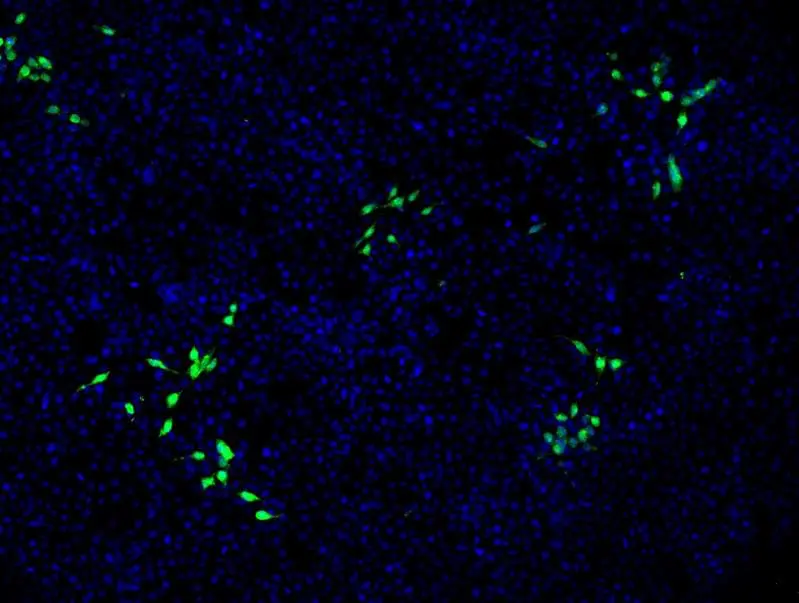
Hepatitis E virus also affects kidney cells: New findings complicate therapy
The hepatitis E virus (HEV), known to cause severe liver inflammation, is more versatile than previously assumed. A research team from Ruhr University Bochum and the TWINCORE Center for Experimental and Clinical Infection Research in Hanover has shown for the first...
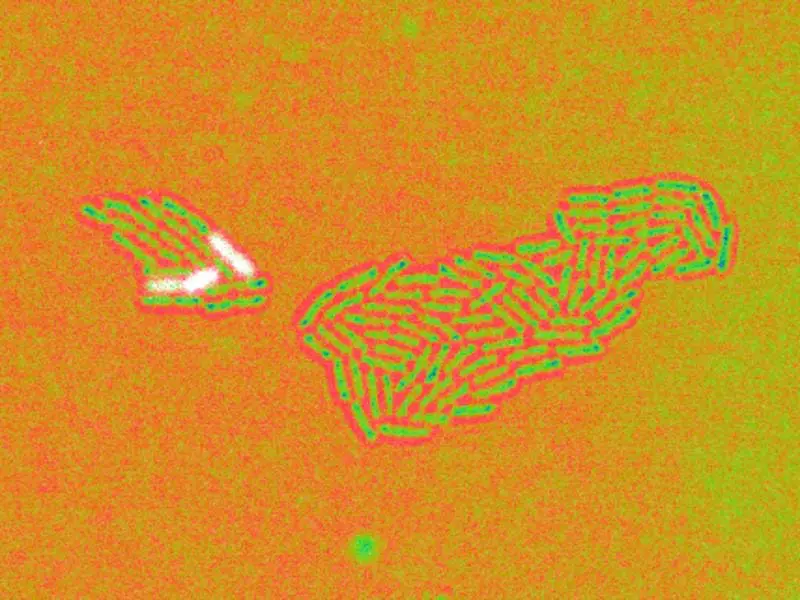
Pseudomonas aeruginosa: Helmholtz Center deciphers survival strategy of the hospital germ
The bacterium Pseudomonas aeruginosa, a dreaded hospital germ, has a clever trick for successfully establishing infections in the human body. An international research team led by the Helmholtz Centre for Infection Research (HZI) has now discovered that the pathogen...
New therapeutic approach revolutionizes treatment of type 2 diabetes
A breakthrough in diabetes research could fundamentally change the treatment of type 2 diabetes. Scientists at the Dr. Margarete Fischer-Bosch Institute for Clinical Pharmacology (IKP) in Stuttgart, in collaboration with international partners including the Karolinska...