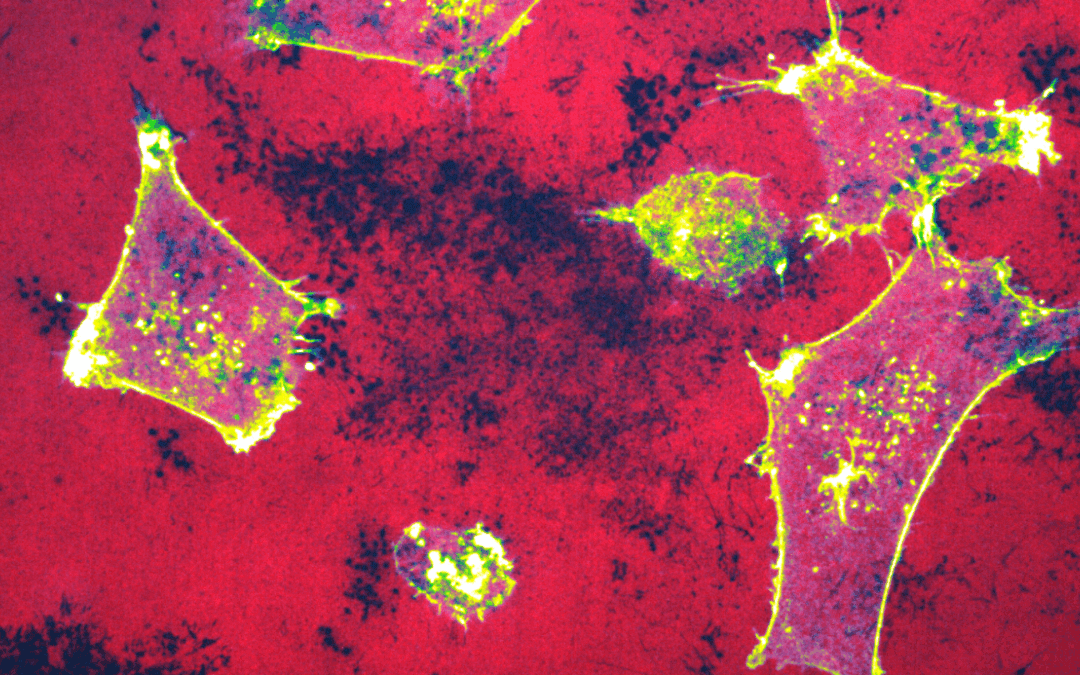
MiROM technology enables rapid evaluation of cancer treatments without markers
Researchers from Helmholtz Munich and the Technical University of Munich have developed an innovative method to visualize the progression and effectiveness of cancer treatments directly at the single-cell level - without the use of dyes or molecular markers. The...
New labeling system for bioimaging: SNAP-tag2 accelerates and improves fluorescence analysis
With the development of the SNAP-tag2 protein and optimized substrates, researchers at the Max Planck Institute for Medical Research in Heidelberg have made significant progress in the field of bioimaging. The new technology makes it possible to label proteins in...

New technology improves diagnostics for metastatic colorectal cancer
A clinical pilot study by biotechnology company Genomill Health, published in Scientific Reports, shows that Bridge Capture™ technology can reliably detect important mutations in blood samples from patients with metastatic colorectal cancer. This development could...
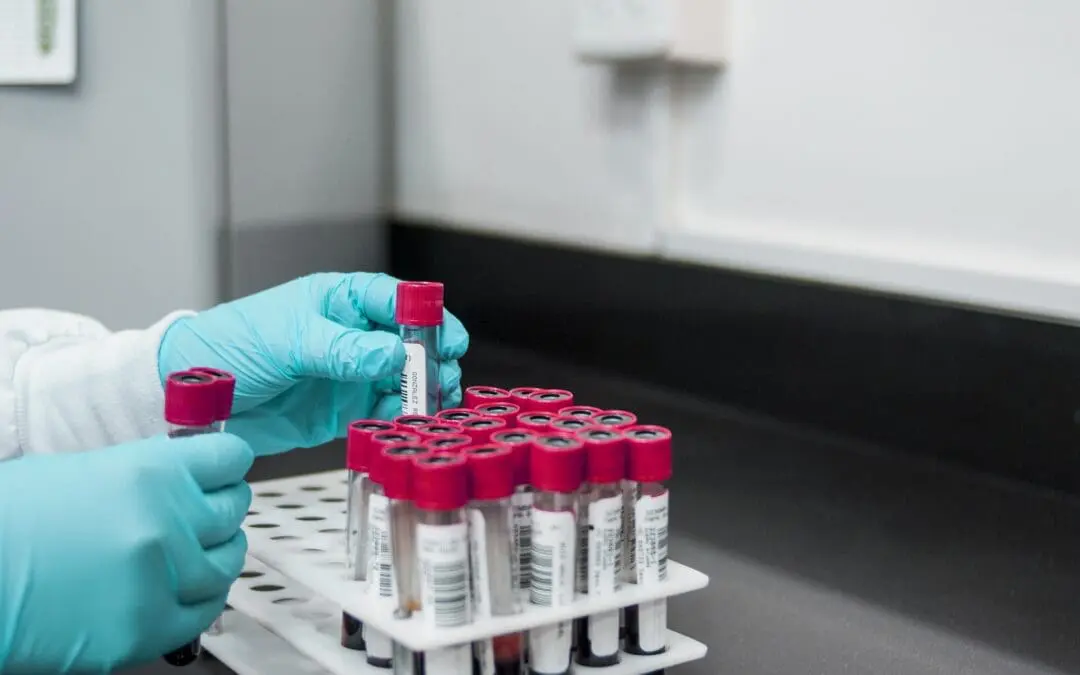
Diagnoodle makes searching for diagnostic products transparent and free of charge
Although diagnostics play a key role in medical care, the market is difficult to understand for many healthcare professionals. While there are comparison portals for hotels or headphones, there is often a lack of transparency in the diagnostics sector. The...

Swiss researchers decode Spanish flu virus genome
Researchers from the Universities of Basel and Zurich have reconstructed the viral genome of the 1918-1920 Spanish flu in Switzerland for the first time. The analysis of a more than 100-year-old virus from a historical specimen in the medical collection of the...

New therapeutic approach to combat complications after bone marrow transplantation
Researchers at Friedrich-Alexander-Universität Erlangen-Nürnberg (FAU ) have developed a promising approach for the treatment of graft-versus-host disease (GvHD), a dangerous complication following bone marrow transplants. This transplant is the only chance of a cure...

New approach in ageing research focuses on prevention and resilience
Ageing is the main risk factor for diseases such as cancer, dementia and cardiovascular diseases. A discussion paper by the German National Academy of Sciences Leopoldina calls for a paradigm shift in research and medical care. Instead of just treating the symptoms of...
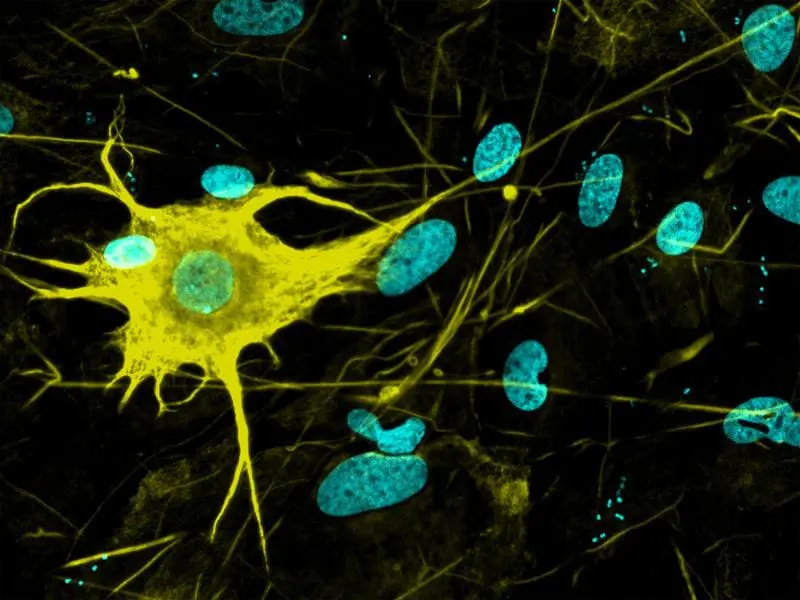
Groundbreaking: 400 nerve cell types produced from stem cells
Researchers at ETH Zurich have succeeded for the first time in producing over 400 different types of nerve cells from human stem cells in a petri dish. This breakthrough will make it possible to study neurological diseases in cell cultures instead of animal...
Hematology instruments don’t speak the same language: a comparison study between flagging messages of sysmex XN-1000 and alinity H
While manual review is the gold standard, automated hematology analyzers are increasingly used. This study assessed the efficiency of white blood cell (WBC)-related flagging messages from the Sysmex XN-1000 and Alinity hq analyzers compared to peripheral blood smear...
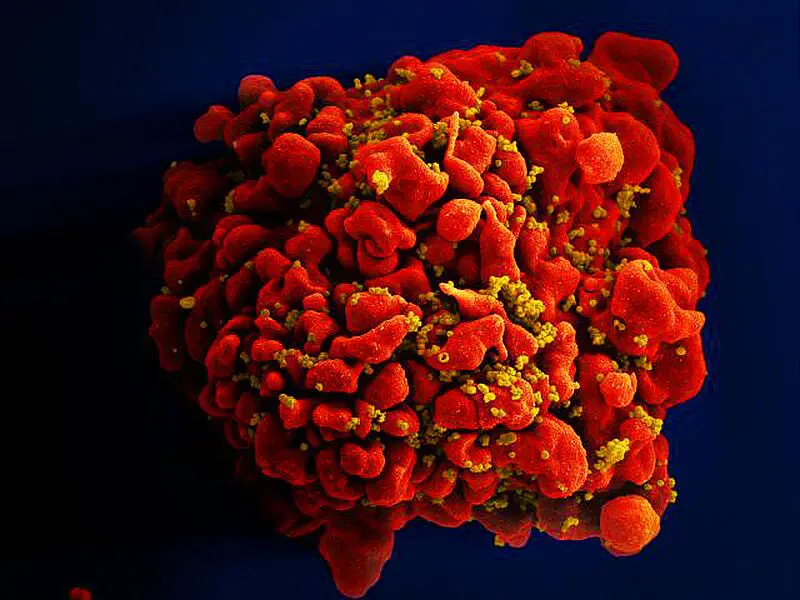
Expert report warns of impending supply bottlenecks in HIV treatment
A report on HIV care in Germany presented yesterday in Berlin sounds the alarm: by 2035, there could be a shortage of up to 130 specialized HIV doctors to meet the growing demand for high-quality care. This corresponds to around 26 percent of the required specialists....