
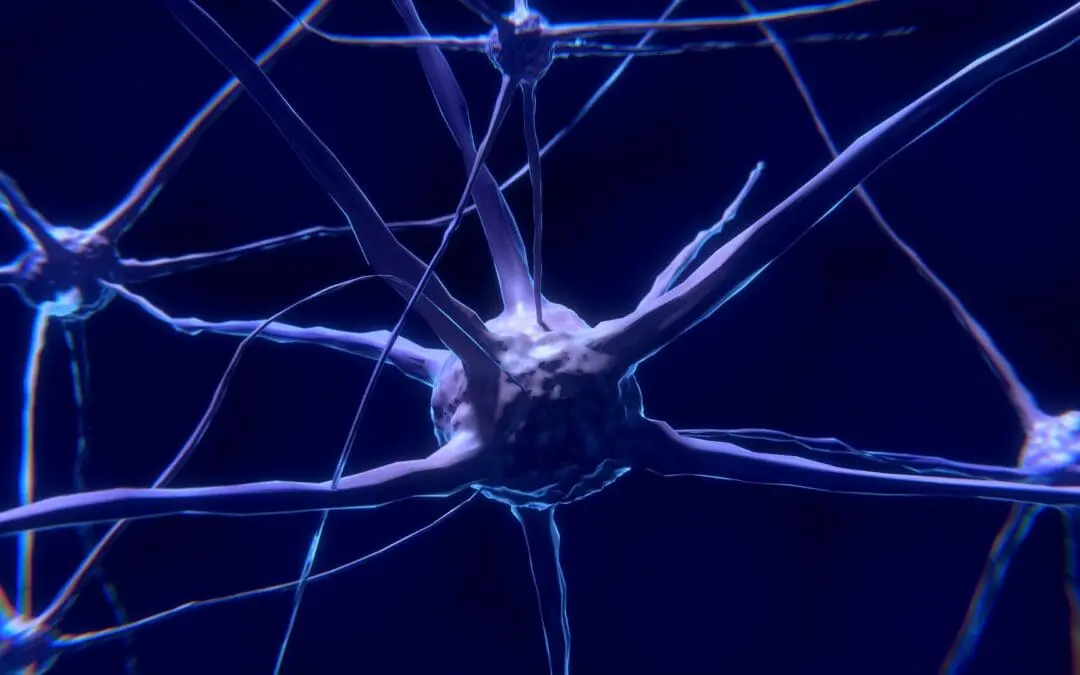
Progress in glioblastoma therapy: Temsirolimus shows success in multicenter study
Researchers from the Medical Faculty of Heidelberg, the German Cancer Research Center (DKFZ) and the National Center for Tumor Diseases (NCT) Heidelberg have investigated the efficacy of targeted drugs in newly diagnosed glioblastoma in the multicenter Phase 1/2 study...
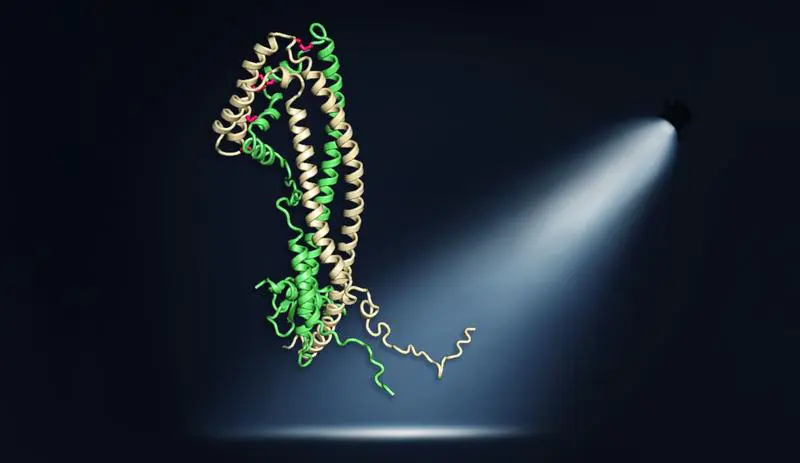
Breakthrough in Alzheimer’s research: Structure of clusterin deciphered
A research team from the Max Planck Institute of Biochemistry has elucidated the three-dimensional crystal structure of the human protein clusterin for the first time using X-ray crystallography. The study shows that clusterin consists of three domains, with two...

Broermann Medical Innovation Award 2026: Nomination phase started
The nomination phase for the Broermann Medical Innovation Award 2026 has begun. With an endowment of one million euros, the prize is one of the world's most important awards for medical research. Scientists worldwide who are pioneering in medicine, biotechnology or...
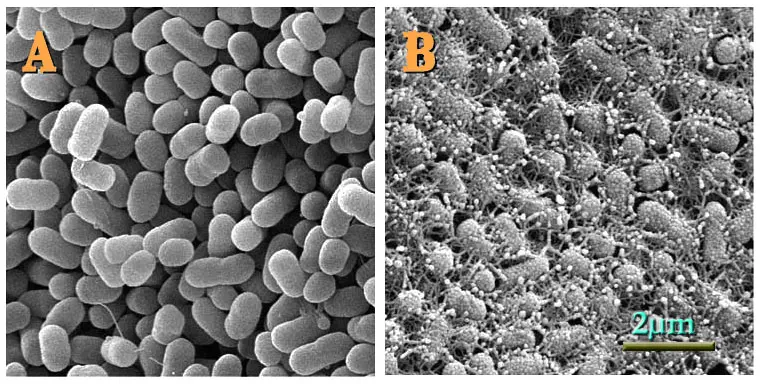
MedLab guide: How to protect your children from EHEC
Enterohaemorrhagic Escherichia coli (EHEC) are bacteria that can cause serious intestinal infections. Children in particular are at risk due to their still developing immune system. Infection usually occurs via contaminated food, water or direct contact with infected...
TUM develops micro-hollow bodies of mucus and polydopamine for drug release
Researchers at the Technical University of Munich (TUM) have developed a new system for drug release: micro-hollow bodies made of mucin and polydopamine. These enable a controlled release of active ingredients to hard-to-reach parts of the body such as the oral mucosa...

Fraunhofer project develops rapid test against antibiotic resistance
A transatlantic research project of the Fraunhofer Institutes aims to combat the growing threat of antibiotic-resistant bacteria with an innovative rapid test system. The microfluidic system uses carbon nanotubes to detect bacterial resistance in a matter of minutes,...
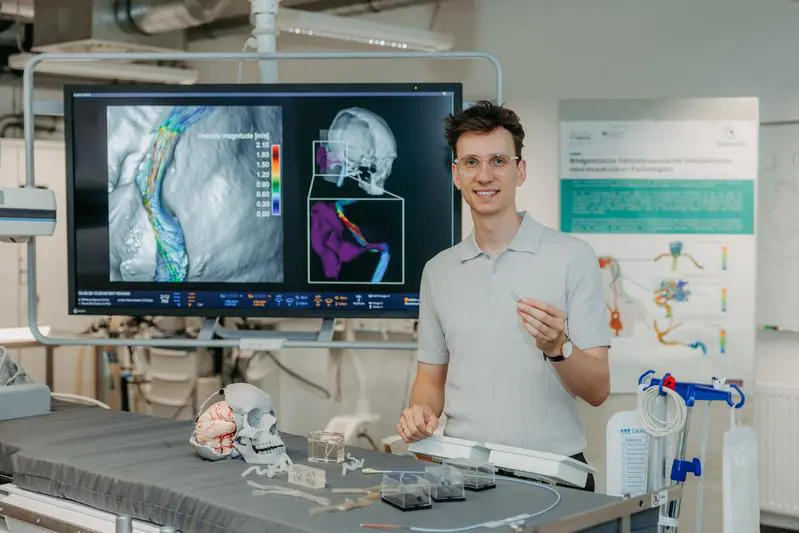
Otto von Guericke University: New Approaches to the Diagnosis and Treatment of Pulse-Synchronous Tinnitus
Medical engineers at the Otto von Guericke University Magdeburg have simulated the mechanism of pulse-synchronous tinnitus in patient-specific computer models for the first time. The study, conducted at the STIMULATE research campus under the direction of Janneck...

Leopoldina honours Kai Simons with Cothenius Medal for pioneering work in cell biology
The German National Academy of Sciences Leopoldina honors the Finnish biochemist Prof. Dr. Kai Simons with the Cothenius Medal for his outstanding scientific life's work. The award ceremony will take place on 25 September 2025 as part of the Leopoldina Annual Assembly...
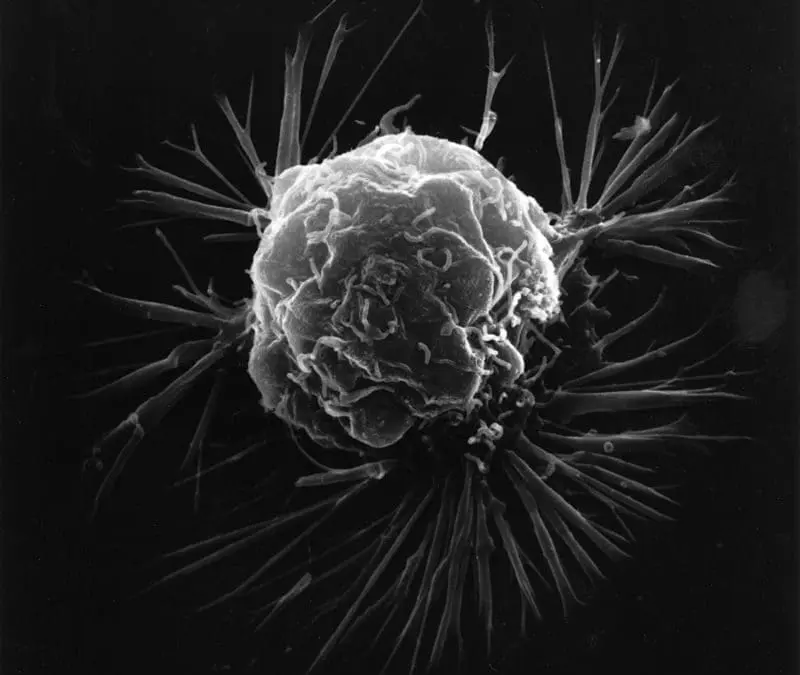
HSF2 mechanism discovered in breast cancer progression
A research team led by Professor Lea Sistonen at Åbo Akademi University in Finland has identified a new molecular mechanism that controls the progression of breast cancer. The results could improve the diagnosis and treatment of breast cancer. Breast cancer is caused...
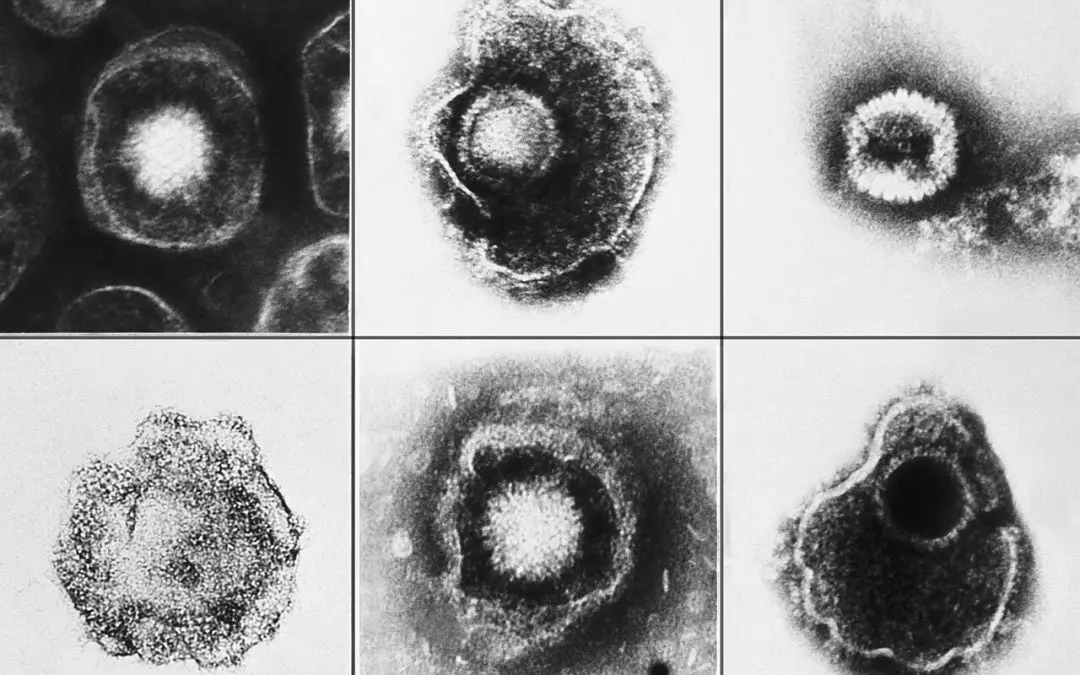
Hamburg and Göttingen researchers discover nanobody against herpes virus
Researchers at the Leibniz Institute of Virology (LIV), the University of Hamburg (UHH), the University Medical Center Hamburg-Eppendorf (UKE) and the Max Planck Institute for Multidisciplinary Sciences in Göttingen have developed a mini-antibody that can neutralize...