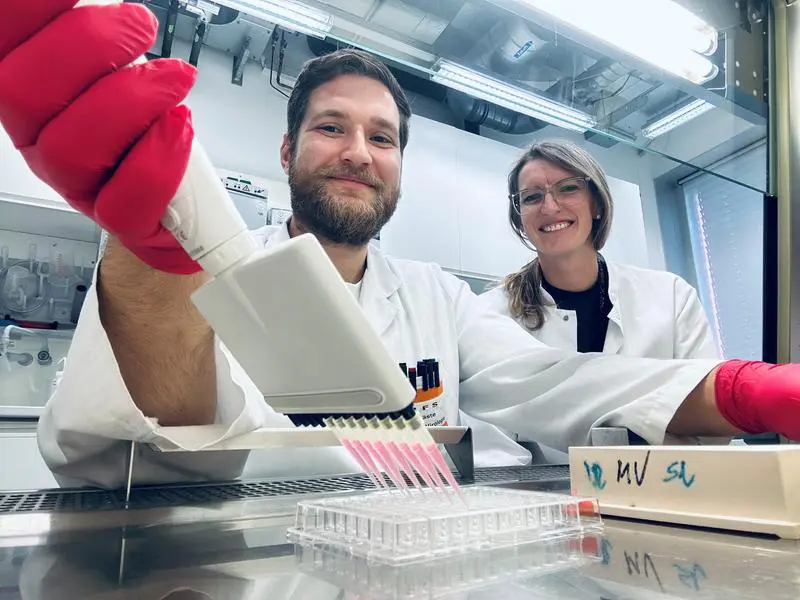
Sphingolipids control formation of coronavirus replication organelles
A research team from Justus Liebig University Giessen and Freie Universität Berlin has uncovered central mechanisms by which coronaviruses reprogram the cells of their hosts. The scientists were able to show that sphingolipids and especially the enzyme group of...

New handbook sheds light on the impact of digital technologies on health
A comprehensive handbook entitled Digital Public Health – Interdisciplinary Perspectives analyzes the impact of digital technologies on public health. Edited by Prof. Dr. Hajo Zeeb and researchers from Bremen, the work combines perspectives from health, information...

New marker for the early detection of suicide risks in depression
On World Suicide Prevention Day on September 10, 2025, a team of researchers from the Brandenburg Medical School Theodor Fontane (MHB) will present a new method for the early detection of suicidal thoughts in patients with severe depression. The study, published in...

Home dialysis: a solution to a shortage of skilled workers and a better quality of life
In Germany, about 100,000 people are dependent on regular dialysis because their kidney function is severely limited or absent. This vital treatment is cost- and personnel-intensive, especially in view of the increasing shortage of skilled workers in the health care...
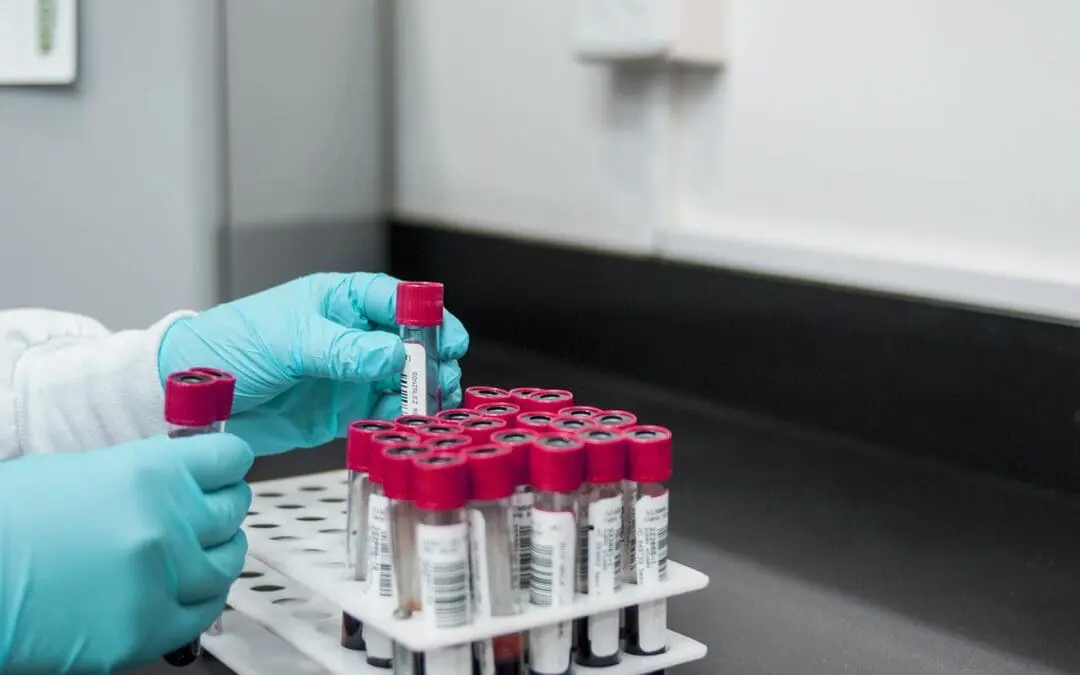
Editorial: Political crisis in France threatens European laboratory medicine
The political instability in France, triggered by the vote of no confidence against Prime Minister François Bayrou on 8 September 2025, is increasingly affecting the healthcare sector and laboratory medicine in particular. The crisis, resulting from disputes over the...
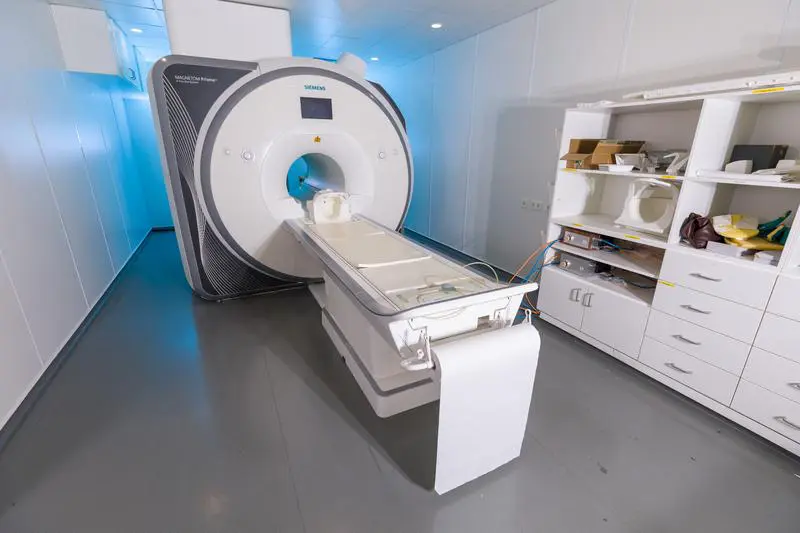
Brain processes colors similarly in all people
Researchers at the Max Planck Institute for Biological Cybernetics and the University of Tübingen have shown in a study that human brain activity shows comparable patterns in color vision. The findings, published in the Journal of Neuroscience, show that the visual...
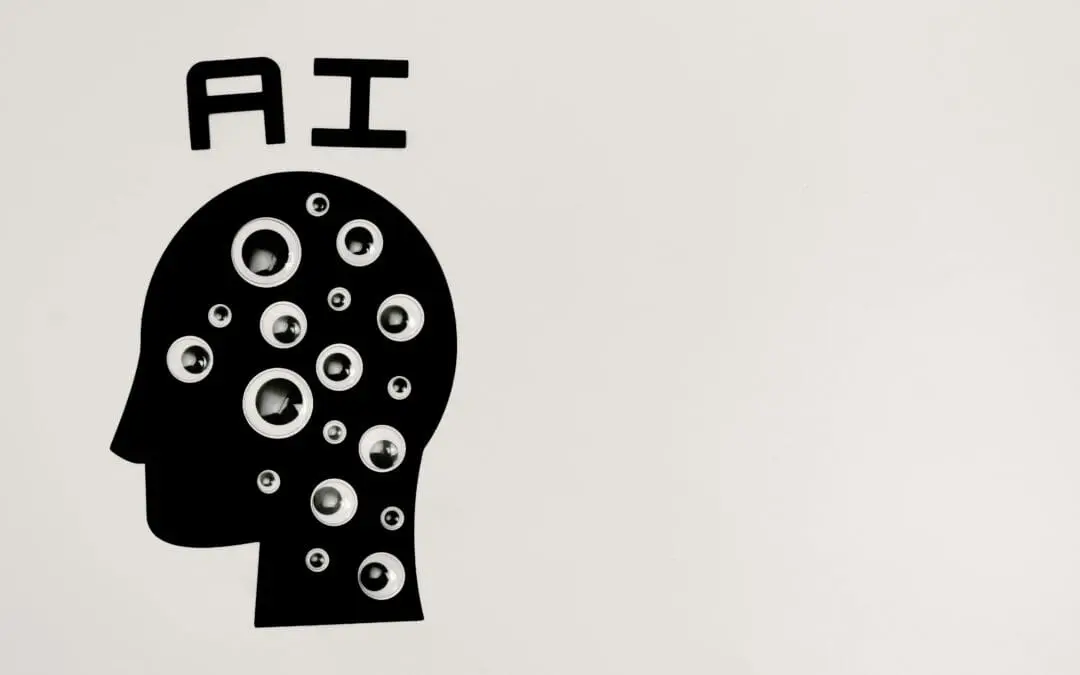
Artificial intelligence in the focus of the Leopoldina Annual Assembly 2025 in Halle
The German National Academy of Sciences Leopoldina dedicates its Annual Meeting 2025 to 25. and 26 September in Halle (Saale). Under the title "Artificial Intelligence", the focus is on the rapid progress in this field and its impact on research, society and everyday...
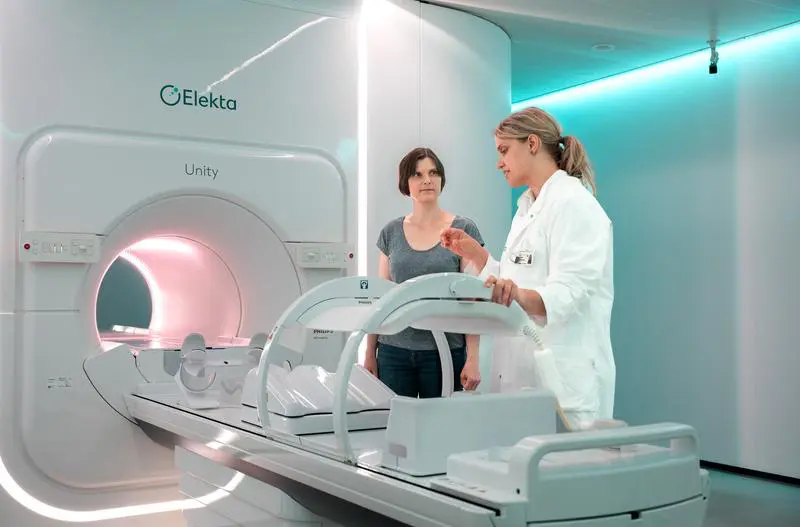
Personalized radiotherapy: MR-LINAC in Dresden with new gating function
The University Medical Center Dresden has made significant progress in personalized radiation therapy. Elekta's MR-LINAC "Unity", which combines magnetic resonance imaging and radiotherapy, which has been in use since June 2022, has been equipped with gating...
New S3 guideline on lichen sclerosus: Early diagnosis and treatment are crucial
Lichen sclerosus (LS), a chronic, non-infectious skin disease, causes itching, pain, and scarring changes in the genital area. The disease, which affects women, men and children, significantly reduces the quality of life. A new S3 guideline, drawn up by the German...

Radioactive cesium in wild mushrooms: Moderate consumption harmless
Almost 40 years after the Chornobyl reactor accident in 1986, wild mushrooms in Germany still contain some radioactive cesium-137, which comes from the accident and earlier nuclear weapons tests. According to the Federal Office for Radiation Protection (BfS), however,...