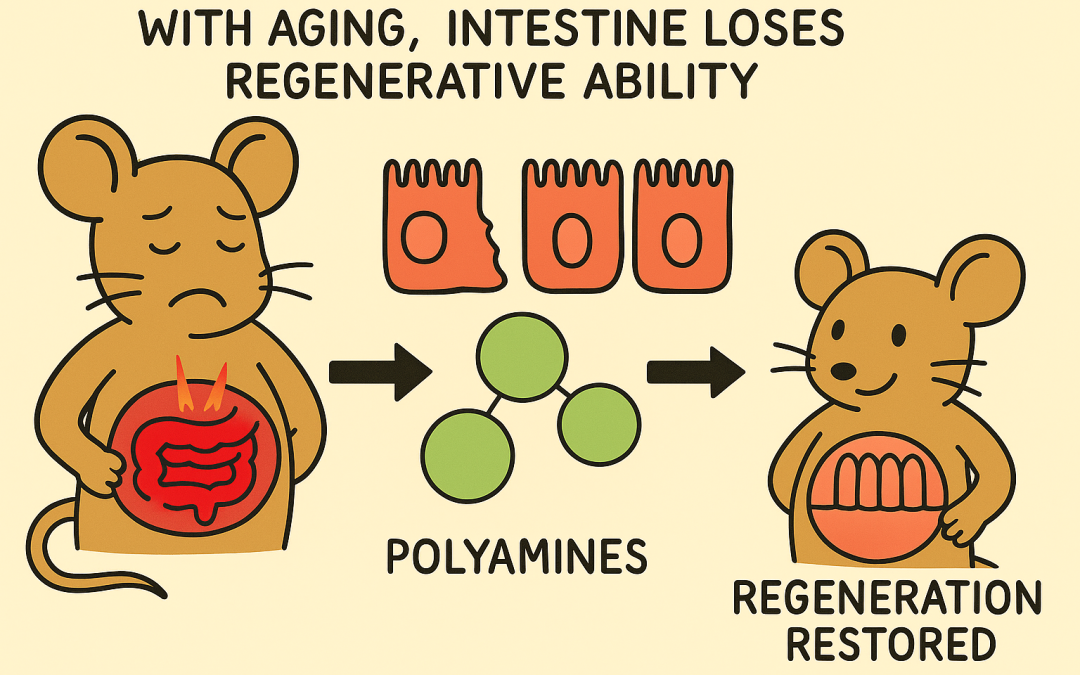
Polyamines promote regeneration in the aging intestine
As we age, the intestines gradually lose their ability to regenerate after damage. An international team of researchers including the Leibniz Institute for Aging Research – Fritz Lipmann Institute (FLI) in Jena and the University of Turin has now discovered that...
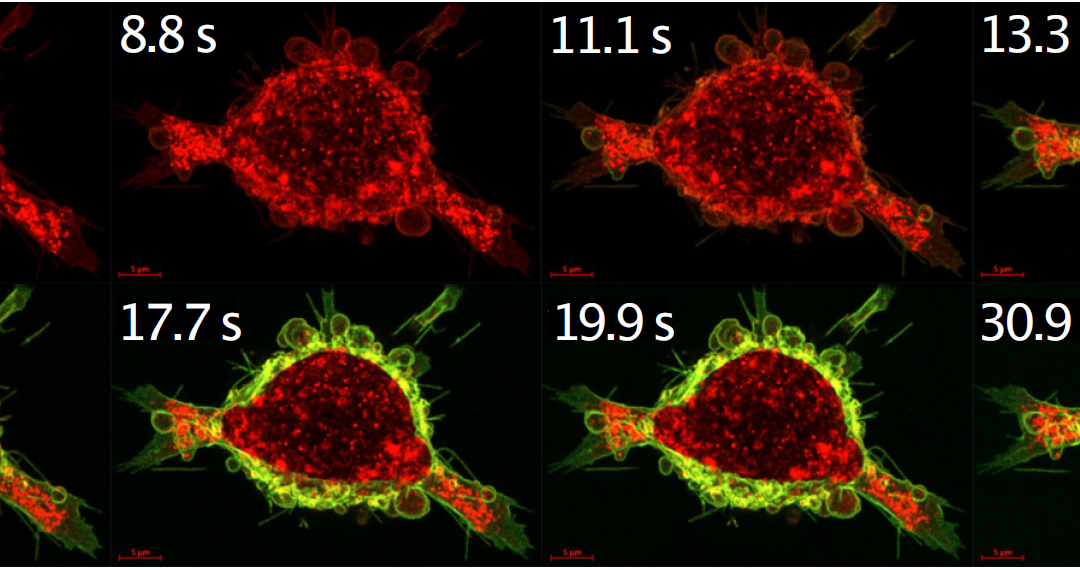
Calcium-sensitive switch increases the effectiveness of cancer drugs
Antibody drugs to fight cancer are supposed to penetrate tumor cells and release a deadly charge deep inside, but all too often they don't make it that far. A new study shows how this Trojan horse strategy works better by exploiting calcium differences outside and...

Metabolism of the brain shapes thinking and cognitive boundaries
A new study led by Dr. Philipp Haueis, philosopher of science at Bielefeld University, and his co-author David J. Colaço from the Ludwig Maximilian University of Munich, sheds light on how the brain's metabolism influences cognitive abilities such as memory,...

Social networks shape body perception and could prevent eating disorders
A study led by the Universidad Carlos III de Madrid (UC3M), which was supported by the European Research Council (ERC), shows that the size and diversity of social networks have a significant influence on the perception of one's own body. The results could open up new...
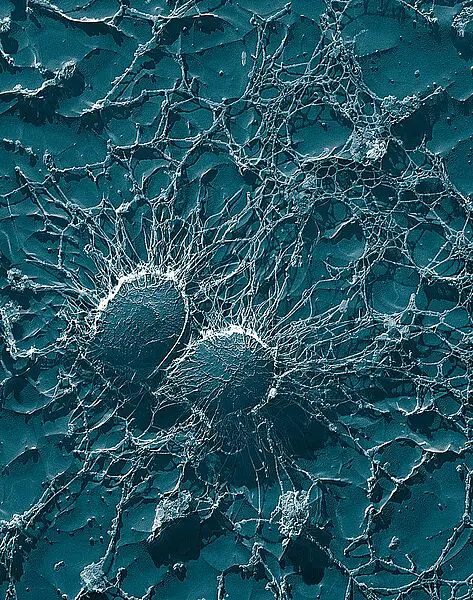
Biotin competition in the nose could fight multidrug-resistant staphylococci
Eine neue Untersuchung des Biozentrums der LMU München zeigt, dass potenziell gefährliche Staphylokokken wie Staphylococcus aureus in der menschlichen Nasenhöhle um das Vitamin Biotin mit anderen Bakterien konkurrieren. Dieser Wettstreit könnte einen...
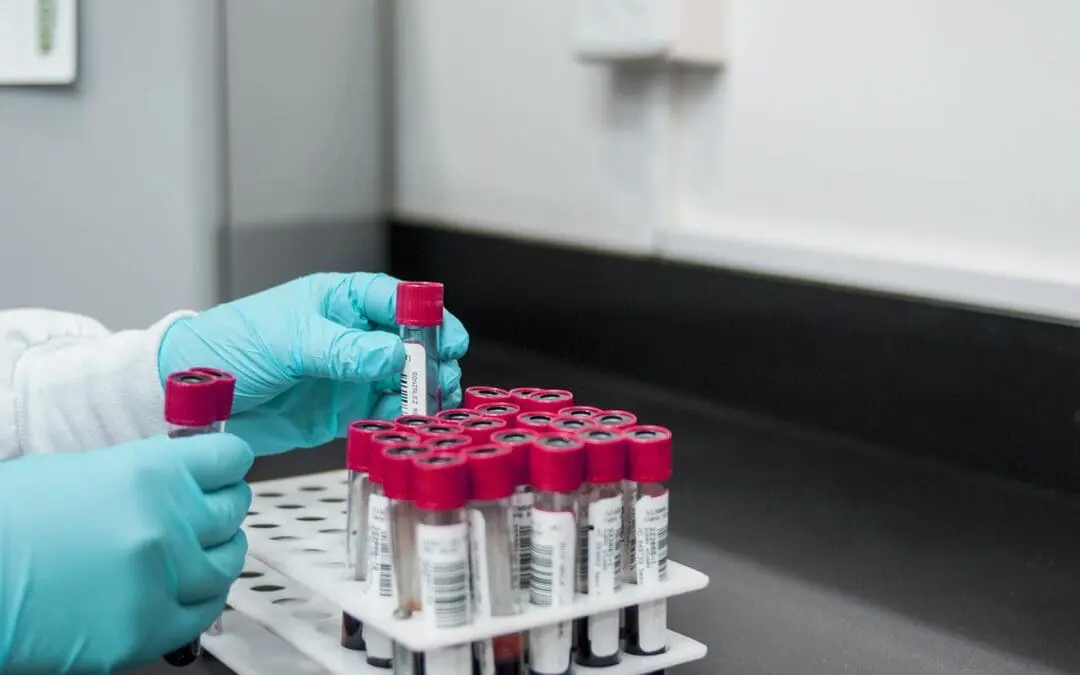
Biomarker shows: Dietary change can partially reverse brain aging
Researchers at the Leibniz Institute on Aging – Fritz Lipmann Institute (FLI) in Jena have discovered that the chemical composition of proteins in the brain changes significantly with age, with the process of ubiquitylation playing a central role. These findings were...
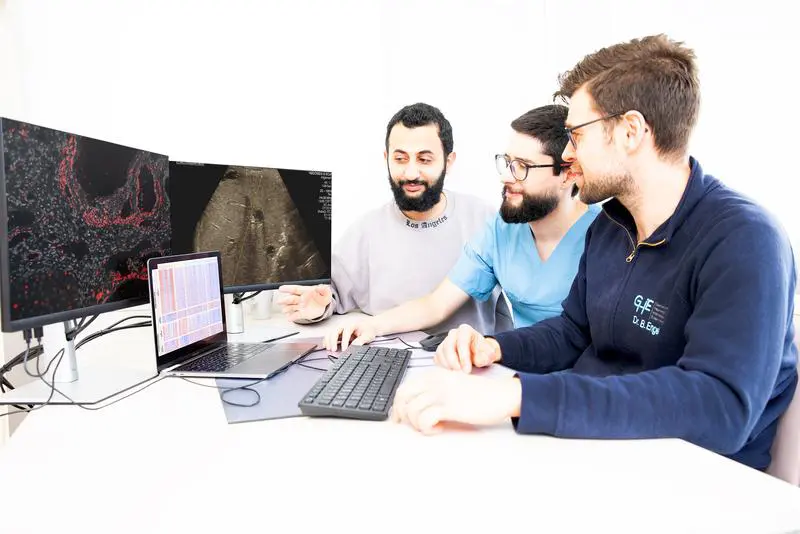
Molecular signatures discovered for better diagnosis of liver transplant rejections
After ten years of work, an international research team led by the Hannover Medical School (MHH) and the Helmholtz Centre for Infection Research (HZI) has identified molecular signatures that could help diagnose chronic rejection after liver transplants. The results...

Artificial intelligence is gaining acceptance in the German healthcare system
Artificial intelligence (AI) is increasingly establishing itself in practices and clinics, where it supports diagnoses and therapies. A representative survey by the digital association Bitkom shows: 74 percent consider them useful for obtaining a second opinion, 72...
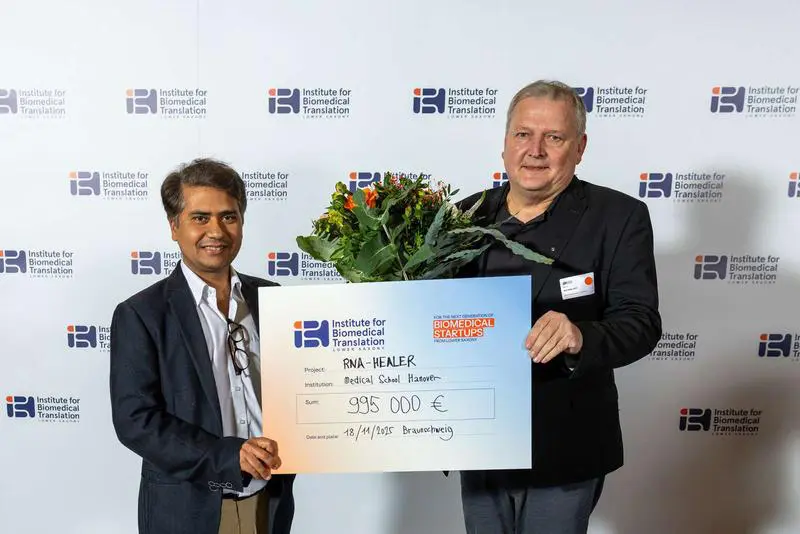
MHH project “RNA Healer” wins start-up funding competition of IBT Lower Saxony
In its fifth round of funding, the Institute for Biomedical Translation Lower Saxony (IBT) has awarded around 2.5 million euros to innovative biomedical research projects in order to transfer cutting-edge research into clinical practice more quickly. The jury selected...
DFG Extends Funding for Collaborative Research Center “OncoEscape” at the University of Freiburg
On November 21, 2025, the German Research Foundation announced that it will support the Collaborative Research Center 1479 "Oncogen-driven immune escape – OncoEscape" at the University of Freiburg for another three and a half years. The focus is on investigating how...