

New blood test diagnoses ALS with high accuracy
Researchers at the Brain Chemistry Lab in Wyoming have developed a blood test that detects amyotrophic lateral sclerosis with 97 percent accuracy. The test is based on the analysis of microRNA from a single blood sample and is suitable for early diagnosis. ALS is a...

Gender medicine: Quitterer calls for funding for new licensing regulations
The President of the Bavarian State Medical Association is calling for sufficient financial resources for the implementation of the new licensing regulations for doctors. The reform must not fail because of money, he stresses. He agrees with the Federal Minister of...
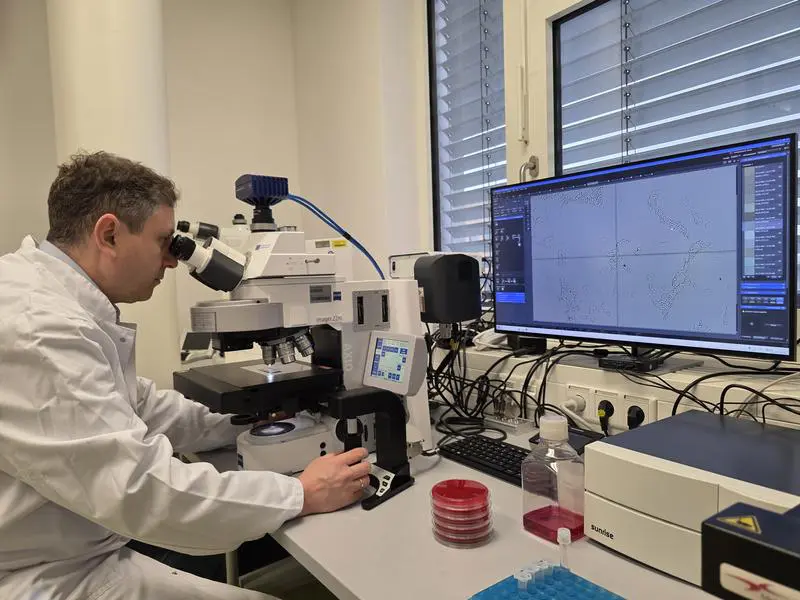
New microscope accelerates diagnosis of infections
Researchers at the University Medical Center Greifswald are using a state-of-the-art, EU-funded microscope to develop methods for the faster detection of microorganisms. The device with automated software and image analysis is intended to optimize microbiological...

Laboratory medicine: Chrysanthi Skevaki becomes new director in Mainz
As of January 1, 2026, Chrysanthi Skevaki will take over as head of the Institute of Clinical Chemistry and Laboratory Medicine at the Mainz University Medical Center as well as the W3 professorship for laboratory medicine. Previously, she headed the Giessen site of...

New procedure accelerates diagnosis of urinary tract infections
Researchers at the Technical University of Munich have developed a method that accelerates the diagnosis of urinary tract infections and tests antibiotic resistance directly in the urine. Compared to conventional laboratory methods, which take two to three days, it...
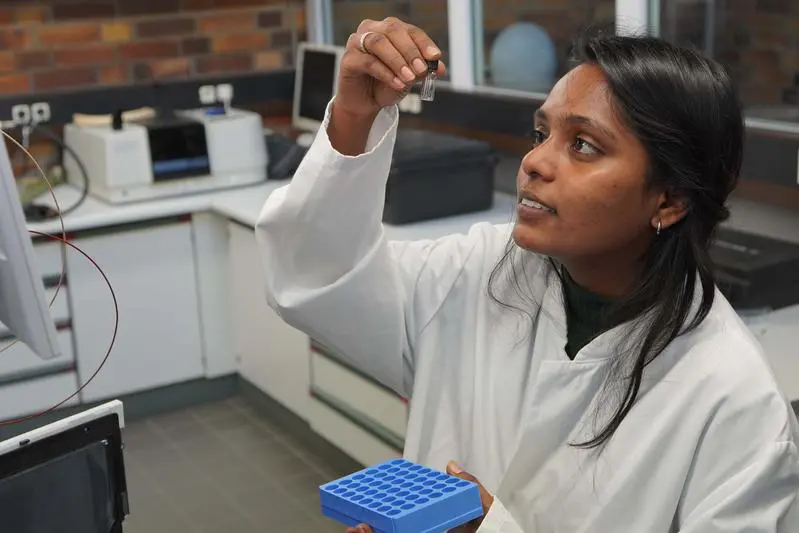
INTRODUCING: Why an Indian PhD student in Coburg is looking for new biomarkers
At Coburg University of Applied Sciences, scientists are researching a therapy against elephantiasis, a tropical disease caused by parasitic worms. As part of an international doctoral project, Indian doctoral student Pavithra Rajkumar is looking for biological...
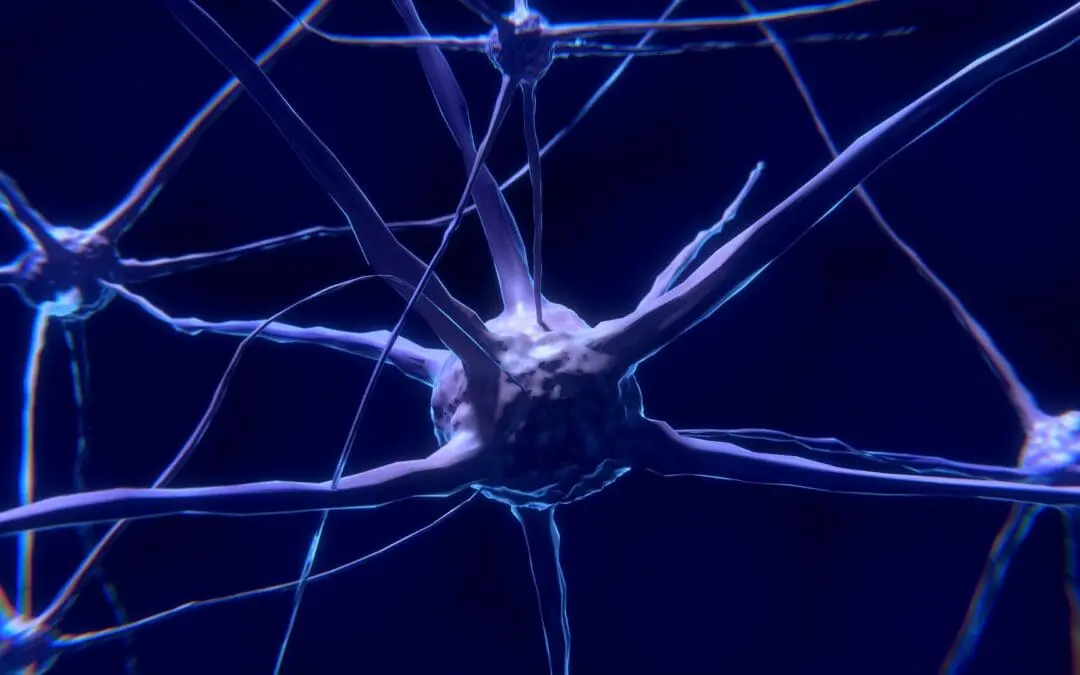
Intestinal bacteria can worsen multiple sclerosis
Certain intestinal bacteria can mislead the immune system by resembling the protective layer of nerves and thus worsen the course of multiple sclerosis. Researchers at the University of Basel have demonstrated this mechanism in mouse experiments. The results point to...
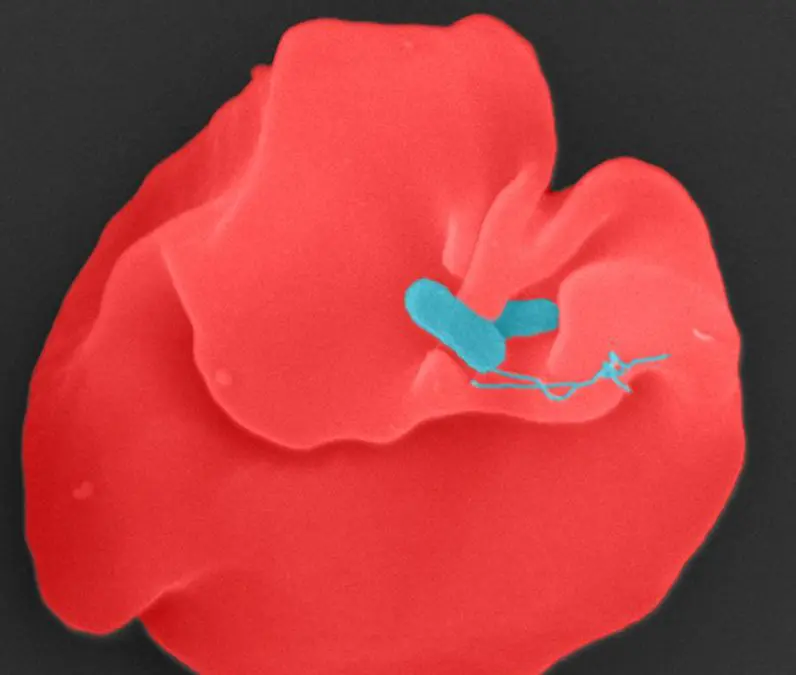
Elucidation of Oroya fever opens up new therapeutic options
Researchers at the University Medical Center Frankfurt have elucidated the mechanism of the deadly infectious disease Oroya fever, which is caused by the bacterium Bartonella bacilliformis. They identified two proteins responsible for destroying red blood cells and...

EbM Network: Call for fewer, but better systematic reviews
Systematic reviews serve as a fundamental basis for evidence-based decisions in healthcare, but their mass production and often inadequate quality jeopardize this claim. In an article in the Journal for Evidence, Training and Quality in Health Care, members of the...
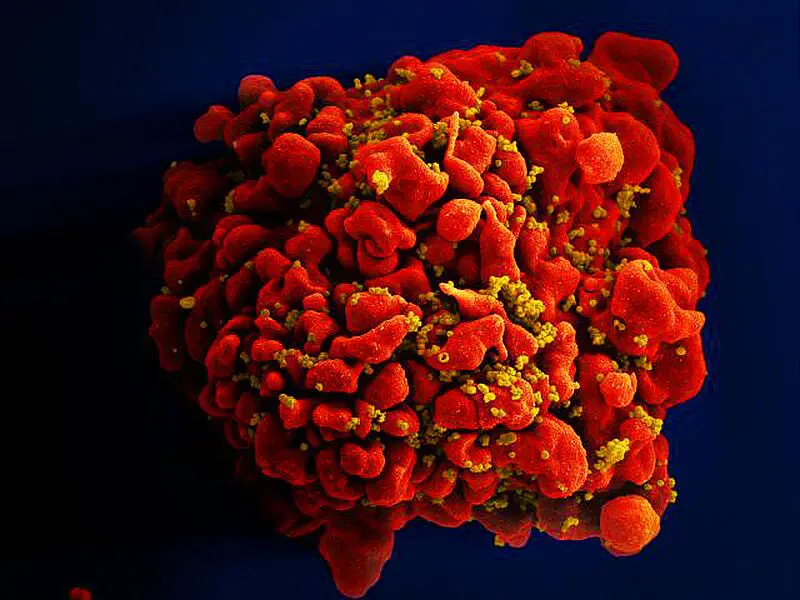
Test paradox in sexually transmitted infections revealed
Pre-exposure prophylaxis against HIV has been successful in reducing new infections, but is accompanied by an increase in other sexually transmitted infections. A model study explains this effect as a paradox: Increased case numbers result from increased testing,...