
IQWiG publishes updated Methods 8.0 and new minimum retention number methodology
The Institute for Quality and Efficiency in Health Care has published version 8.0 of its General Methods, which form the basis for assessments in statutory health insurance. The revision takes into account comments from a hearing at the end of February 2025, with...
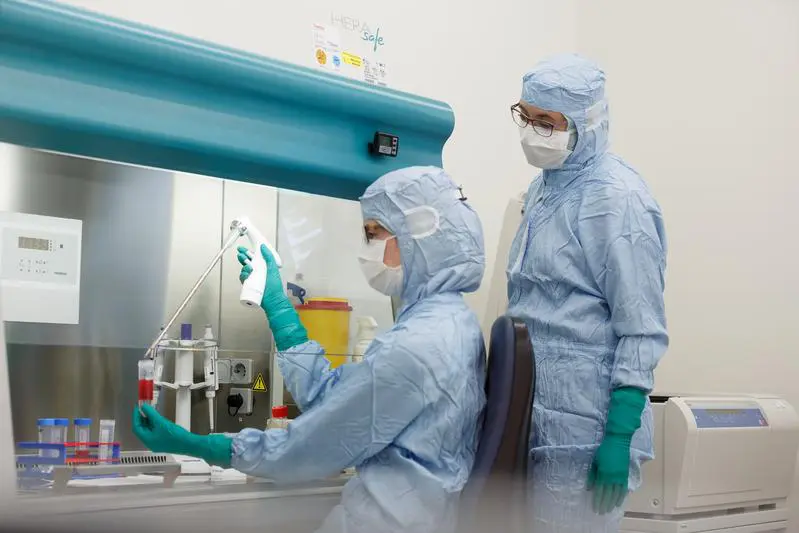
UKHD receives approval for its own CAR-T cell product against CLL
Heidelberg University Hospital is the first academic institution in Germany to receive a hospital exemption from the Paul-Ehrlich-Institut for the production and use of the CAR-T cell product Heidagen-lecleucel. The patient's own immune cell preparation is directed...

AFI launches call for dementia funding 2026
The Alzheimer Research Initiative e.V. has opened its annual call for funding for research into Alzheimer's and related dementias. Researchers can submit applications until 30 January 2026 to fund projects in basic research and applied science. The initiative aims to...
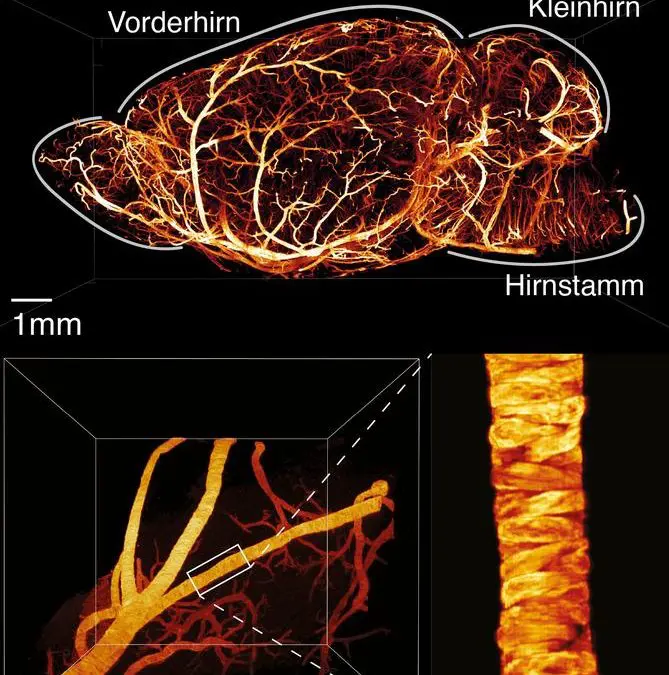
Research team optimizes light-sheet microscopy for precise 3D imaging
An interdisciplinary team from the University of Göttingen, the University Medical Center Göttingen and the University of Lübeck has developed an innovative platform for light sheet fluorescence microscopes that revolutionizes the imaging of large tissue samples. The...
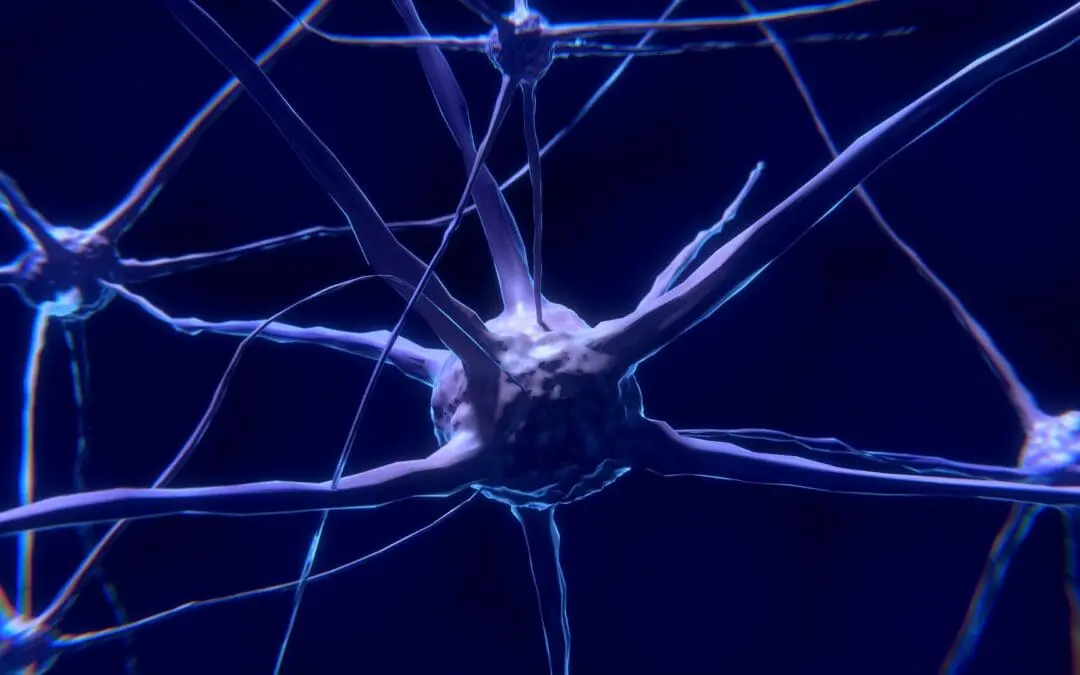
Mouse model: NU-9 stops Alzheimer’s development before symptoms
Researchers at Northwestern University have demonstrated further progress in early intervention against Alzheimer's with the experimental drug NU-9. In a new study, they identified a previously unknown, highly toxic subtype of amyloid beta oligomers that triggers...
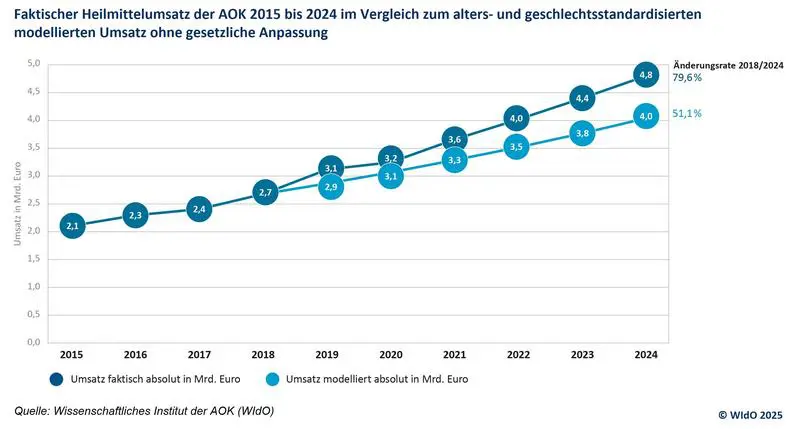
AOK expenditure on therapeutic products doubled within ten years
Expenditure on therapeutic products for AOK policyholders amounted to just under 4.8 billion euros in 2024, more than twice as much as in 2015 with 2.1 billion euros. This is shown by the Therapeutic Products Report 2025 of the Scientific Institute of the AOK. Factors...
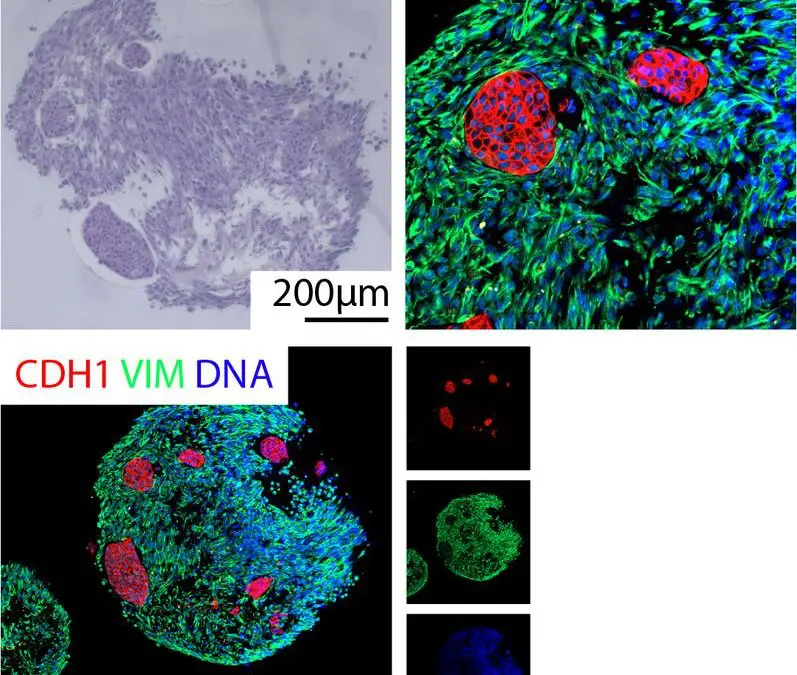
DFG funds new Research Training Group on Tumor Organoids in Ulm
From spring 2026, 20 doctoral students in the life sciences and ten physicians will conduct research on realistic models of solid tumors in the new Org-BOOST Research Training Group at Ulm University. The aim is to better predict disease progression and therapeutic...
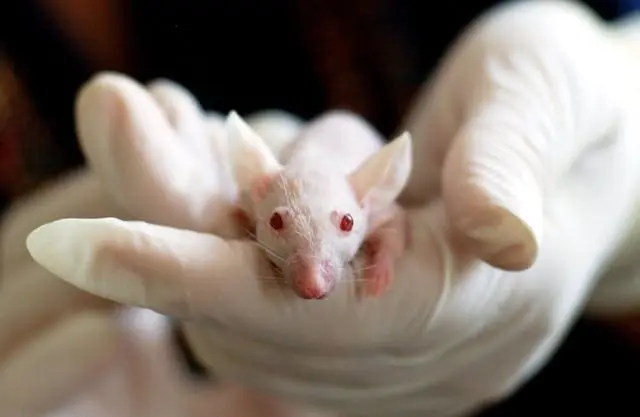
mRNA revitalizes aging immune system in mice
Researchers from the German Cancer Research Center, the Stem Cell Institute HI-STEM and the Broad Institute have developed an mRNA-based method to rejuvenate the weakened immune system of older mice. The highlight: The liver temporarily becomes a source of missing...
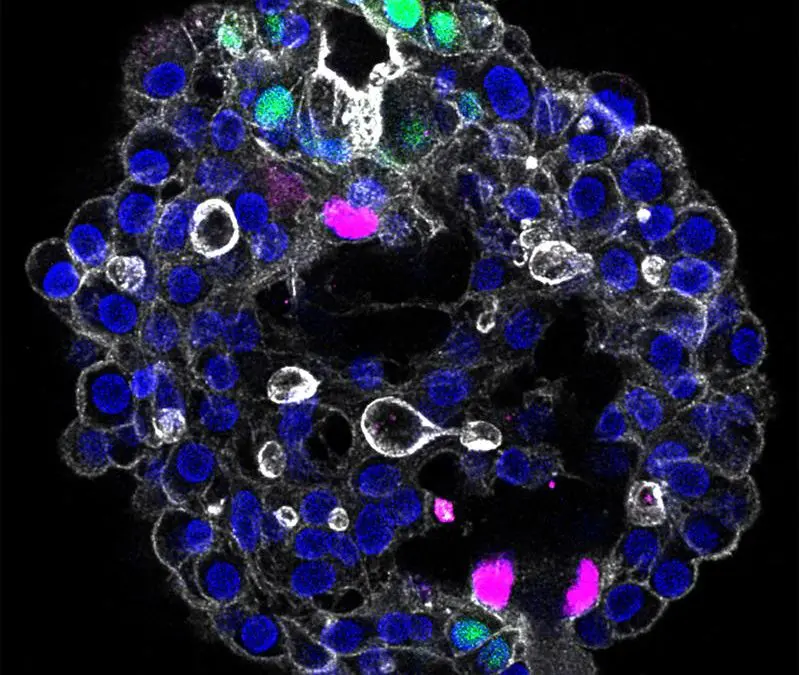
Groundbreaking: Dresden team develops modular 3D model of the human liver
Researchers at the Max Planck Institute of Molecular Cell Biology and Genetics have created a three-dimensional organoid model from the patient's own liver tissue for the first time. The model consists of three cell types – adult hepatocytes, cholangiocytes and...

Genetic variants render antibody therapies ineffective in some patients
Individual differences in genetic material can impair the effectiveness of antibody-based therapies against cancer, rheumatism or multiple sclerosis. This is reported by researchers at the University of Basel in Science Translational Medicine and shows how natural...