For the first time among two million laboratory animals in Germany
The number of laboratory animals used in Germany fell below two million for the first time in 2024. This is the result of the annual statistics of the German Centre for the Protection of Laboratory Animals at the Federal Institute for Risk Assessment. In total, the number of animals used in experiments and killed for scientific purposes is 1.95 million. Compared to the previous year with 2.1 million, this represents a decline of 8.2 percent. The number of vertebrates and cephalopods used fell by nine percent to 1.33 million.
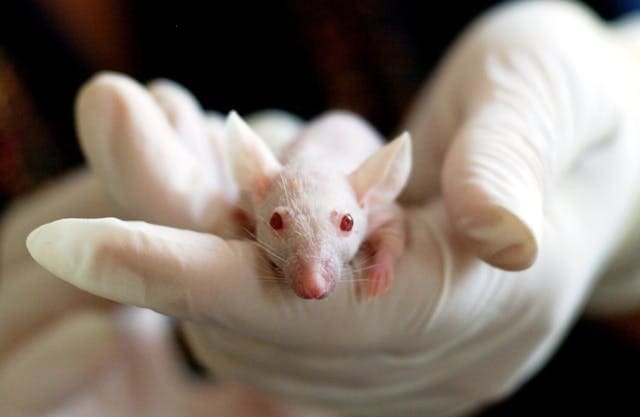
Rodents dominate the animals used with 78 percent, including mice with 72 percent and rats with six percent. Fish make up 13 percent, rabbits four percent and birds one percent. The decline affects almost all areas, especially experiments on species conservation, environmental protection and training purposes. The increased use of alternative methods in research may have contributed to this development.
57 percent of the animals were used for basic research, 15 percent for application-oriented research, which focuses on the development of new therapies and drugs. 17 percent of the tests were carried out for regulatory purposes such as quality controls of medical products and safety tests of chemical substances. Seven percent of the animals were used to maintain genetically modified populations and three percent for other purposes such as education, environmental and species protection. A total of 129,000 fewer animals were used in experiments than in the previous year.
A significant decline can be seen in the surplus animals that were bred for scientific purposes but not used and then killed. This group comprises 1.1 million animals, 264,000 fewer than in the previous year, which corresponds to a minus of 19 percent. The numbers are falling for the third year in a row. These are mainly mice and fish from the breeding of genetically modified laboratory animals.
In disease research, the focus is on cancer, where 43 percent of the animals were used in applied research. In basic research, immune system research dominates with 22 percent, followed by neuroscience with 20 percent and oncology with 12 percent.
The severity of the experiments was predominantly low at 63 percent. Medium burdens accounted for 28.4 percent, heavy 3.6 percent, which is low by EU standards. Five percent of the experiments were carried out under general anesthesia, from which the animals did not awaken.
The Animal Welfare Act and the Animal Welfare Laboratory Animal Ordinance strictly regulate the approval, implementation and monitoring of animal experiments. They define permitted purposes and demand an examination of whether alternative methods are available. The approval is the responsibility of the state authorities responsible for animal welfare, which transmit the data to the Federal Institute for Risk Assessment. The latter prepares them and forwards them to the European Commission, based on EU Directive 2010/63/EU. The Federal Institute for Risk Assessment has been publishing the figures since 2020.
The Federal Institute for Risk Assessment is an independent institution within the portfolio of the Federal Ministry of Agriculture, Food and Community. It protects health preventively in public health and veterinary public health. It advises the federal government and the federal states on food, feed, chemical and product safety and conducts its own research.
The German Centre for the Protection of Laboratory Animals has been part of the Federal Institute for Risk Assessment since 2015. It coordinates activities to reduce animal experiments to what is necessary and to protect the animals in the best possible way. It stimulates research activities and promotes scientific dialogue worldwide.
Read more:
Laboratory animal numbers 2024 – Protection of laboratory animals
Read Also:
Pioneer of animal-free diagnostics: Prof. Maike Frye receives Gábor Szász Prize – MedLabPortal
Editor: X-Press Journalistenbüro GbR
Gender Notice. The personal designations used in this text always refer equally to female, male and diverse persons. Double/triple naming and gendered designations are used for better readability. ected.
Most read
 Miraculous fitness probiotic: Roseburia inulinivorans massively improves muscle strength Researchers from the University of Granada, the University of Almería and the Leiden University Medi...
- The personal health check of the UMG laboratory: The detectives of blood The Personal Health Check of the UMG Laboratory (Interdisciplinary Laboratory of the University Medi...
- ASKED: “The new GOÄ is a far greater danger than some people realize” The new fee schedule for doctors (GOÄ) provides for significant cuts for laboratory medicine. DGKL b...