Cortisol amplifies emotional memories through brain network changes
A Yale University study shows how the stress hormone cortisol enhances emotional memories by altering dynamic brain networks. The research provides new insights into the mechanisms by which stress influences memory formation.
The researchers investigated how cortisol separately affects brain circuits that process emotions and memories. In a double-blind experiment, participants took either hydrocortisone or a placebo before looking at images while a functional MRI (fMRI) scan recorded brain activity. Participants rated the emotional intensity of the images, and their memory was tested the next day.
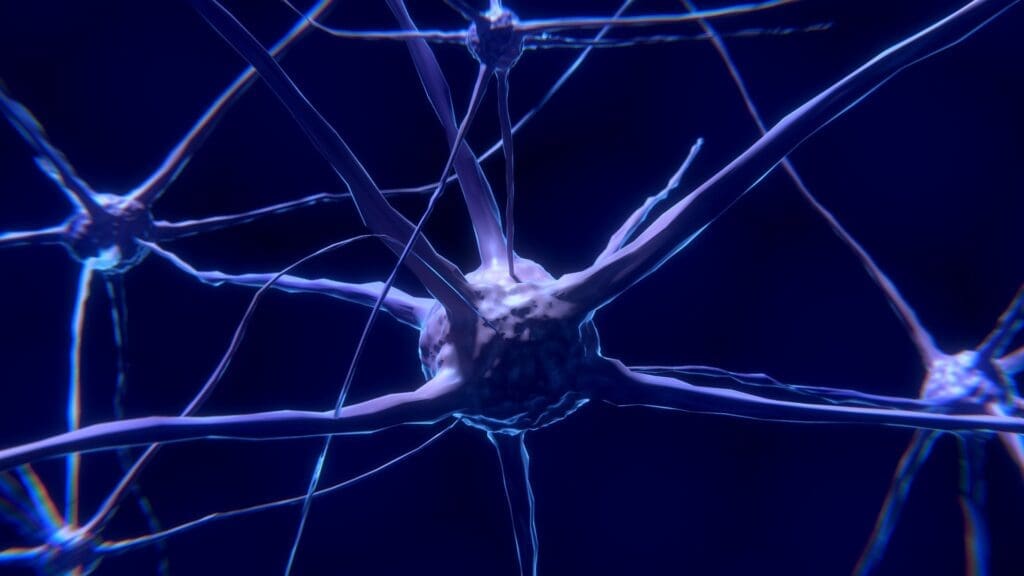
The analysis of the fMRI data focused on functional connectivity, i.e. synchronization between different brain regions, during individual experiments of about five seconds. This allowed the researchers to predict how participants perceived the images and whether they remembered them. The study identified separate networks for memory formation and emotional intensity and looked at how cortisol affected them.
The results show that cortisol improves the memory of emotional experiences by making the networks for emotions more consistent and more engaged. At the same time, it specializes the memory networks more strongly in emotional content and improves coordination between the two networks. These mechanisms make it possible to selectively store emotional experiences under stress.
The study highlights that stress responses are adaptive and promote the formation of strong memories, especially during emotionally intense experiences. The results could help to optimize learning processes under stress by specifically including emotional aspects. The study was supported by the National Institutes of Health.
Original Paper:
Dynamic brain mechanisms supporting salient memories under cortisol | Science Advances
Editor: X-Press Journalistenbüro GbR
Gender Notice. The personal designations used in this text always refer equally to female, male and diverse persons. Double/triple naming and gendered designations are used for better readability. ected.
Most read
 Miraculous fitness probiotic: Roseburia inulinivorans massively improves muscle strength Researchers from the University of Granada, the University of Almería and the Leiden University Medi...
- The personal health check of the UMG laboratory: The detectives of blood The Personal Health Check of the UMG Laboratory (Interdisciplinary Laboratory of the University Medi...
- ASKED: “The new GOÄ is a far greater danger than some people realize” The new fee schedule for doctors (GOÄ) provides for significant cuts for laboratory medicine. DGKL b...