Contraception: BMFTR Funds Improvement of Menstrual Cycle Apps with 2.8 Million Euros
The Federal Ministry of Research, Technology and Space (BMFTR) is funding an interdisciplinary research network with 2.8 million euros. The goal is to make cycle apps for determining a woman’s fertile and infertile days more reliable by taking biological markers into account. The Heinrich Heine University Düsseldorf (HHU), the University Hospital Düsseldorf (UKD) with the Clinic for Gynaecology and Obstetrics, the Medical Faculty of the University of Heidelberg as spokesperson, and the University Hospitals of Hamburg and Jena are involved.
More and more women are doing without the “pill” as a contraceptive. This is because the use of hormonal contraception has declined in the last two decades. Instead, cycle apps are gaining popularity that are intended to support natural family planning or contraception without hormones and side effects. However, many apps on the market are not precise enough for reliable protection against conception.
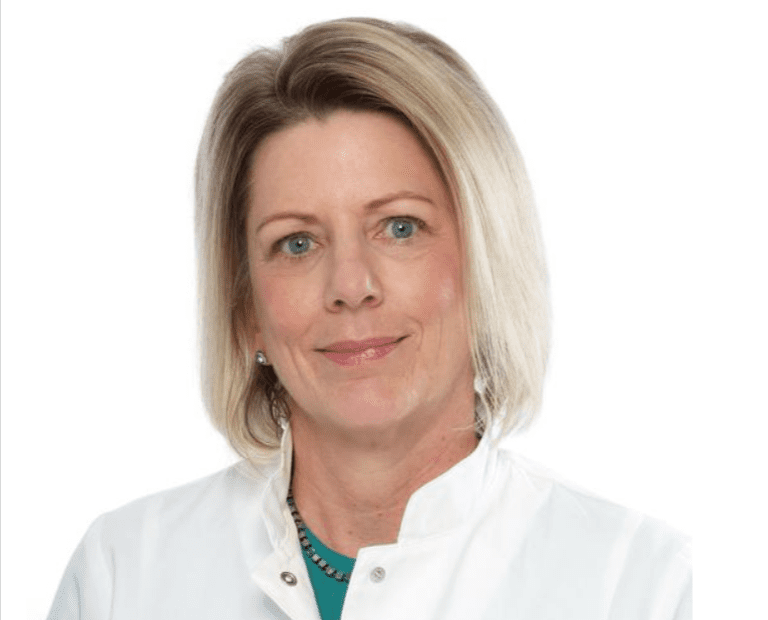
The CONtraCEPT network is therefore intended to identify additional biomarkers to improve menstrual cycle apps. Building on preclinical and clinical research, more reliable home tests for contraception are to be developed. Dr. Tanja Freundl-Schütt from the UKD and Dr. Nefeli Malliou-Becher from the University of Heidelberg are leading the corresponding studies. Prof. Petra Arck at the University of Hamburg and Prof. Udo Markert at the University Hospital Jena are responsible for the preclinical studies. It is coordinated by Dr. Petra Frank-Herrmann at the University of Heidelberg.
Cycle apps process information and measurements on biomarkers such as core body temperature, cervical mucus, hormone levels in the urine or nighttime heart rate to determine cycle phases and ovulation. Many apps are based on simple models that assume a 28-day cycle with ovulation on day 14 or use averages. Since cycle durations fluctuate, such calculations are often inaccurate.
For this reason, the network is planning studies on the effectiveness and user-friendliness of digital health technologies. This includes optimization of existing cycle apps and identification of new biomarkers for precise determination of the fertile window. At the Düsseldorf location, the focus is on the selection and comparative study of apps based on Natural Family Planning (NFP) methods with regard to user-friendliness and usage intentions. This subproject is headed by Dr. Tanja Freundl-Schütt.
In addition, Düsseldorf is participating in a study that compares the app-based fertile window with ultrasound-measured ovulation to test accuracy. Data is entered into a register, analysed and made available to all partners. This sub-project is led by Heidelberg.
Editor: X-Press Journalistenbüro GbR
Gender Notice. The personal designations used in this text always refer equally to female, male and diverse persons. Double/triple naming and gendered designations are used for better readability. ected.
Most read
 First female dean in 549 years: Professor Sara Y. Brucker heads the Faculty of Medicine in Tübingen For the first time in its almost 550-year history, the Faculty of Medicine at the University of Tübi...
- New S3 guideline: ASA as an option for thrombosis prophylaxis in hip and knee surgery The updated S3 guideline for the prophylaxis of venous thromboembolism (VTE) recommends acetylsalicy...
- New MRI methods for the early detection of Parkinson’s disease: Campus Lübeck is looking for study participants Researchers at the University Medical Center Schleswig-Holstein (UKSH) and the Universities of Lübec...