Catheter-based ultrasound thrombolysis significantly reduces the risk of severe pulmonary embolism
High-risk patients with acute pulmonary embolism benefit from ultrasound-assisted, catheter-based thrombolysis. This is shown by the HI-PEITHO study conducted by the Mainz University Medical Center. Compared to treatment with blood thinners alone, the risk of death or life-threatening circulatory collapse was 61 percent lower.
In acute pulmonary embolism, a blood clot blocks pulmonary vessels and can severely impair the heart’s pumping function. About 15 percent of those affected die from it. Although systemic thrombolytics are effective at dissolving clots, they increase the risk of severe bleeding. For this reason, they have so far usually only been used in the most severe cases.
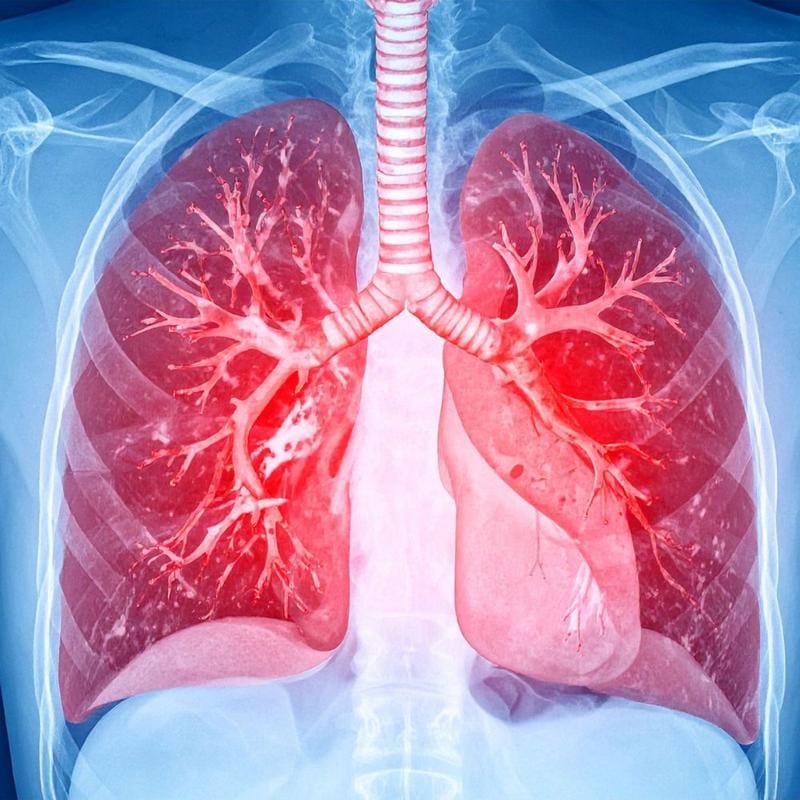
In the HI-PEITHO study, a catheter was advanced through a vein in the groin into the pulmonary arteries in patients with medium to high risk. A thrombolytic drug was delivered into the clot in a targeted manner and additional ultrasound energy was used to accelerate the degradation. This shortened the treatment time and reduced the dose of medication.
The randomized multicenter study involved 544 adult patients from Germany, seven other European countries and the USA. Within the first seven days after treatment, the primary endpoint – death from pulmonary embolism or life-threatening cardiovascular collapse – occurred in 4 percent in the catheter group and 10.3 percent in the control group with anticoagulation alone. Severe bleeding complications were rare overall; Cerebral haemorrhages did not occur in any group.
The study is considered the largest of its kind in this field to date. It was initiated and scientifically co-led by the Mainz University Medical Center, in partnership with the Pulmonary Embolism Response Team (PERT) Consortium in the USA and the study sponsor Boston Scientific.
The results were published in the “New England Journal of Medicine” on March 28, 2026 and presented at the American College of Cardiology (ACC.26) congress.
The Mainz University Medical Center is the only supramaximal care facility in Rhineland-Palatinate and treats around 403,000 inpatients and outpatients every year.
Original Paper:
Editor: X-Press Journalistenbüro GbR
Gender Notice. The personal designations used in this text always refer equally to female, male and diverse persons. Double/triple naming and gendered designations are used for better readability. ected.
Most read
 Miraculous fitness probiotic: Roseburia inulinivorans massively improves muscle strength Researchers from the University of Granada, the University of Almería and the Leiden University Medi...
- The personal health check of the UMG laboratory: The detectives of blood The Personal Health Check of the UMG Laboratory (Interdisciplinary Laboratory of the University Medi...
- ASKED: “The new GOÄ is a far greater danger than some people realize” The new fee schedule for doctors (GOÄ) provides for significant cuts for laboratory medicine. DGKL b...