BFRT Fitness: Benefits of Blood Flow Restriction Training for Type 2 Diabetes
Blood flow restriction training (BFRT) with low weights improves muscle strength in people with type 2 diabetes just as effectively as classic strength training with high loads. At the same time, it specifically reduces visceral abdominal fat, increases the mitochondrial performance of muscle cells and promotes the formation of new blood vessels. This reduces the risk of diabetes-related secondary diseases. The results of a randomized study by the German Diabetes Center (DDZ) were recently published in the journal Cell Metabolism .
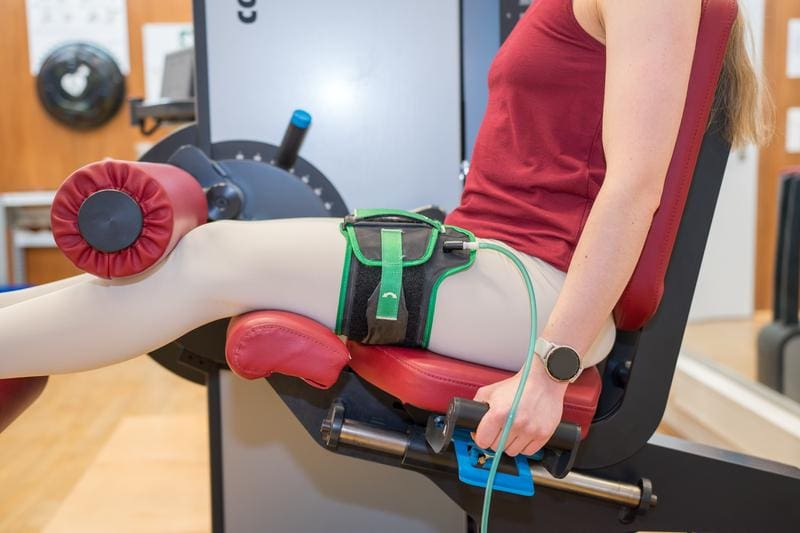
Strength training improves muscle function, blood sugar control, and cardiovascular health in type 2 diabetes. However, high weights are difficult to implement for many sufferers – for example in the case of age-related muscle weakness, obesity or low resilience. BFRT uses inflatable cuffs on the thighs to completely reduce venous blood outflow and arterial inflow by up to 80 percent. This creates a strong stimulus for muscle adaptations despite training weights of only about 30 percent of the individual maximum strength.
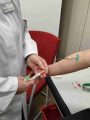
In the study, 20 participants with type 2 diabetes trained three times a week at the DDZ for twelve weeks – either with BFRT or classic strength training. Both groups achieved comparable gains in muscle strength. In addition, resting heart rate, blood pressure and body weight decreased; the fatty tissue decreased. The decisive difference was in the fat distribution: While classic strength training mainly reduced subcutaneous fat, BFRT significantly reduced visceral fat tissue around the internal organs. Visceral fat releases pro-inflammatory substances, worsens the insulin effect and increases the risk of cardiovascular disease.
In addition, BFRT improved the function and number of mitochondria in muscle cells, which optimizes the metabolism of glucose and fats. The method also promoted angiogenesis, i.e. the formation of new small blood vessels, which increases the oxygen and nutrient supply to the muscles and facilitates glucose absorption.
Many participants reported increased everyday resilience and strength. More than half signed up for a gym after graduation to continue regular strength training.
BFRT requires special equipment and professional guidance; a medical clarification is required before the start. The method is currently only available in limited quantities. Classic strength training remains widely accessible and effective if sufficiently high loads are possible. Both approaches have specific strengths and can be combined or used as an alternative, depending on the individual situation. BFRT offers a promising option, especially for people with type 2 diabetes who are less physically resilient.
Original Paper:
Editor: X-Press Journalistenbüro GbR
Gender Notice. The personal designations used in this text always refer equally to female, male and diverse persons. Double/triple naming and gendered designations are used for better readability. ected.
Most read
 Miraculous fitness probiotic: Roseburia inulinivorans massively improves muscle strength Researchers from the University of Granada, the University of Almería and the Leiden University Medi...
- The personal health check of the UMG laboratory: The detectives of blood The Personal Health Check of the UMG Laboratory (Interdisciplinary Laboratory of the University Medi...
- ASKED: “The new GOÄ is a far greater danger than some people realize” The new fee schedule for doctors (GOÄ) provides for significant cuts for laboratory medicine. DGKL b...