Biomarker cortisol: World Cup debate as a possible stress factor
Socio-political debates surrounding the 2026 World Cup can cause stress among parts of the population. The stress hormone cortisol is considered a reliable laboratory biomarker for the objective measurement of such stresses.
by Vlad Georgescu
Cortisol is secreted by the adrenal cortex and is a central marker of the hypothalamic-pituitary-adrenocortical axis (HHN axis). It can be detected non-invasively in saliva, blood, urine or hair and reflects both acute and chronic stress. Elevated values correlate with psychosocial stress such as pressure of expectations, controversial social discussions or media presence of major events.
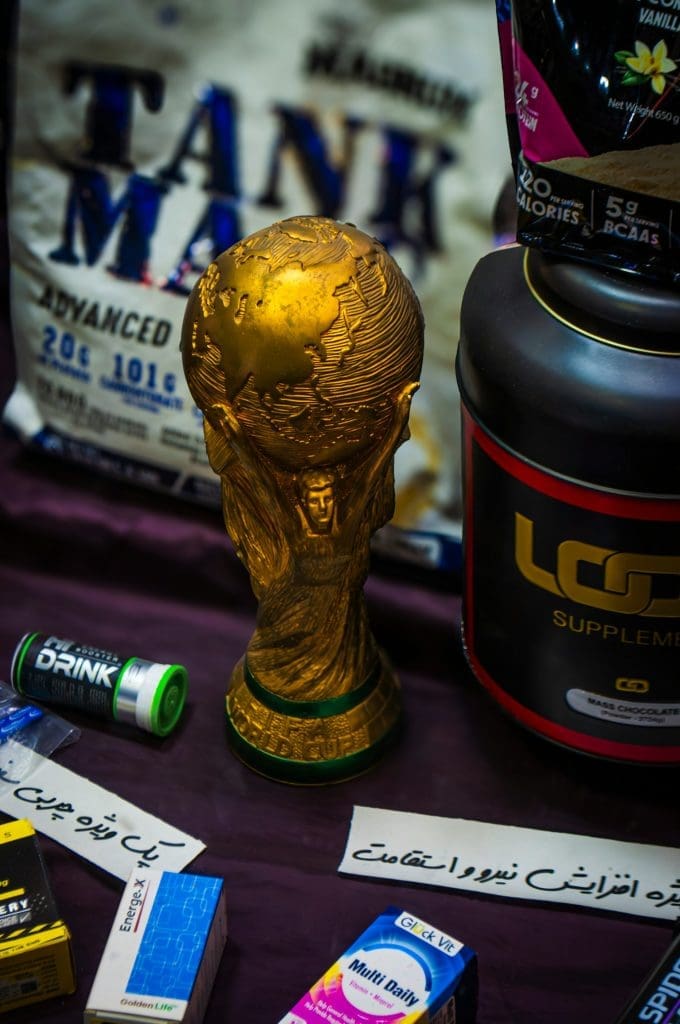
A recent World Cup study by the University of Hohenheim shows persistent skepticism among the population: Many respondents fear political instrumentalization, increasing commercialization and considerable environmental pollution due to the World Cup in the USA, Canada and Mexico. Such topics can lead to lasting discomfort in those affected. Studies on major sporting events show that football fans have significantly increased cortisol levels during exciting matches – especially among emotionally involved supporters.
Measurement and significance
- Saliva cortisol: Standard method for acute stress, easy to obtain and measurable several times a day.
- Hair cortisol: Allows you to look back on stress levels over weeks and months.
- Newer methods such as welding sensors even allow continuous measurements.
Researchers use cortisol analyses to quantify the physiological effects of major events such as World Championships. At the 2026 World Cup, debates about FIFA’s image, climate impacts and commercialisation could lead to measurable increases in cortisol among critical population groups – even without direct participation in the tournament.
However, experts emphasize that moderate cortisol releases can be normal and even performance-enhancing. Chronically elevated levels, on the other hand, carry risks of cardiovascular disease, sleep disorders and immune deficiency. The World Cup study by the University of Hohenheim underlines that the willingness not to follow the tournament in protest remains low – which could rather perpetuate the potential stress.
In the future, the inclusion of laboratory biomarkers such as cortisol could help to better understand the social effects of major sporting events and, if necessary, to provide preventive support.
Further information:
World Cup Study 2026: Chair of Marketing & Business Development
Editor: X-Press Journalistenbüro GbR
Gender Notice. The personal designations used in this text always refer equally to female, male and diverse persons. Double/triple naming and gendered designations are used for better readability ected.
Most read
 German Medical Association calls for ban on medical diagnostics in drugstores The 130th German Medical Congress 2026 calls on legislators to prevent medical diagnostics in drugst...
- Expert Tip for Preanalytics of Glucose Determination The pre-analysis of glucose determination is a science in itself, even for experienced doctors. MedL...
- Preanalytics in glucose measurements: Centrifuged PST tubes are superior to NaF-KOx A study by Brigham and Women's Hospital and Harvard Medical School shows that centrifuged lithium he...