
Hantavirus: Experts at the University Medical Center Essen see low risk for the general population
After several hantavirus infections and deaths occurred on the cruise ship “Hondius”, a contact person was brought to Germany under strict security precautions and is being medically examined as a precaution. International health authorities currently estimate the risk for the general population in Europe to be very low.
Dr. Roland Schwarzer, virologist at the Medical Faculty of the University of Duisburg-Essen, emphasizes that an objective classification is important. Hantaviruses are not coronaviruses and spread in a fundamentally different way. Most hantaviruses are not transmitted efficiently from person to person, but typically reach humans via infected rodents – for example, by inhaling virus-containing dust from faeces, urine or saliva.
In the current case, it is apparently the Andes virus, in which rare human-to-human transmission after close contact has been described. For the hantaviruses found in Germany (especially Puumala and Dobrava-Belgrade virus), however, relevant human-to-human transmission is not known.
Transmission and symptoms
Infection usually occurs through contact with excretions of infected rodents, especially when cleaning basements, sheds or other rooms with mouse infestation. Symptoms appear after an incubation period of usually two to four weeks and can include fever, headache, back, muscle or abdominal pain, nausea, vomiting or diarrhea. In some cases, kidney involvement occurs. Severe lung diseases can occur with certain American hantaviruses.
Treatment and protection
There is currently no specific standard antiviral therapy. The treatment is primarily supportive and depends on the severity of the disease. Protective measures are aimed at avoiding contact with rodents and their excretions. Rooms with possible mouse infestation should be well ventilated, cleaned with a damp cloth and not swept dry.
Dr. Hannah S. Schwarzer-Sperber, also a hantavirus researcher at the Faculty of Medicine, explains that no relevant human-to-human transmission is known for the viruses found in Germany. However, rare transmissions after close contact have been described with the Andes virus. For close contacts, the recommendations of the health authorities apply.
Research in Essen
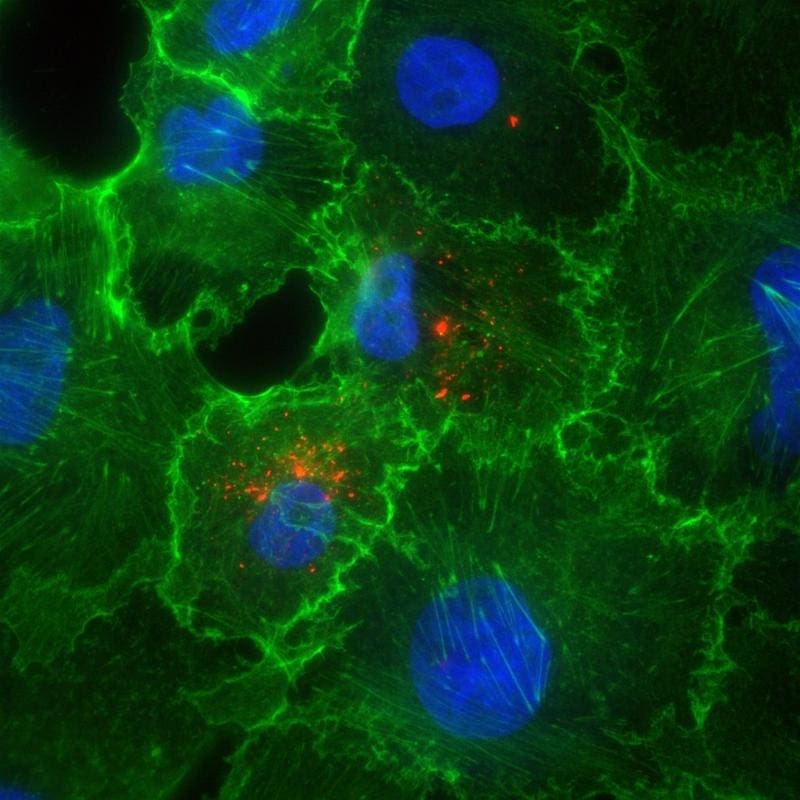
At the University Medical Center in Essen, the research groups of Dr. Hannah S. Schwarzer-Sperber and Dr. Roland Schwarzer are investigating how hantaviruses infect human cells and what cellular changes they trigger. In recent work, they have been able to show how the Puumala virus, which is relevant in Europe, changes cellular structures and establish standardised procedures for testing antiviral agents.
The researchers emphasise that the risk to the general population in Europe is very low in the current context. Nevertheless, factual information is important to avoid panic and to promote targeted protective measures.
Editor: X-Press Journalistenbüro GbR
Gender Notice. The personal designations used in this text always refer equally to female, male and diverse persons. Double/triple naming and gendered designations are used for better readability ected.
Most read
 Wal Timmy: Environment Minister Backhaus ignored rescue technology that has been in place since 1983 The stranded humpback whale "Timmy" suffered severely for days in Mecklenburg-Western Pomerania beca...
- Wal Timmy: Germany’s problem with euthanasia EDITORIAL. Letting Timmy suffer is more due to the German lack of experience and the bureaucratic hu...
- Impending fuel shortage: “If the laboratory fails, medical care will come to a standstill in large parts” DGKL CEO Jan Wolter explains the dramatic consequences of a potential fuel shortage for laboratory m...