First draft of a genetic interaction map created
An international research team has presented the first draft of a genetic interaction map (GI map). The map shows how genes can work together in complex networks and secure each other. The study has been published in the journal Cell .
With the significant participation of Jun-Prof. Maximilian Billmann from the Institute of Human Genetics at the University Hospital Bonn and the University of Bonn as well as researchers from the Donnelly Centre of the University of Toronto, the University of Minnesota and the Hospital for Sick Children, the team analyzed around four million gene pairs. In the process, they identified about 90,000 genetic interactions. The current draft thus covers about 2.5 percent of all possible gene pairs in the human genome.
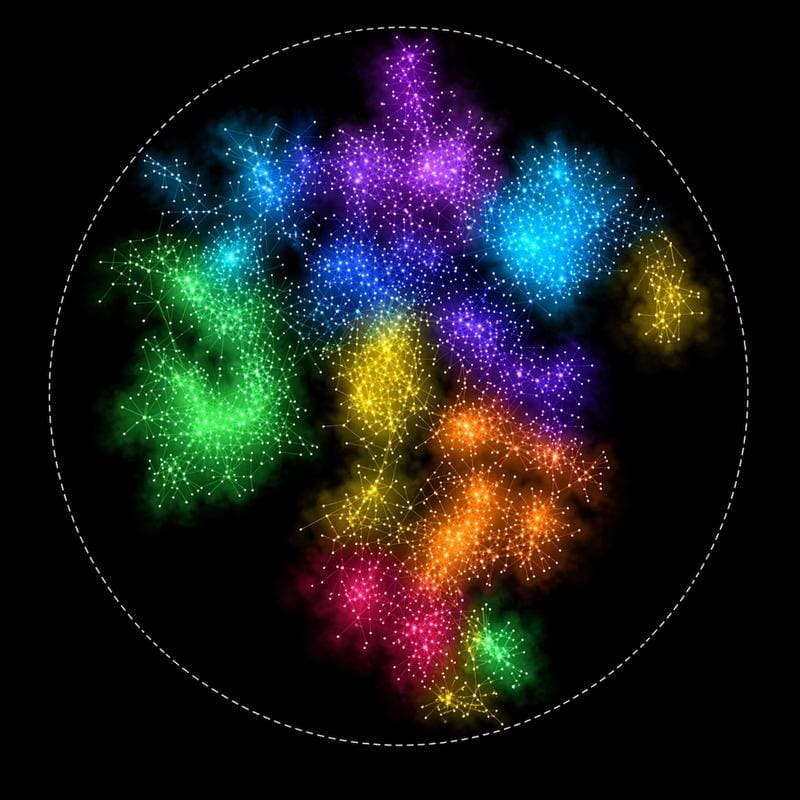
Many genes in the human genome can be switched off individually without obvious consequences for the cell. However, the new map shows that these genes are often part of redundant networks. Only when two genes are disturbed at the same time do significant effects occur. Such genetic interactions are of great importance for the understanding of disease mechanisms and the development of new therapies.
The researchers developed a highly scalable platform based on the CRISPR-Cas9 gene scissors, which can be used to systematically study gene pairs in cultured human cells. A newly developed algorithm enabled the reliable identification of the interactions.
The scientists emphasize that the current draft is only the beginning. In the future, further pairs of genes will be studied in order to obtain a complete picture of the human genome. Artificial intelligence is intended to help predict the most promising interactions in a targeted manner.
The work is an important step towards a better understanding of the genetic architecture of human cells and could contribute to the development of new therapies in the long term.
Original Paper:
Editor: X-Press Journalistenbüro GbR
Gender Notice. The personal designations used in this text always refer equally to female, male and diverse persons. Double/triple naming and gendered designations are used for better readability ected.
Most read
 Wal Timmy: Environment Minister Backhaus ignored rescue technology that has been in place since 1983 The stranded humpback whale "Timmy" suffered severely for days in Mecklenburg-Western Pomerania beca...
- Wal Timmy: Germany’s problem with euthanasia EDITORIAL. Letting Timmy suffer is more due to the German lack of experience and the bureaucratic hu...
- Impending fuel shortage: “If the laboratory fails, medical care will come to a standstill in large parts” DGKL CEO Jan Wolter explains the dramatic consequences of a potential fuel shortage for laboratory m...