Living drugs and simulated humans: Charité and TU Berlin open two new research centers
Charité – Universitätsmedizin Berlin and Technische Universität Berlin opened the two research centers “Berlin Center for Advanced Therapies” (BeCAT) and “Der Simulierte Mensch” (Si-M) on April 22, 2026. The state-of-the-art buildings on the Biotechnology and Medical Technology Campus in Berlin-Wedding are intended to decisively advance the development of new therapies for diseases that were previously considered incurable.
The focus of “The Simulated Human” (Si-M) is the realistic reproduction of human biology from molecular processes to complex organ functions. The close cooperation between engineering sciences and medicine is intended to better understand disease mechanisms and develop new approaches for diagnostics and therapy.
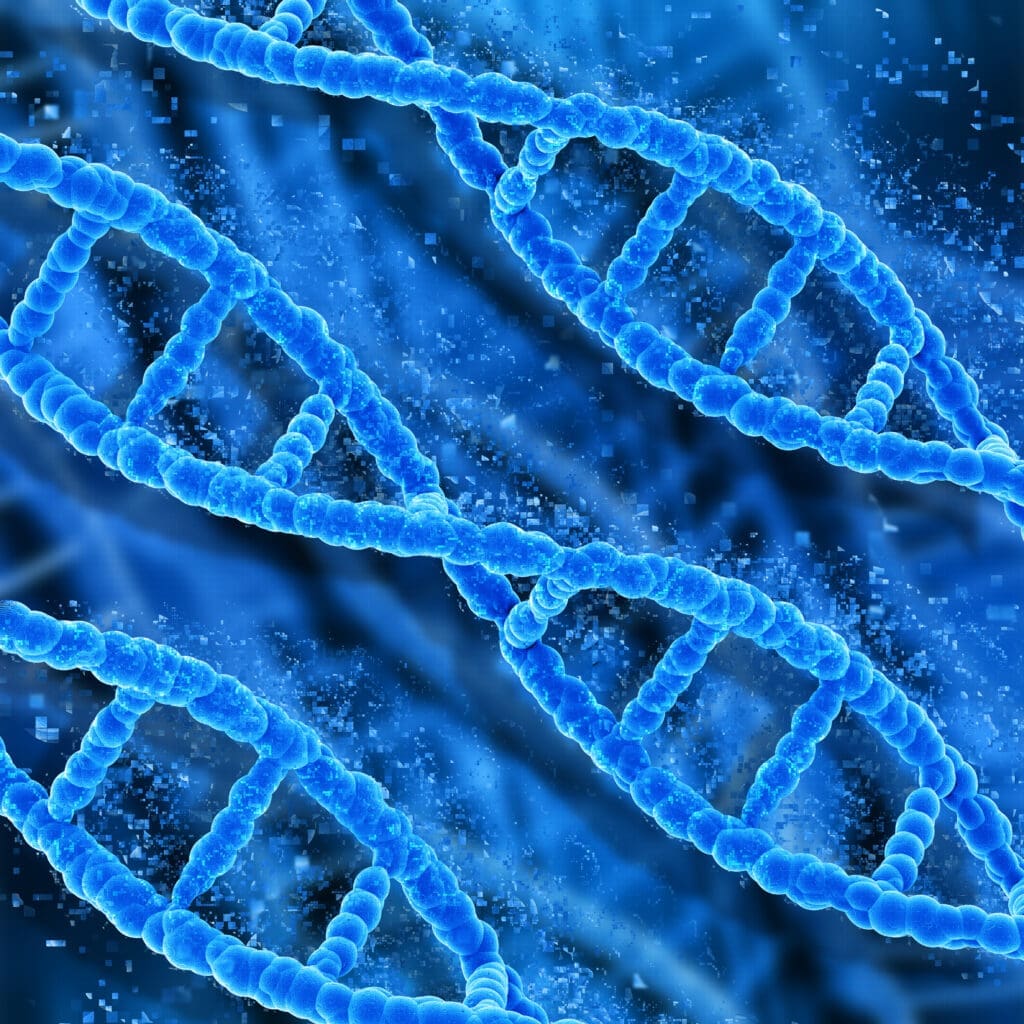
The Berlin Center for Advanced Therapies (BeCAT) focuses on the development of so-called “living” drugs based on genes, cells and tissues. The aim is to treat diseases not only symptomatically, but also causally and to restore the health of patients in the long term.
At the opening, Federal Minister Dorothee Bär (BMFTR) emphasised that the more than 31 million euros in funding from the federal government is a clear signal for the strengthening of top-level research in Germany. The centers are intended to accelerate the transfer from basic research to clinical application.
Senator for Science Dr. Ina Czyborra emphasized the interdisciplinary orientation. The buildings are deliberately designed as places of exchange in order to promote dialogue between science and society.
Both institutions are part of the growing Biotechnology and Medical Technology Campus in Berlin-Wedding and are intended to further deepen the cooperation between TU Berlin and Charité.
Read Also:
Light-Guided Cell Manipulation: New Breakthroughs in Synthetic Biology – MedLabPortal
Editor: X-Press Journalistenbüro GbR
Gender Notice. The personal designations used in this text always refer equally to female, male and diverse persons. Double/triple naming and gendered designations are used for better readability. ected.
Most read
 Wal Timmy: Environment Minister Backhaus ignored rescue technology that has been in place since 1983 The stranded humpback whale "Timmy" suffered severely for days in Mecklenburg-Western Pomerania beca...
- Wal Timmy: Germany’s problem with euthanasia EDITORIAL. Letting Timmy suffer is more due to the German lack of experience and the bureaucratic hu...
- Impending fuel shortage: “If the laboratory fails, medical care will come to a standstill in large parts” DGKL CEO Jan Wolter explains the dramatic consequences of a potential fuel shortage for laboratory m...