
DGKL board member Jan Wolter calls for comprehensive health tax instead of pure sugar tax
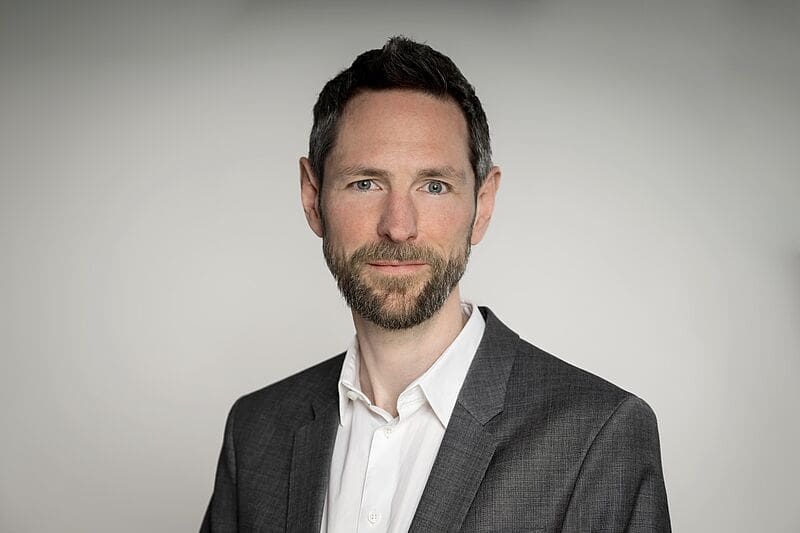
Jan Wolter, chairman of the German Society for Clinical Chemistry and Laboratory Medicine (DGKL), has called for a far-reaching health tax on high-risk food ingredients in a podcast interview with Diagnose Deutschland . Instead of stopping at a sugar tax, alcohol, tobacco, ultra-processed foods, salt and other disease-causing components should also be taxed.
Wolter sharply criticized the rejection of a sugar tax by the CDU under Chancellor Merz. He called the argument of paternalism of citizens a hollow phrase, since the state intervenes in many areas – from compulsory seat belts to smoking bans – in a regulating manner. He warned of an increasing loss of fact-based politics and saw this as a dangerous path.
The DGKL board emphasized that unhealthy nutrition in Germany is extremely cheap and healthy nutrition is expensive. In snack boxes of kindergarten and primary school children, chocolate bars and chips are more often found than fruit and vegetables. A comprehensive tax on risk ingredients should correct this price difference. At the same time, healthy food could be subsidized and made cheaper.
Wolter referred to studies according to which 1.55 million people die in Europe every year as a result of malnutrition. In Germany and Europe, this would result in enormous costs: Around a third of cardiovascular deaths are related to malnutrition, and current estimates put the environmental and health costs of malnutrition alone at almost 50 billion euros – excluding tobacco and alcohol.
The revenues from such a health tax should not flow into the state budget, but should be used to promote healthy nutrition – for example through cheaper healthy products, better school canteens or awareness campaigns. Wolter criticized the fact that profits are currently privatized, but consequential costs – from environmental pollution to antibiotic resistance to health damage – are socialized.
With regard to acceptance among the population, he explained that the decisive question was how it was asked. A direct increase in the price of unhealthy products is rejected, but a reformulation with a view to exploding health costs and relief through cheaper healthy alternatives is met with approval.
The interview was published in the first episode of the new podcast “Diagnose Deutschland” and is available in an abridged version as a NACHGEFRAGT article on MedLabPortal . The full episode is available there or in the original podcast.
Subscribe to the podcast:
https://diagnose-deutschland.podigee.io
Diagnosis Germany | Podcast on Spotify
Diagnose Deutschland – Podcast – Apple Podcasts
RSS Feed:
https://diagnose-deutschland.podigee.io/feed/mp3
Editor: X-Press Journalistenbüro GbR
Gender Notice. The personal designations used in this text always refer equally to female, male and diverse persons. Double/triple naming and gendered designations are used for better readability. ected.
Most read
 Wal Timmy: Environment Minister Backhaus ignored rescue technology that has been in place since 1983 The stranded humpback whale "Timmy" suffered severely for days in Mecklenburg-Western Pomerania beca...
- Wal Timmy: Germany’s problem with euthanasia EDITORIAL. Letting Timmy suffer is more due to the German lack of experience and the bureaucratic hu...
- Impending fuel shortage: “If the laboratory fails, medical care will come to a standstill in large parts” DGKL CEO Jan Wolter explains the dramatic consequences of a potential fuel shortage for laboratory m...