
Updated S3 guideline recommends antibody therapies in early Alzheimer’s disease
The S3 guideline “Dementia” as a living guideline of the German Society of Neurology (DGN) and the German Society of Psychiatry and Psychotherapy, Psychosomatics and Neurology (DGPPN) has been updated. It is aimed at the care of more than 1.8 million dementia patients nationwide, of whom about 450,000 are newly diagnosed every year. Alzheimer’s dementia accounts for the largest share.
The second regular update contains for the first time a proposal for the use of the anti-amyloid antibodies lecanemab and donanemab in the early stages of Alzheimer’s disease. The experts from 37 professional societies, associations, and organizations of those affected and their relatives are in favor of this treatment option by a large majority, provided that beta-amyloid pathology is confirmed.
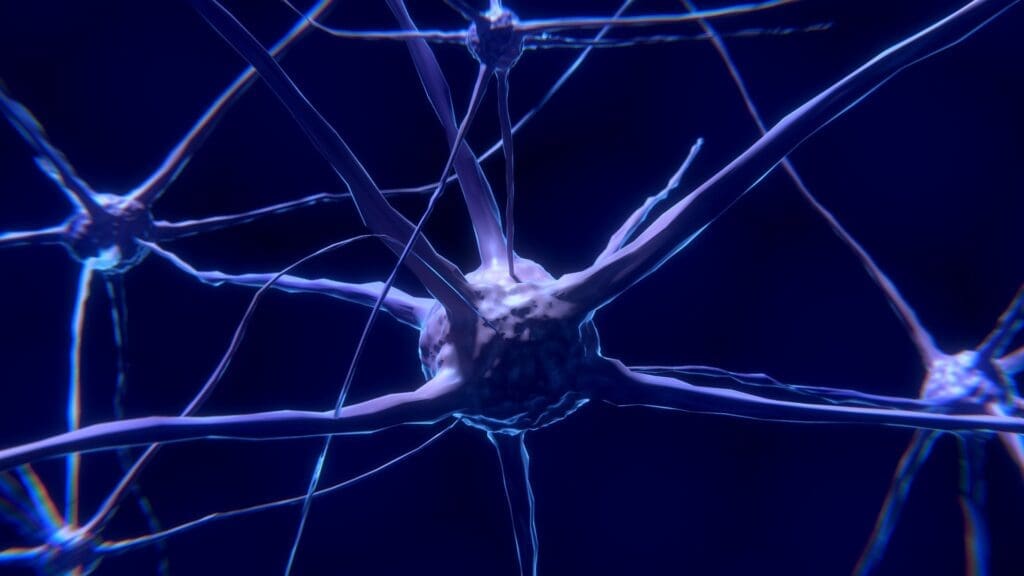
The antibodies reduce amyloid deposits in the brain, which are considered a (co-)cause of the disease, by binding to precursors of aggregates or plaques and promoting their degradation by the immune system. Studies suggest that this can slow down the progression of the disease by about 30 percent.
However, the guideline significantly limits its use: The therapy is only suitable for patients without two copies of the risk gene APOE-ε4 ; a genetic test is required in advance. Treatment must be embedded in a comprehensive medical and psychosocial plan and may only be carried out by experienced specialists in neurology or psychiatry and psychotherapy who have the ability to carry out prompt MRI diagnostics. In accordance with the guideline of the Federal Joint Committee (G-BA), it is limited to suitable centres.
In mid-February 2026, the G-BA had found no additional benefit for lecanemab and thus followed the assessment of the Institute for Quality and Efficiency in Health Care (IQWiG). The experts of the guideline criticize the fact that only subgroups were analyzed, which reduced the sample size and made existing differences no longer statistically reliably detectable. For donanemab, the final G-BA decision is still pending.
The updated guideline includes a total of 117 recommendations for the diagnosis, therapy and support of those affected and their relatives. A recommendation against the use of transcranial ultrasound pulse stimulation has also been added, as there is insufficient evidence for this.
The Living Guideline is updated annually; the next update is scheduled for 2027. It is accessible digitally via the MAGICApp platform, including direct links to underlying studies.
Further information:
• S3 Guideline on Dementia AWMF Reg. No. 038-013 | The Dementia Guideline on MAGICApp | 09.03.2026: https://app.magicapp.org/#/guideline/nYPaxL
• S3 Guideline Dementia – Living Guideline Guideline Details | The Dementia Guideline on the AWMF website | 09.03.2026: https://register.awmf.org/de/leitlinien/detail/038-013
Read Also:
New markers could detect Alzheimer’s risk at an early stage – MedLabPortal
MPI Director Calls for Cost Coverage of New Alzheimer’s Drugs – MedLabPortal
Editor: X-Press Journalistenbüro GbR
Gender Notice. The personal designations used in this text always refer equally to female, male and diverse persons. Double/triple naming and gendered designations are used for better readability. ected.
Most read
 Wal Timmy: Environment Minister Backhaus ignored rescue technology that has been in place since 1983 The stranded humpback whale "Timmy" suffered severely for days in Mecklenburg-Western Pomerania beca...
- Wal Timmy: Germany’s problem with euthanasia EDITORIAL. Letting Timmy suffer is more due to the German lack of experience and the bureaucratic hu...
- Impending fuel shortage: “If the laboratory fails, medical care will come to a standstill in large parts” DGKL CEO Jan Wolter explains the dramatic consequences of a potential fuel shortage for laboratory m...