AI-supported mini-proteins to target pancreatic cancer
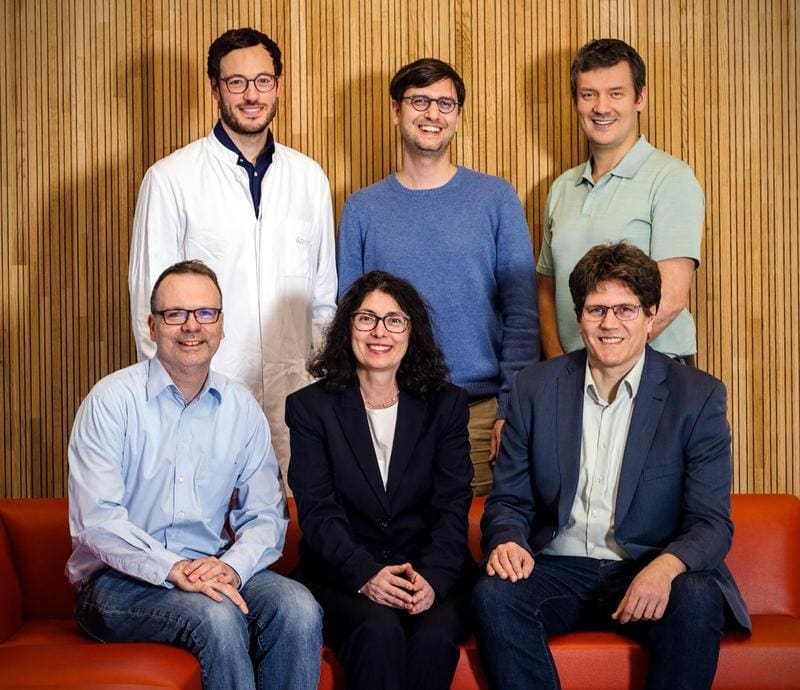
As part of its “German Pancreatic Cancer Cancer Alliance”, German Cancer Aid is funding the PrepAIred project with 1.99 million euros over four years. The aim is to develop artificially intelligent mini-proteins that are intended to specifically attack pancreatic cancer (PDAC), which is extremely resistant to therapy. The consortium is led by the University Hospital Bonn (UKB) and the University of Bonn; The cooperation partner is the University of North Carolina (USA).
Despite intensive research, pancreatic cancer remains one of the deadliest tumor diseases with a five-year survival rate of about ten percent. In Germany, the disease causes the fourth most cancer deaths – although it accounts for only four percent of all new cancer diagnoses. The main reasons for the treatment failure are the dense, poorly penetrable tumor tissue and the strong immunosuppression in the tumor microenvironment.
The interdisciplinary team of structural biologists, oncologists, surgeons, genome researchers and pathologists uses state-of-the-art AI tools for the de novo design of small, stable proteins (minibinders). These are intended to specifically recognize and bind tumor cells and overcome the tissue barrier – with the aim of reaching hard-to-reach tumor regions better than classical antibodies. Efficacy and safety are tested in patient-derived organoids and innovative 3D models without animal testing.
In the long term, such molecules could enable new imaging probes or immunotherapeutic agents. The project is an example of the use of artificial intelligence to improve cancer medicine.
The “German Pancreatic Cancer Alliance” brings together leading scientists from 23 German university locations as well as three partner universities each in the USA and the Netherlands. In addition to individual projects such as PrepAIred, German Cancer Aid is building an overarching research and coordination platform to network all pancreatic cancer researchers in Germany and strengthen them internationally.
Matching:
Editor: X-Press Journalistenbüro GbR
Gender Notice. The personal designations used in this text always refer equally to female, male and diverse persons. Double/triple naming and gendered designations are used for better readability. ected.
Most read
 Hantavirus: detection, symptoms, therapy What is hantavirus? Hantaviruses are a group of viruses that occur worldwide and are mainly transmit...
- Hantavirus: Facts instead of panic Reports of three deaths in connection with a hantavirus outbreak on the cruise ship "MV Hondius" in...
- Hantavirus: Experts at the University Medical Center Essen see low risk for the general population After several hantavirus infections and deaths occurred on the cruise ship "Hondius", a contact pers...